
Benin at a glance
Benin is a West African country stretching from the Gulf of Guinea to the Niger River basin. Porto-Novo is the constitutional capital, while Cotonou is the largest city, the principal port and the country’s economic centre. The former name Dahomey still carries deep historical resonance because the pre-colonial Kingdom of Dahomey was one of the major political powers of the region.
Geography, climate and water
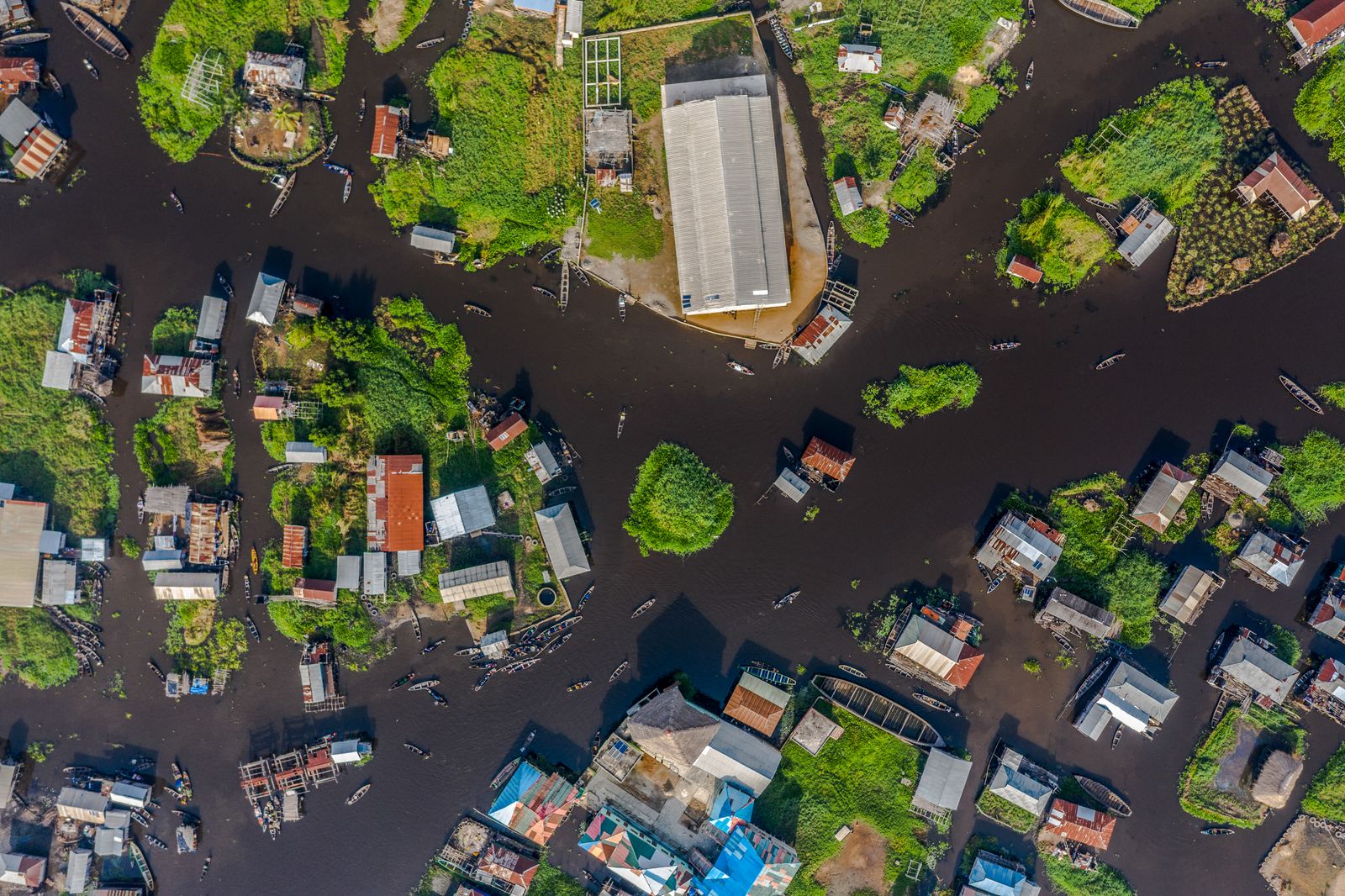
Benin forms a long north-south corridor of roughly 700 kilometres. The southern coastline is low and lagoon-rich, with Lake Nokoué and the Porto-Novo lagoon shaping settlement and commerce. Moving north, the landscape shifts through plateaus and agricultural zones toward savannas and the Atakora range in the northwest.
The south is generally hotter and more humid, while the north has a more pronounced Sudanian climate with a clearer wet and dry season. The Ouémé, Mono and Niger river systems support agriculture, fishing, transport and local ecosystems. Protected areas in the north, including the Pendjari and W complexes, are among the most significant savanna ecosystems in West Africa.
Kingdoms, Atlantic history and independence
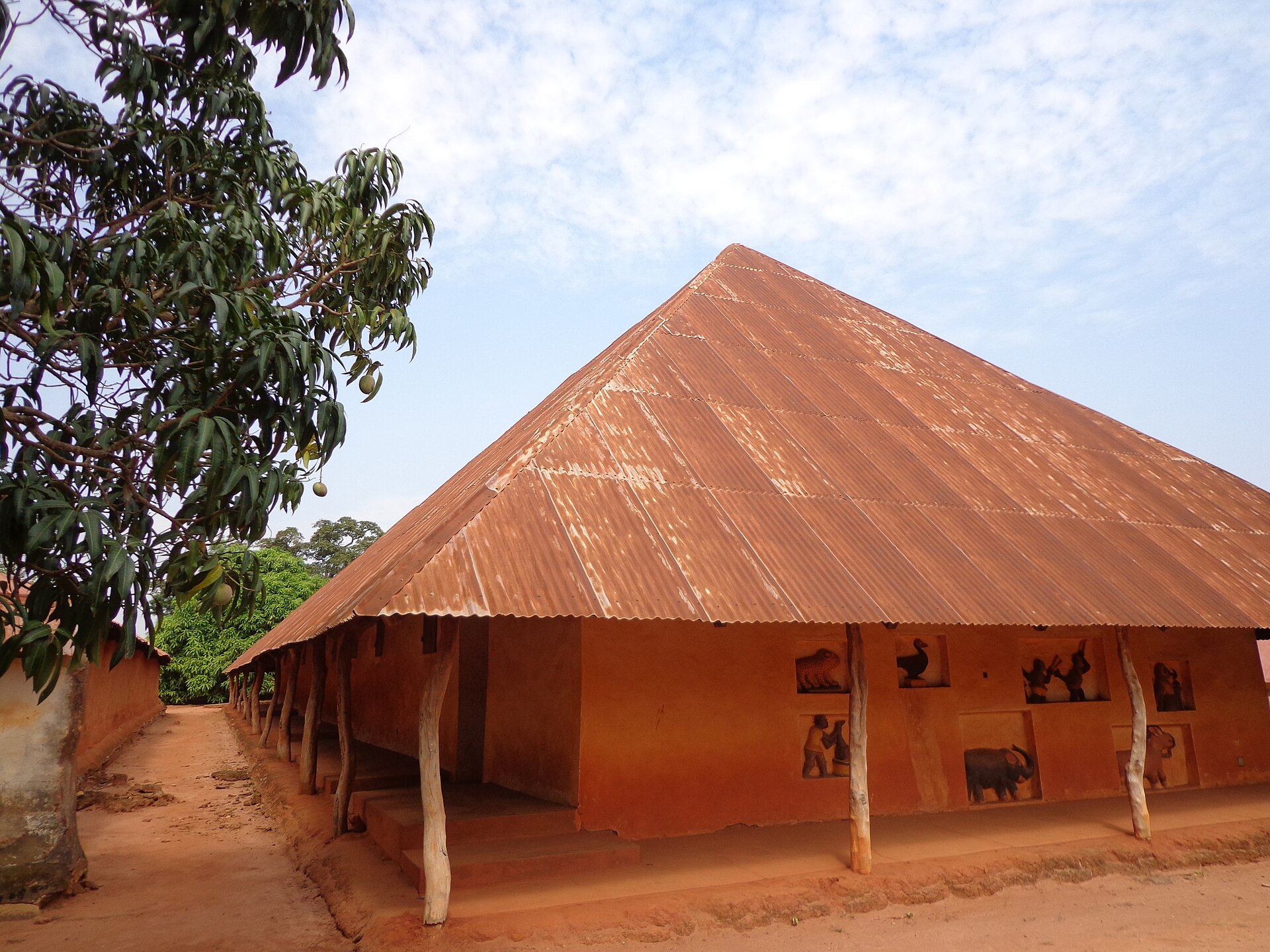
The territory of present-day Benin was shaped by multiple kingdoms and political communities. The Kingdom of Dahomey, centred on Abomey, became especially powerful and highly centralised. Porto-Novo, Yoruba communities around Kétou and Sakété, Bariba societies in the north and many other groups developed distinct political, commercial and cultural systems.
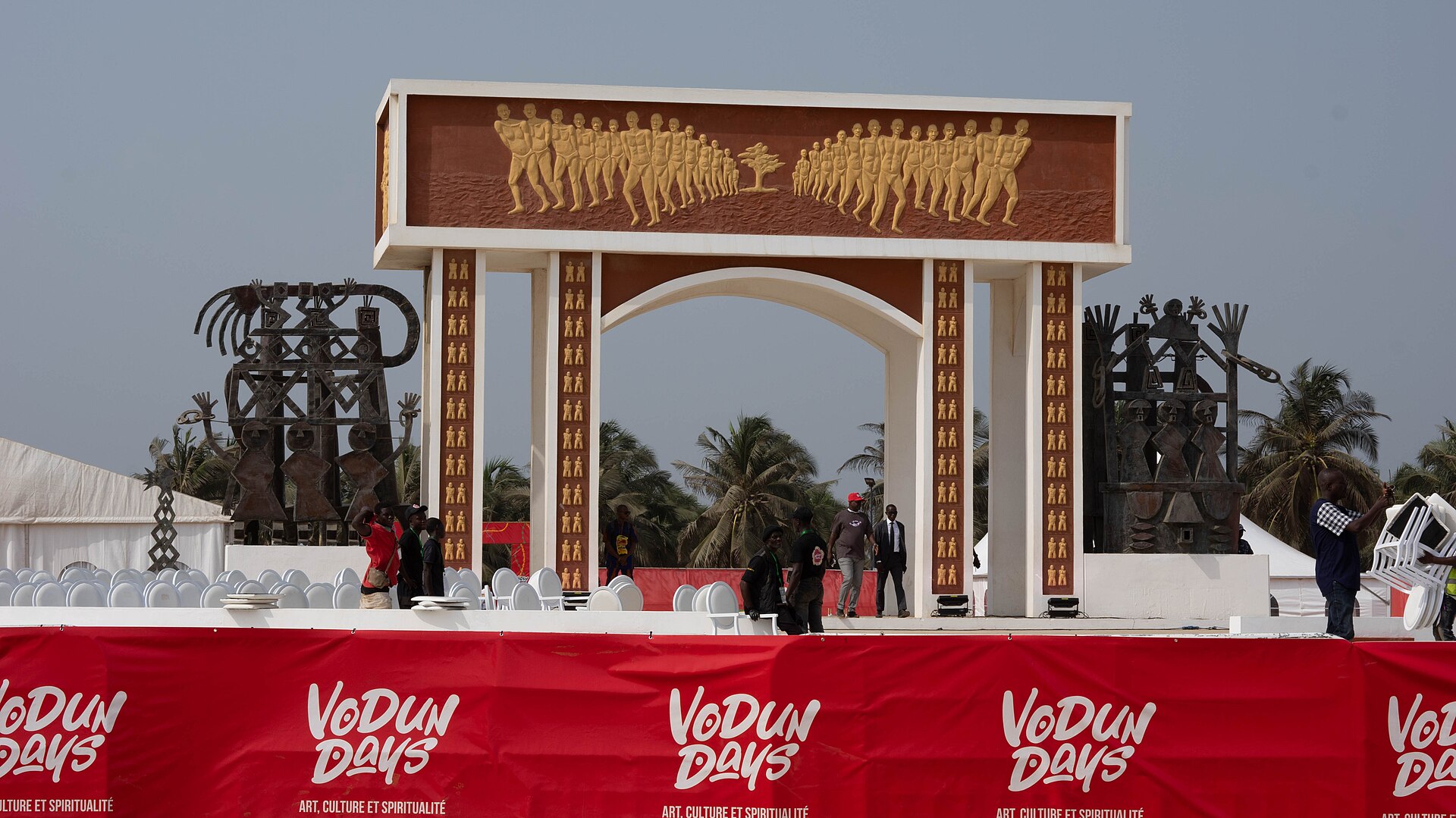
The Atlantic slave trade left a profound mark on the coast, particularly around Ouidah. French colonial rule expanded during the late nineteenth century and Dahomey became part of French West Africa. Independence came on 1 August 1960. The decades that followed included political instability, a Marxist-Leninist period and, from 1990, a transition toward a multiparty constitutional system.
People, languages and spiritual traditions
Benin is ethnically and linguistically diverse. Fon and Aja communities are prominent in the south and centre-south; Yoruba communities are especially important in the southeast; Bariba and Dendi populations are strongly represented in the north and northeast; Otamari/Somba, Fulani, Goun, Mina, Adja, Nago and other groups add to the country’s cultural depth.
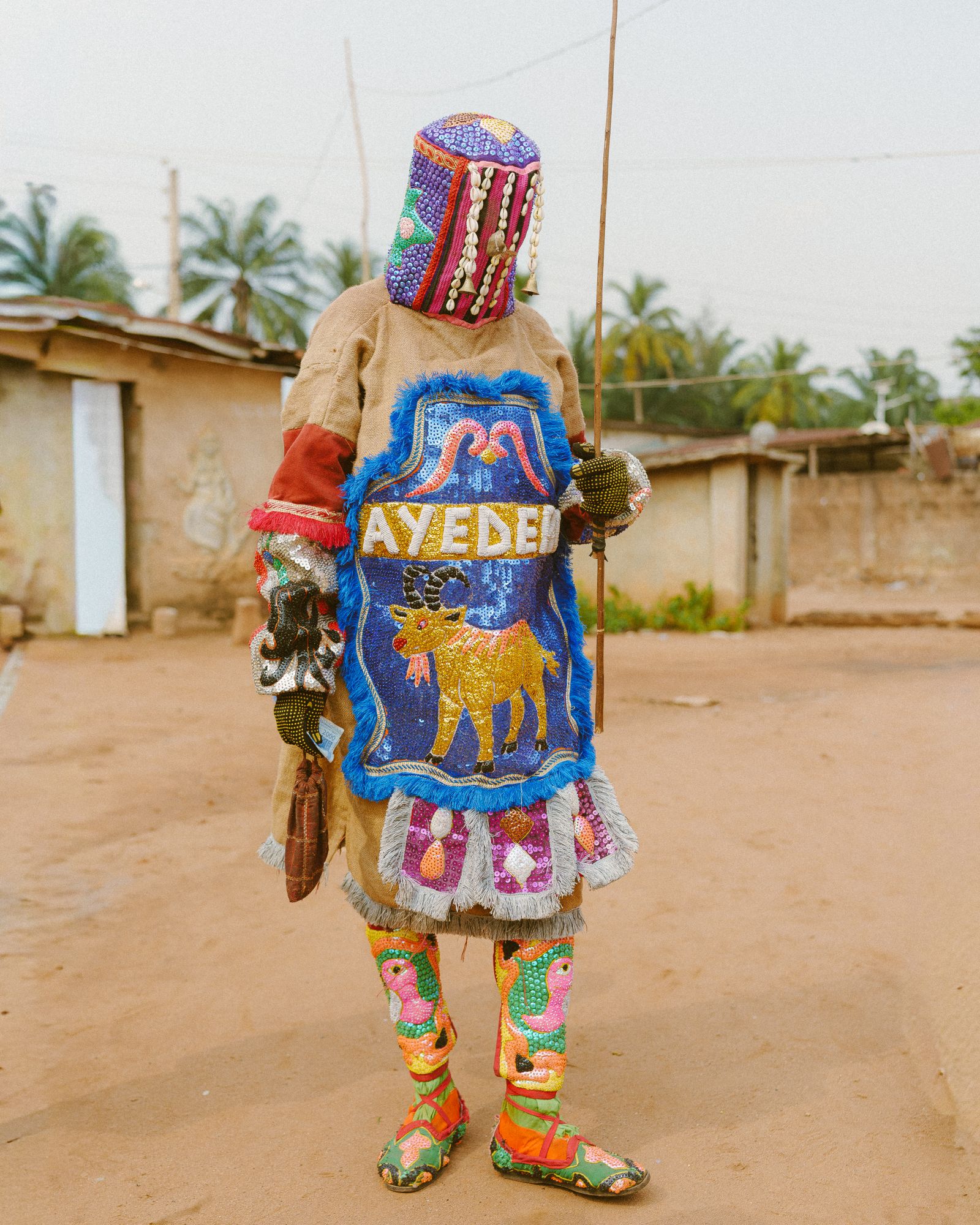
French is the official language, but Fon, Yoruba, Bariba, Dendi, Fulfulde, Adja, Goun and many other national languages structure daily life. Christianity and Islam are widely practised, while Vodun is a major religious and cultural tradition with particularly strong roots in the south. Benin officially recognises indigenous religious heritage, and Vodun ceremonies are an important part of the country’s identity.
Economy, trade and the Port of Cotonou
Benin’s economy is anchored in agriculture, commerce, transport, logistics and services. The Port of Cotonou is one of its most strategic assets, serving domestic trade and transit flows toward neighbouring countries, including Nigeria and landlocked Sahelian markets. Cotonou also concentrates finance, telecommunications, construction and a large share of formal business activity.
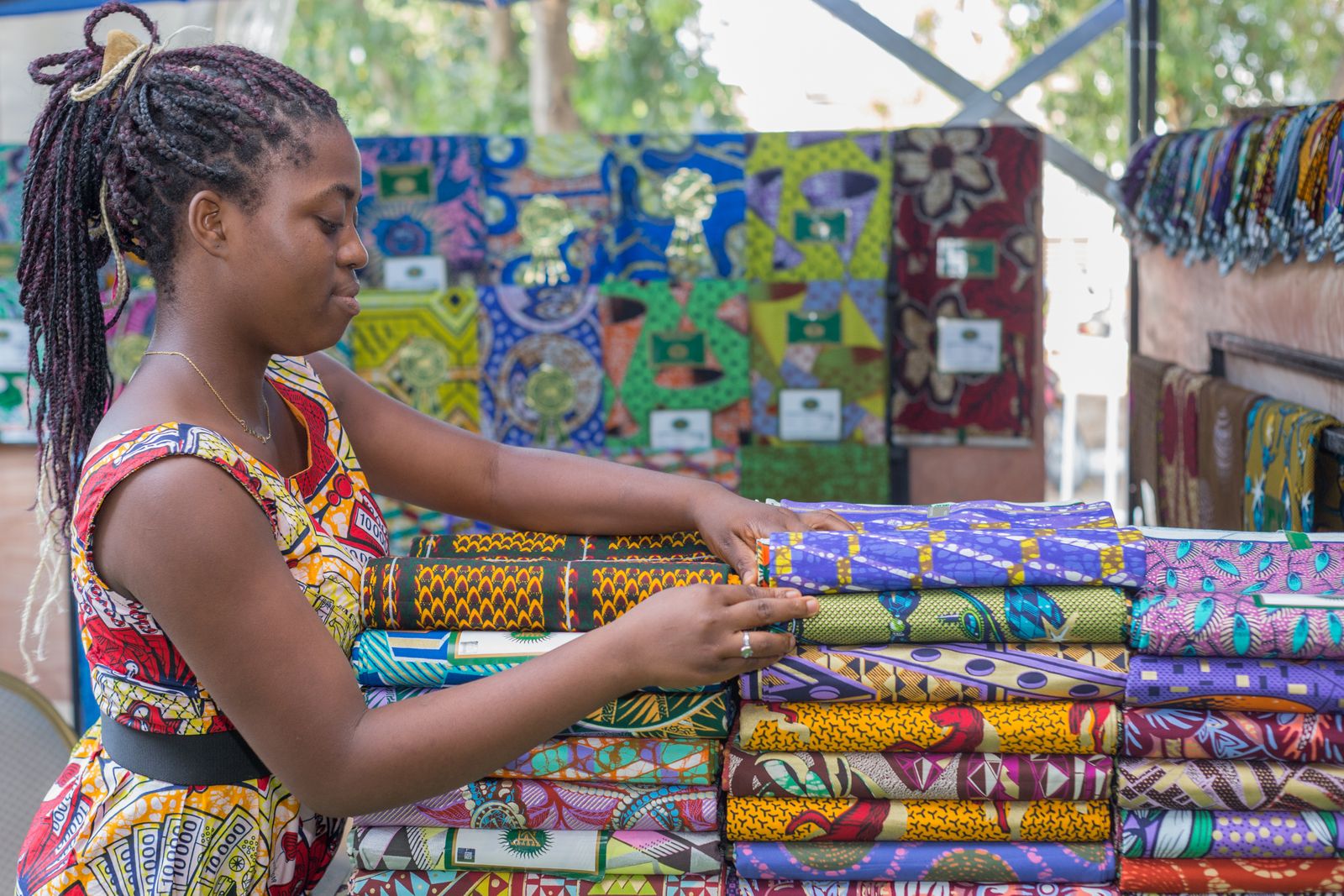
Cotton has historically been the leading agricultural export, while cashew, soy, palm oil and agro-processing are increasingly important. A central development challenge is to move from exporting raw products toward greater local processing, manufacturing and value creation.
Agriculture, food systems and natural resources
Agriculture remains fundamental to employment and rural livelihoods. Major crops include cotton, maize, cassava, yam, rice, sorghum, millet, groundnuts, oil palm, cashew, soy and shea. Production varies strongly by climate and region, and farming remains vulnerable to rainfall variability, soil degradation, deforestation, limited financing, storage constraints and transport costs.
Benin does not have the hydrocarbon scale of some of its neighbours, but its subsoil includes limestone, marble, clay, phosphate, granite and small gold resources. Energy policy increasingly focuses on electricity access, regional interconnections and renewable generation.
Cuisine
Beninese cuisine reflects Fon, Yoruba, Bariba, Fulani and other regional traditions. Maize, cassava, yam, rice, beans, tomato, chilli, palm oil, groundnuts, fish, meat and leafy vegetables appear in many meals. Popular preparations include pâte, akassa, amiwo, ablo, wagashi, atassi, moyo, pounded yam and fried plantain.
The country’s food culture is both everyday and ceremonial: markets, street food, family kitchens and religious festivals all contribute to how culinary identity is transmitted.

Cities, mobility and infrastructure
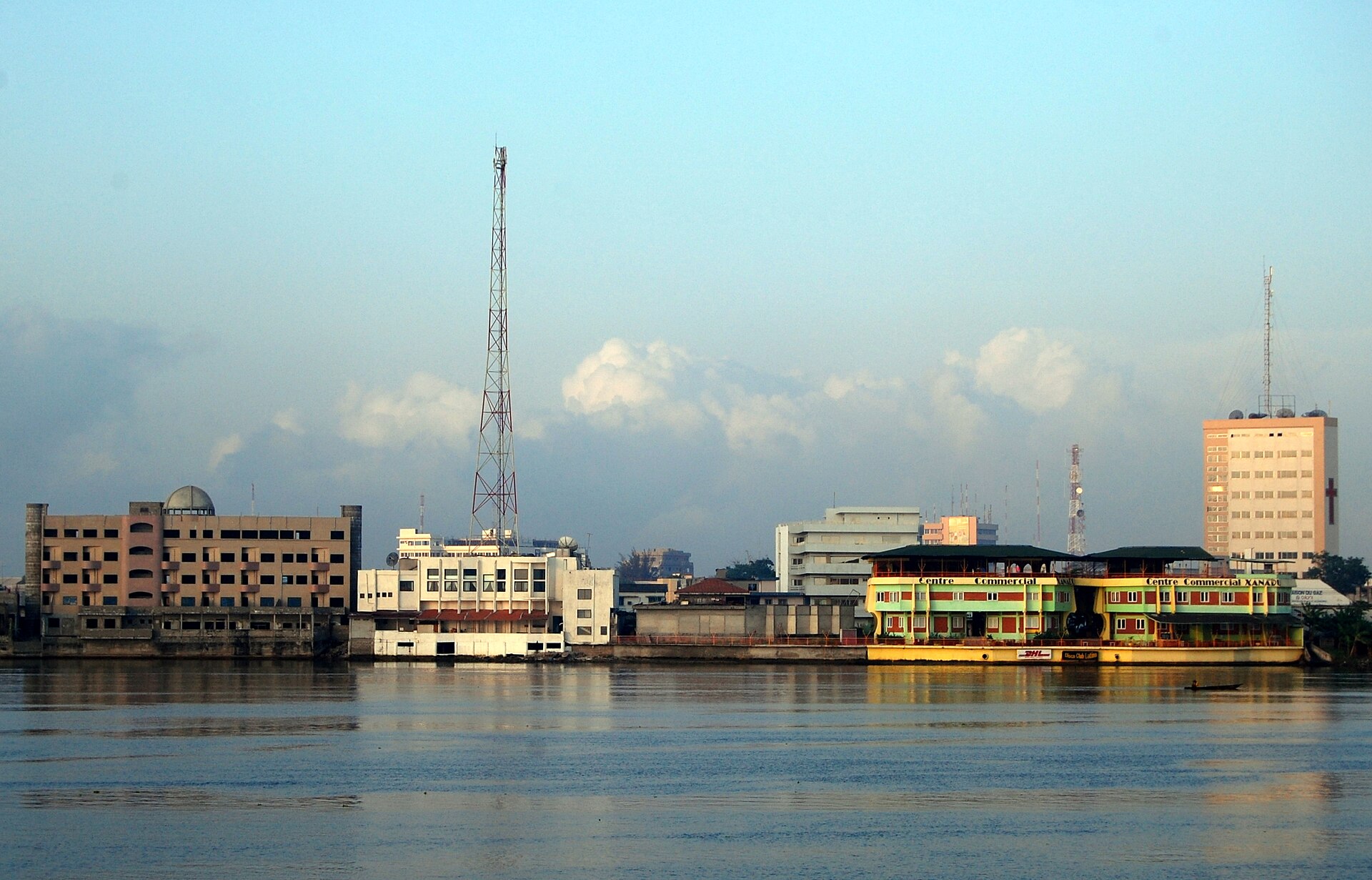
Cotonou is the country’s principal economic and transport hub. Porto-Novo remains the constitutional capital, while Abomey-Calavi has grown into a major university and residential centre within the broader Cotonou metropolitan area. Parakou is an important northern commercial node, and Abomey, Ouidah, Natitingou, Bohicon, Lokossa and Kandi each play distinctive regional roles.
Strategic infrastructure includes the port, the international airport, north-south road corridors and telecommunications networks. Urban mobility, drainage, coastal erosion, electricity reliability and climate resilience remain important development issues.
Culture and heritage
Benin has an unusually rich concentration of royal, religious and memorial heritage. The Royal Palaces of Abomey are internationally recognised, while Ouidah is central to the memory of the Atlantic slave trade and to Vodun history. Music, dance, textiles, masks, oral traditions, sculpture and contemporary art connect historical identity with a highly active cultural scene.
Education, health and regional connections
Benin’s education system includes public and private schools, universities and vocational institutions, especially around Cotonou, Abomey-Calavi, Porto-Novo and Parakou. Access and quality remain uneven between urban and rural areas. Health priorities include malaria, maternal and child health, infectious disease, nutrition, clean water and medical infrastructure outside major cities.
Relations with Nigeria are especially important. Trade, mobility and cultural ties cross a highly active border, and Nigerian policy decisions can have immediate effects on Beninese commerce. Benin also functions as a transit country for several landlocked neighbours through the Port of Cotonou.

Benin in pictures
