Bosnia and Herzegovina at a glance
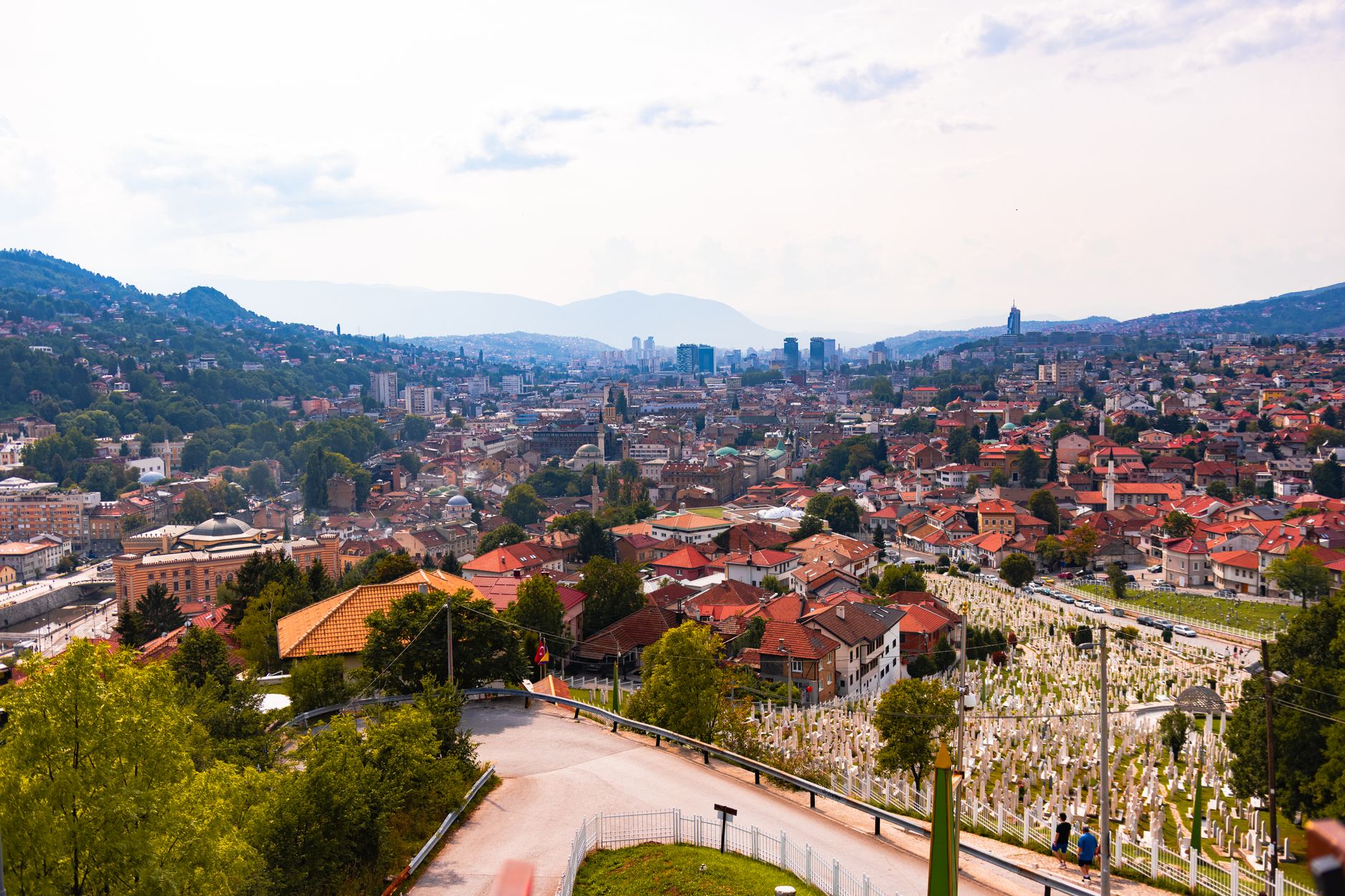
Bosnia and Herzegovina is a mountainous Western Balkan country whose present constitutional structure was created by the 1995 Dayton Peace Agreement. Sarajevo is the capital and largest city. The country combines Dinaric landscapes, Ottoman and Austro-Hungarian urban heritage, a short Adriatic coastline and a complex social fabric shaped by Bosniak, Serb and Croat communities.
Dinaric mountains, rivers and Adriatic access
Much of Bosnia and Herzegovina is mountainous and crossed by the Dinaric Alps. The north opens toward the Sava plain and is more agricultural, central regions include Sarajevo and Zenica, while Herzegovina in the south has stronger Mediterranean influences around Mostar and the Neretva valley.
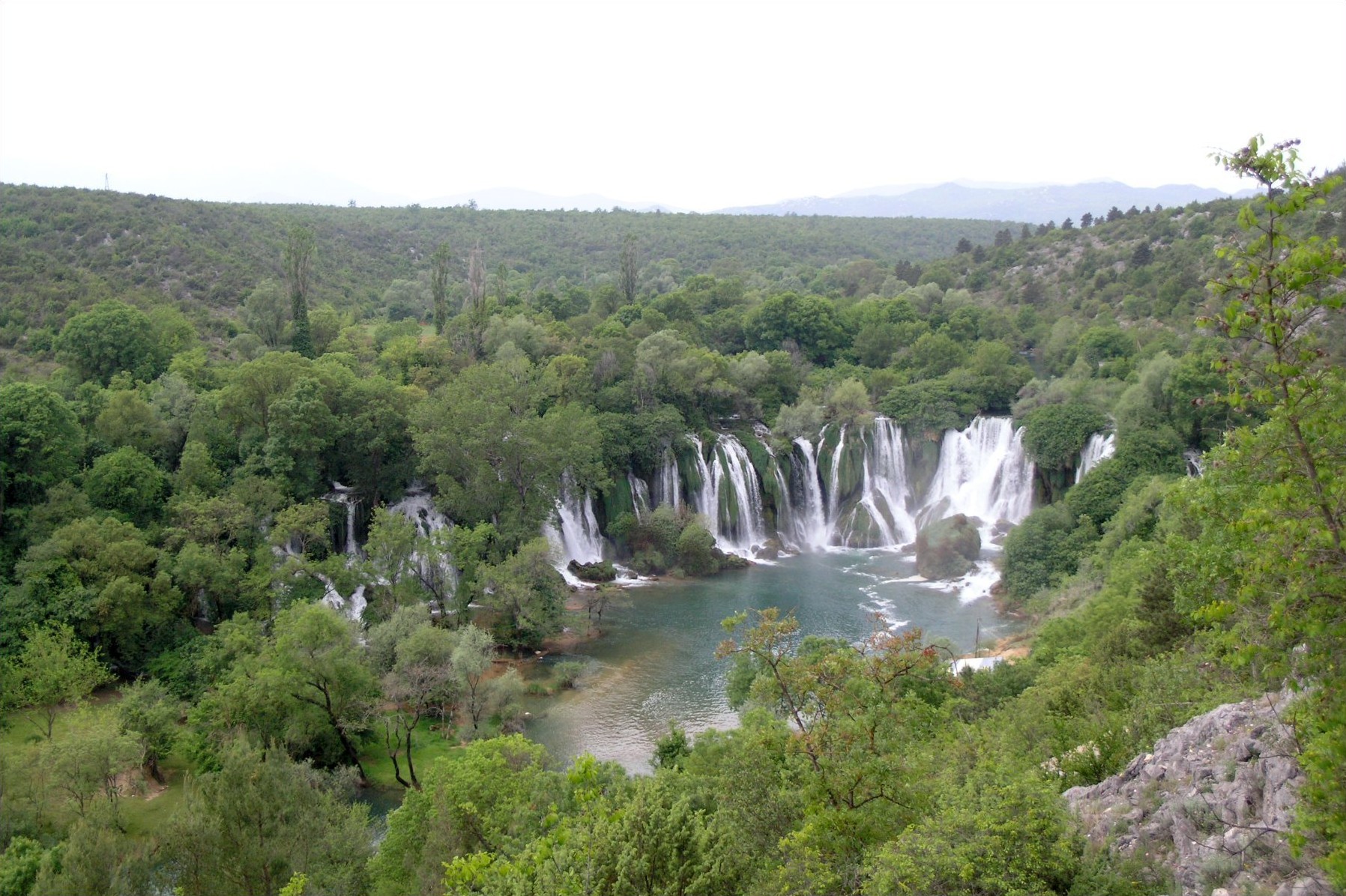
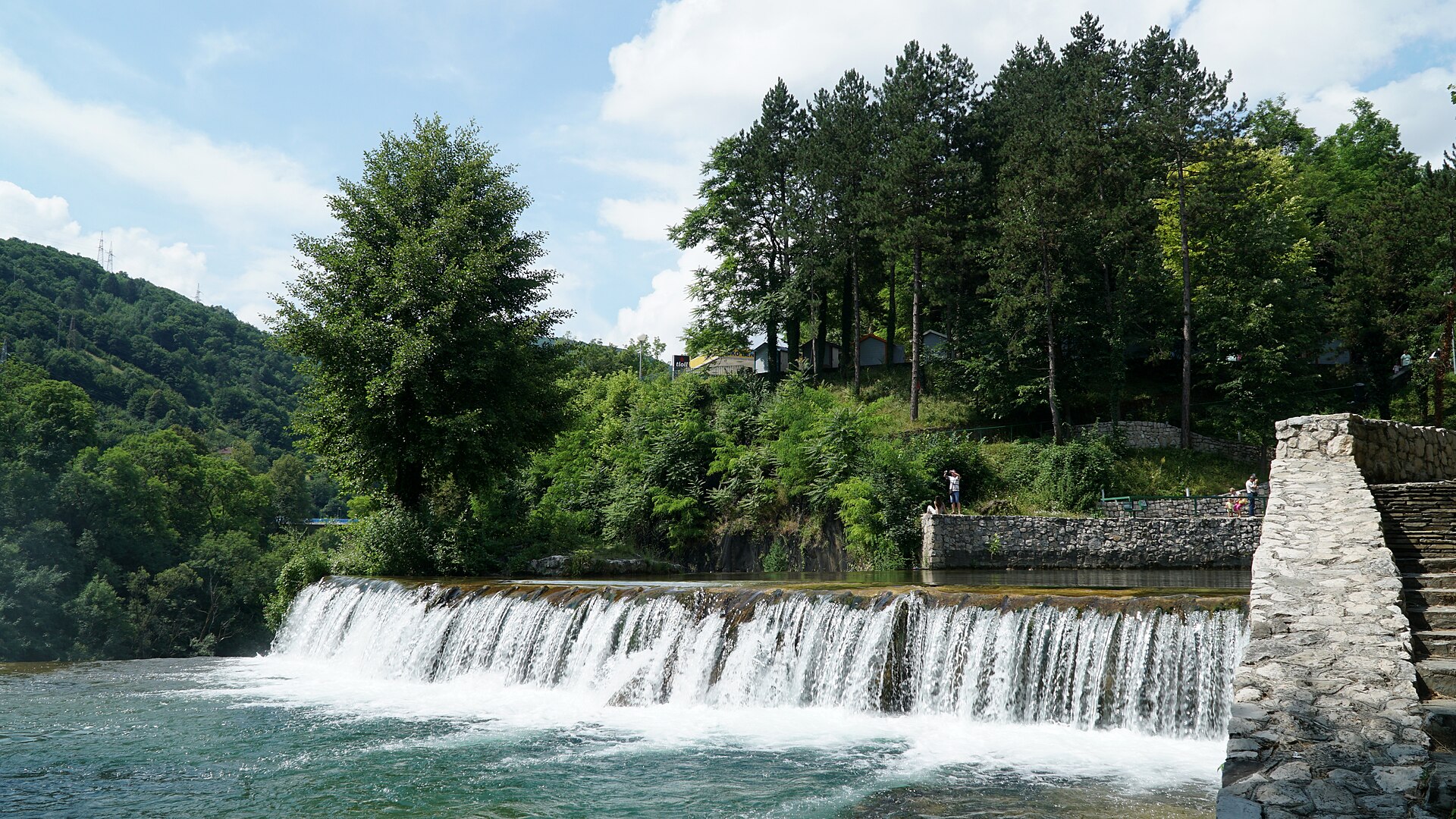
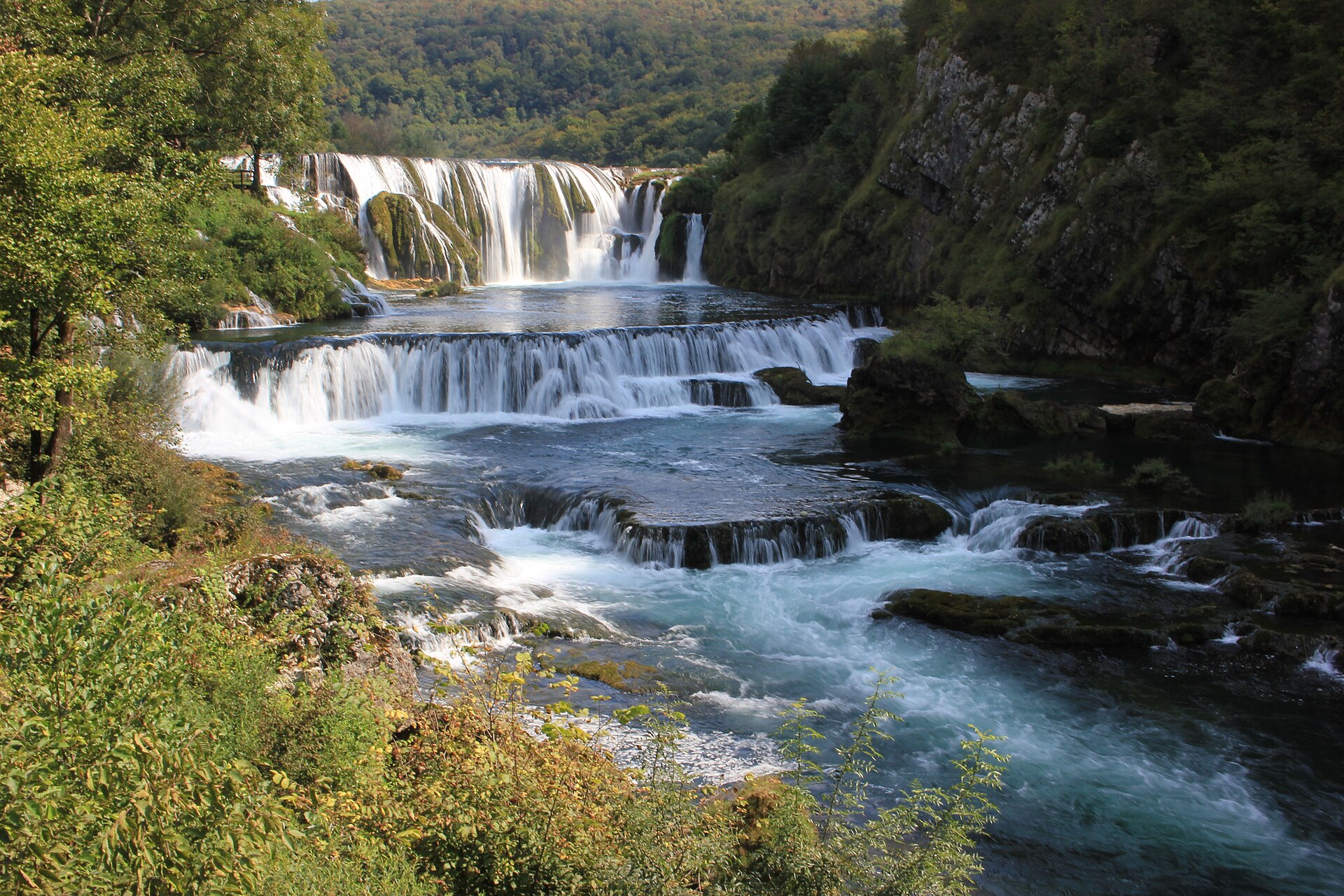
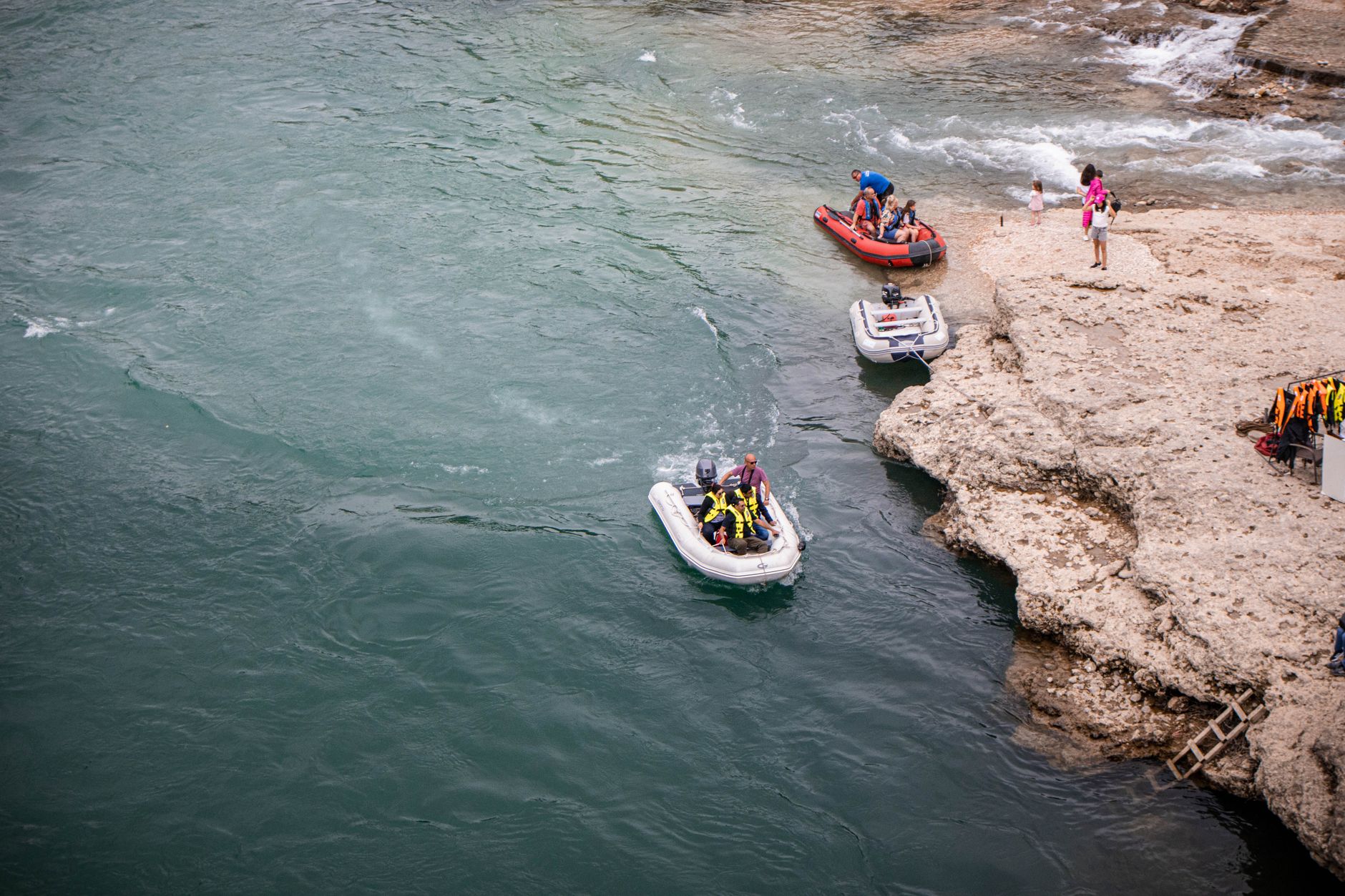
Major rivers include the Sava, Bosna, Neretva, Drina, Vrbas and Una. Karst landscapes, canyons, forests and waterfalls make the country rich in freshwater and outdoor tourism potential. The narrow Adriatic outlet at Neum gives Bosnia and Herzegovina a direct, if limited, maritime connection.
Medieval Bosnia, Ottoman rule and Habsburg transformation
The territory was inhabited from prehistoric times and later incorporated into the Roman world. In the medieval period, the Banate of Bosnia existed from the twelfth century before becoming an independent kingdom in 1377.
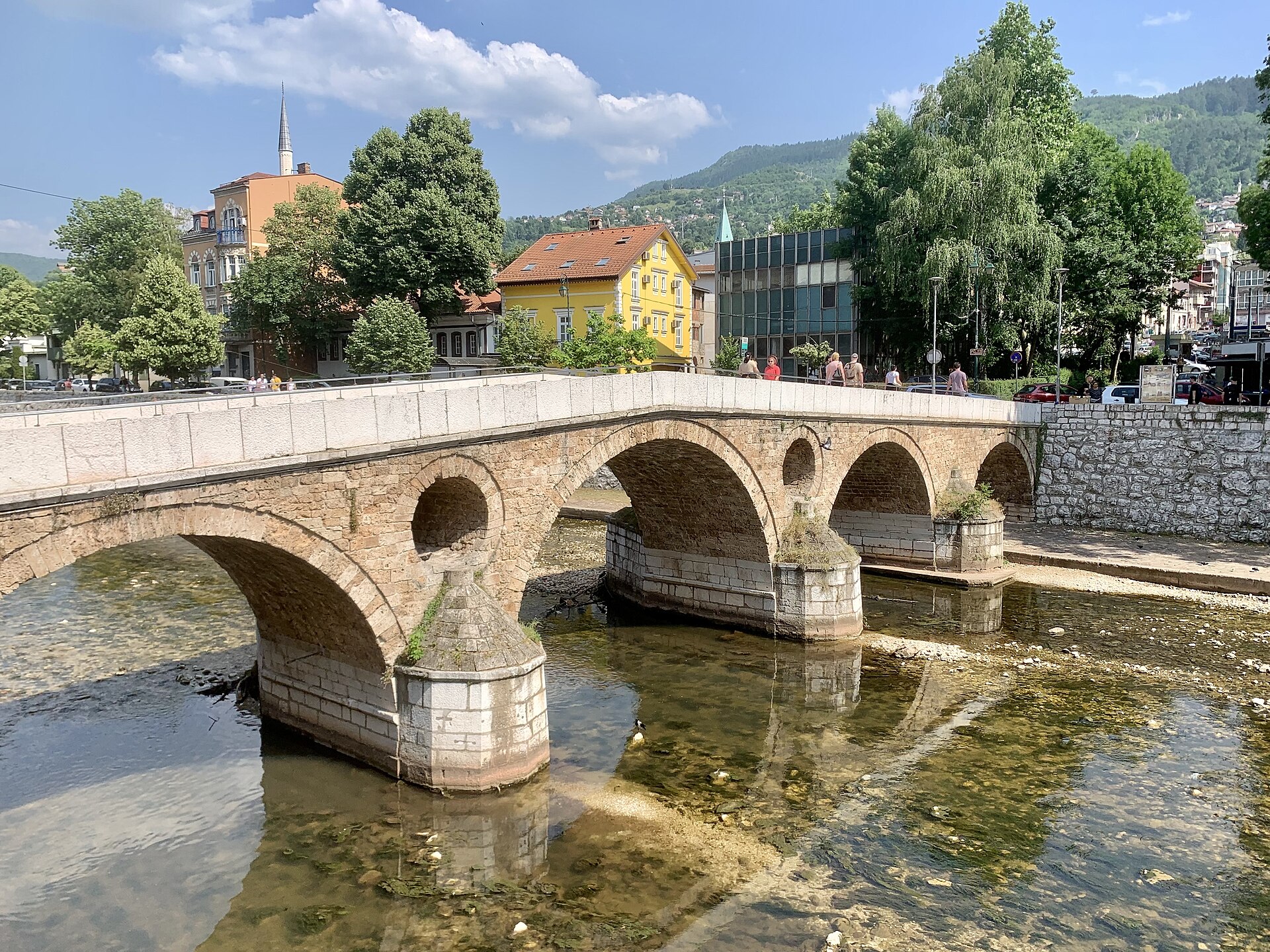
Ottoman rule began in the fifteenth century and lasted for centuries, transforming cities, architecture, religion and trade. In 1878, Austria-Hungary took over administration and formally annexed the territory in 1908. Sarajevo later became the site of the 1914 assassination of Archduke Franz Ferdinand, the immediate trigger of the First World War.
Yugoslavia, war and the Dayton framework
After 1918, Bosnia and Herzegovina became part of the Kingdom of Serbs, Croats and Slovenes and later Yugoslavia. After the Second World War, it was one of the republics of socialist Yugoslavia.
The breakup of Yugoslavia led to the 1992–1995 war, marked by sieges, mass displacement, war crimes and the 1995 genocide at Srebrenica. The Dayton Peace Agreement ended the war and created the present constitutional architecture: the Federation of Bosnia and Herzegovina, Republika Srpska and the Brčko District, together with shared state institutions.
People, languages and religions
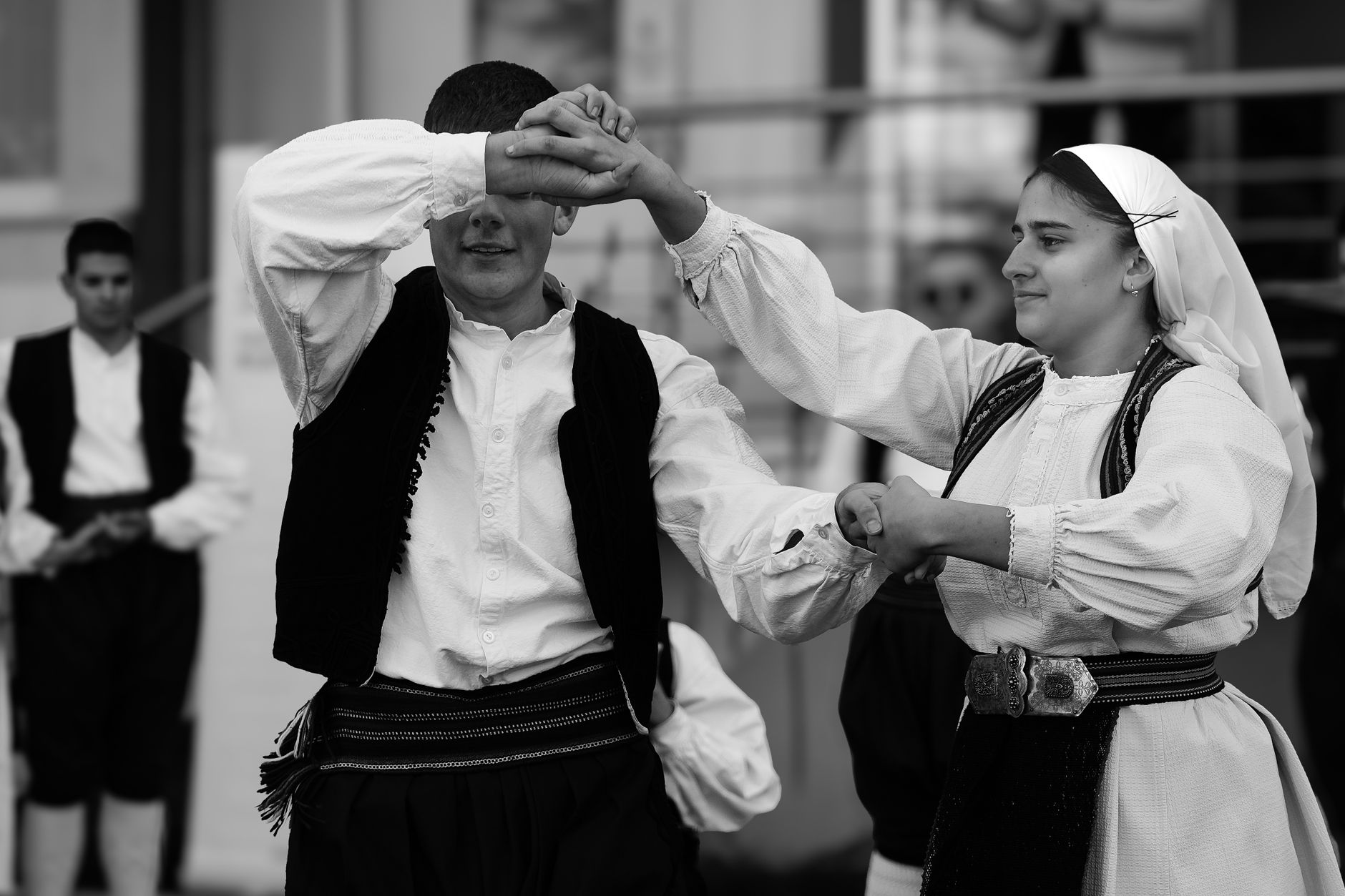
Bosnia and Herzegovina recognises Bosniaks, Serbs and Croats as constituent peoples. Bosniaks are predominantly Muslim, Serbs predominantly Orthodox Christian and Croats predominantly Catholic. These identities remain highly visible in institutions, education, religious architecture and political organisation.
Bosnian, Serbian and Croatian are the three official languages. They are highly mutually intelligible but carry distinct political and symbolic identities. The population has declined significantly because of emigration, ageing and low birth rates.
Economy, industry and diaspora links
The economy combines industry, agriculture, services, tourism and diaspora remittances. Important sectors include metallurgy, mechanical engineering, automotive components, energy, agrifood, commerce and tourism.
Hydroelectric power and coal remain important parts of the energy system. The country’s industrial heritage and geographic position offer potential, but institutional fragmentation, slow structural reform and labour emigration constrain investment and productivity.
Tourism, Mostar and natural heritage
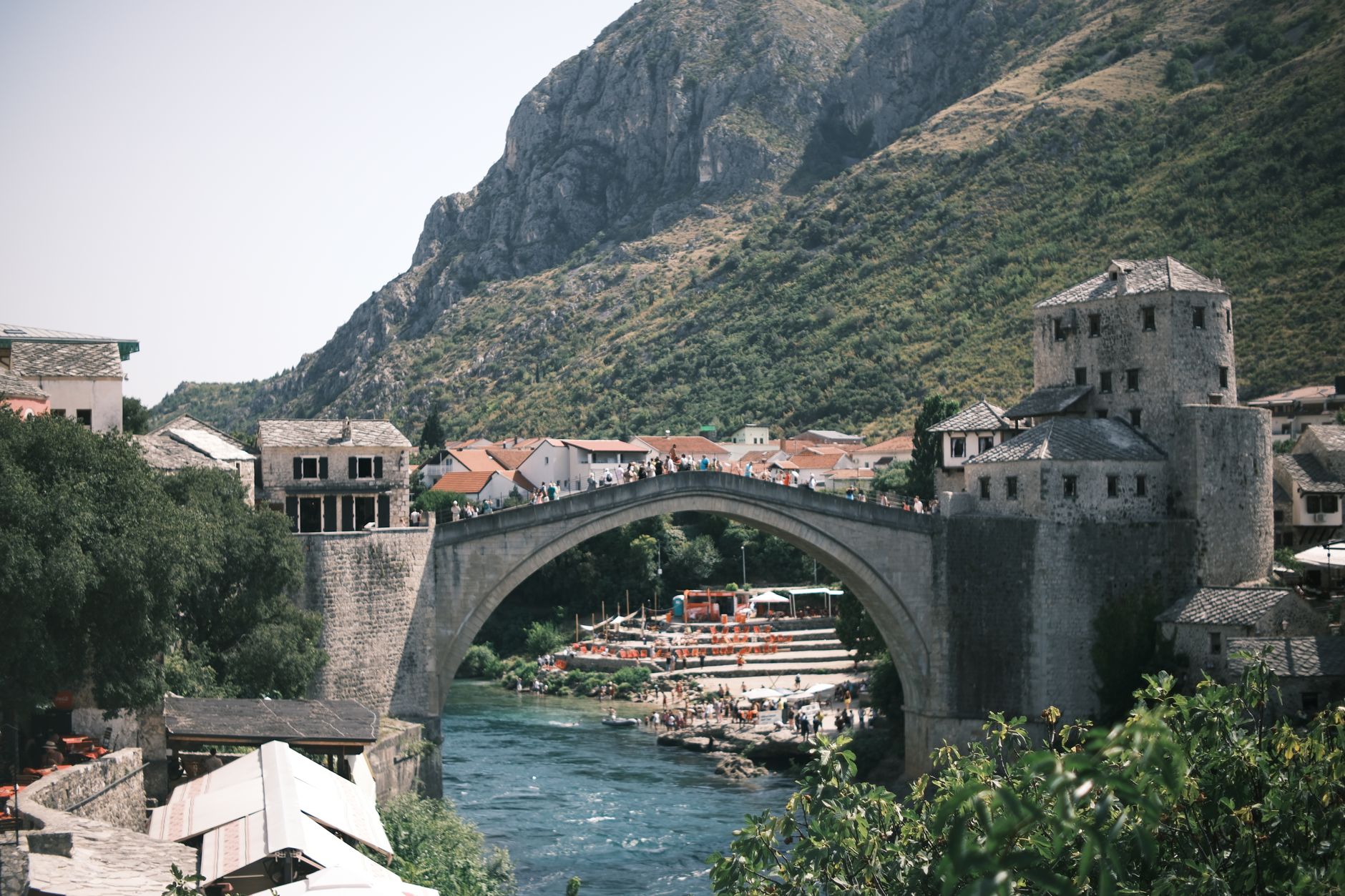
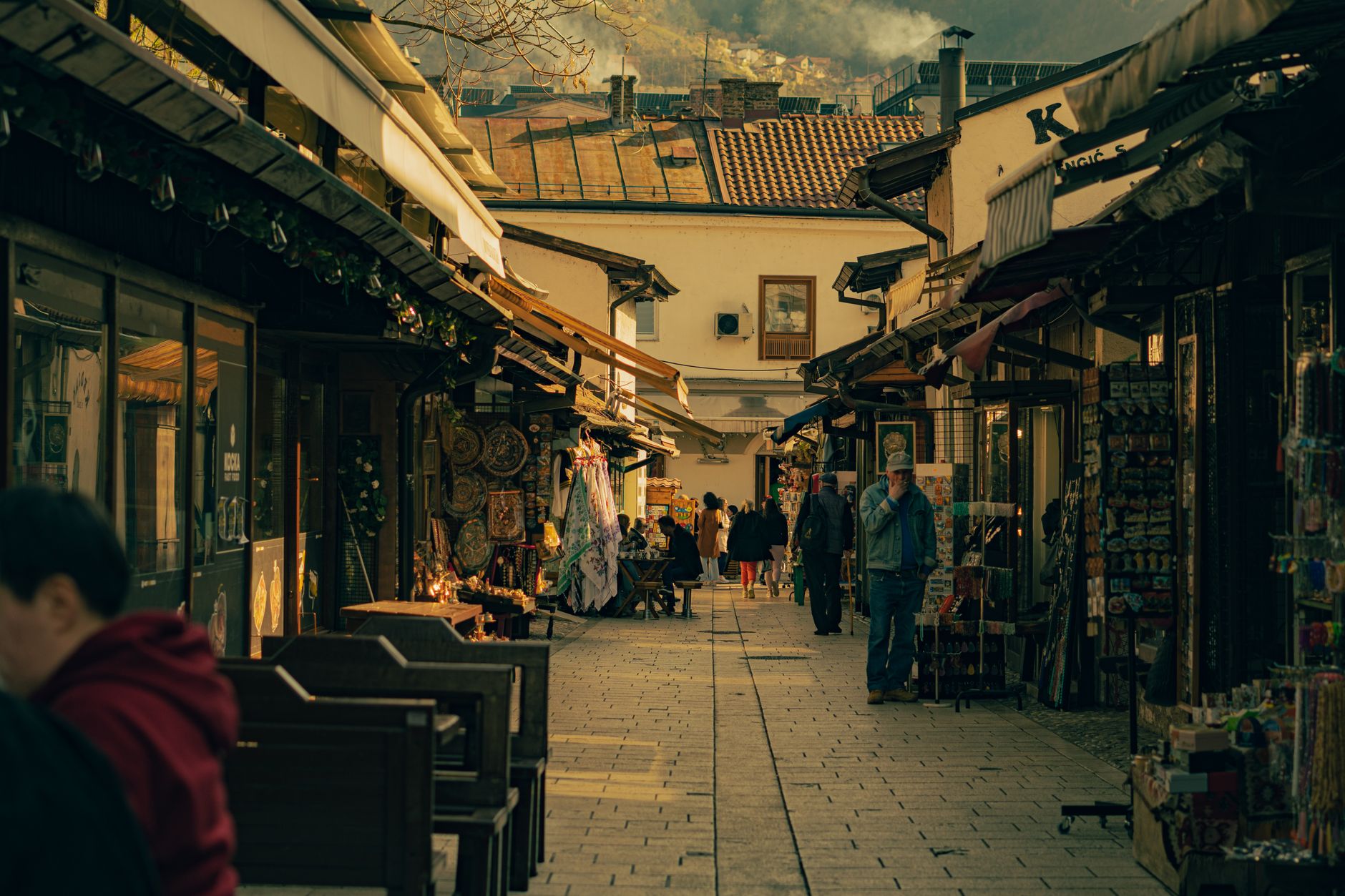
Tourism is built around mountains, rivers, winter sports and historic cities including Sarajevo, Mostar and Višegrad. Stari Most in Mostar, rebuilt after its destruction during the war, is one of the country’s most recognisable landmarks and a major symbol of architectural heritage.
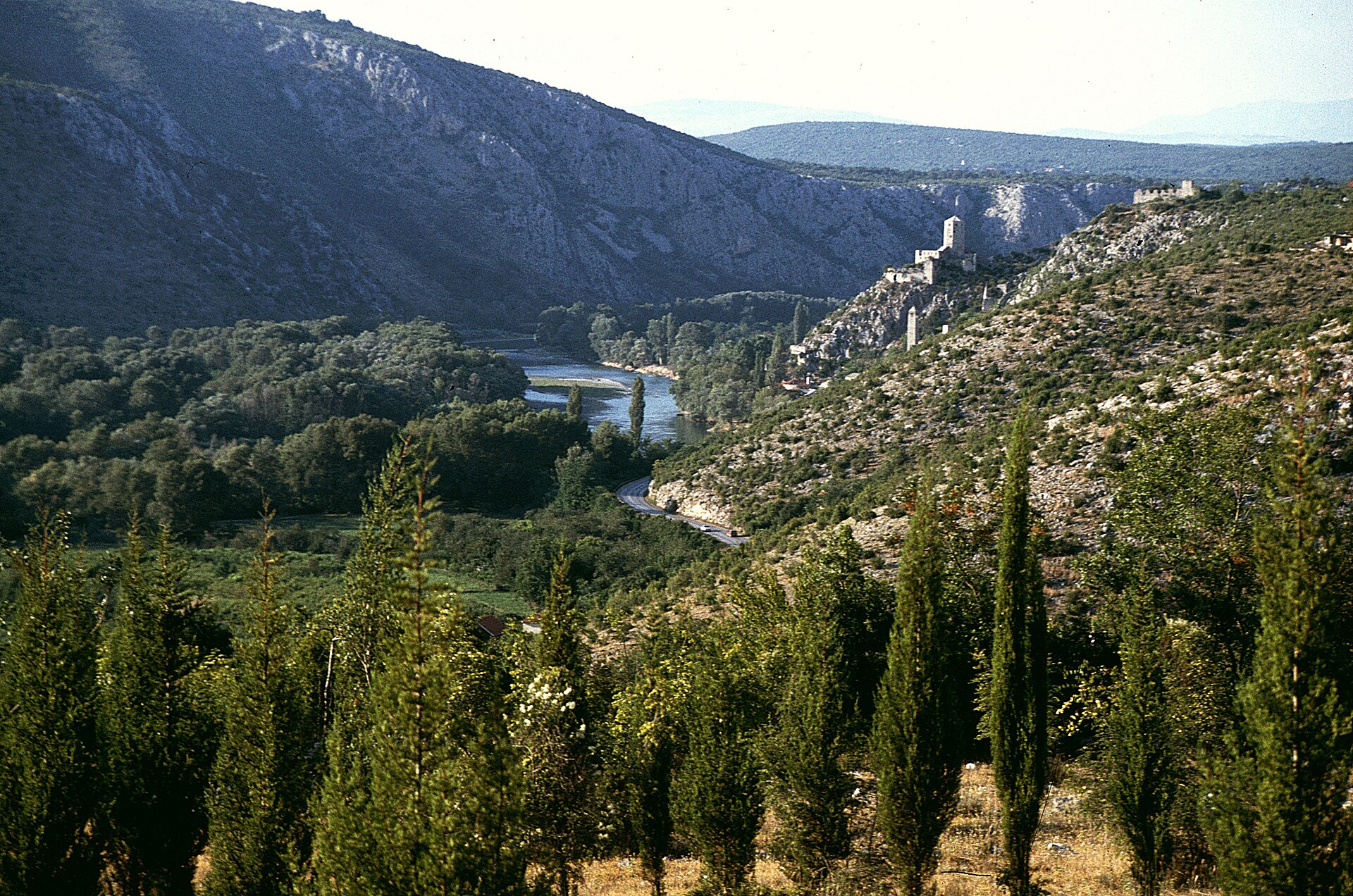
The Neretva valley, the Una River, mountain regions and historic settlements such as Počitelj add strong nature and cultural-tourism potential.
Sarajevo, Mostar and regional cities
Sarajevo is the political, cultural and university centre, with an urban identity shaped by Ottoman, Austro-Hungarian and Yugoslav periods. Mostar is the principal cultural and tourism centre of Herzegovina. Banja Luka is the main administrative and economic centre of Republika Srpska, while Tuzla and Zenica remain important industrial cities.
Road, rail and regional transport connections need continued investment to strengthen internal integration and links to European markets.
Education, health and the European path
Bosnia and Herzegovina has relatively high literacy and a substantial education tradition, but the education system remains fragmented across entities and curricula. Health services retain institutional strengths from the Yugoslav period but face workforce emigration, ageing and regional disparities.
The country is a candidate for European Union membership.
Bosnia and Herzegovina in pictures