
Côte d’Ivoire at a glance
Côte d’Ivoire is one of West Africa’s largest economic centres, combining world-leading cocoa production, strong services, major ports, expanding energy and mining activity and a highly dynamic metropolitan economy centred on Abidjan. Yamoussoukro is the political and administrative capital; Abidjan is the largest city and the economic engine.

Geography, climate and ecosystems
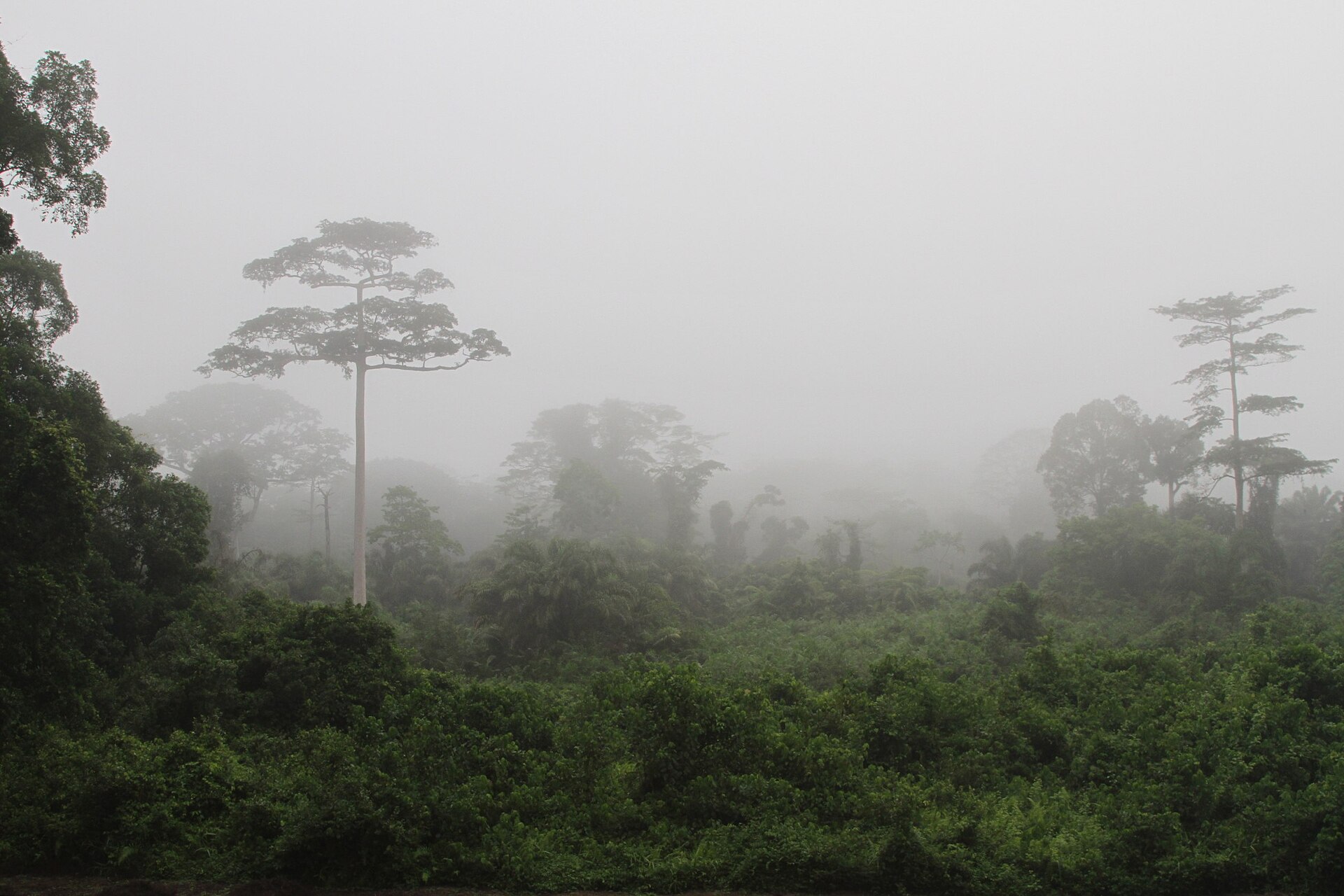
The country extends from the Atlantic coast and lagoon systems of the south to the drier savannas of the north. The south and southwest are more humid and historically forested; central regions form a transition zone; northern regions around Korhogo and Ferkessédougou are more strongly Sudanian.
Major rivers include the Cavally, Sassandra, Bandama and Comoé. Taï National Park protects one of the most important remaining tropical forest systems in West Africa, while Comoé National Park preserves large savanna ecosystems. Deforestation, agricultural expansion, mining and climate variability are major environmental pressures.
Kingdoms, colonial rule and independence
Before colonisation, the territory included the Kong kingdom in the north, Baoulé political formations in the centre, Agni and Abron kingdoms in the east, the Sanwi kingdom in the southeast and numerous Sénoufo, Bété, Dan, Wê and other societies. Akan, Manding, Gur and forest-region migrations shaped settlement and trade.
France formally created the colony of Côte d’Ivoire in 1893. Independence came on 7 August 1960. The early post-independence economy grew rapidly around cocoa, coffee, infrastructure and foreign investment, a period often described as the “Ivorian miracle.” Later economic and political crises reshaped the country, while the 2010s brought a major reconstruction of infrastructure and state capacity.

People, languages and religions
Côte d’Ivoire is one of the region’s most diverse societies. Akan groups include Baoulé, Agni, Abron and Attié communities; Krou peoples include Bété, Dida and Wê; Mandé communities include Malinké/Dioula, Dan and Gouro; northern Gur-speaking populations include Sénoufo, Lobi, Koulango and Tagbana communities.
French is the official language, while Dioula is widely used as a commercial lingua franca. Dozens of national languages remain central to family, culture and local media. Islam and Christianity both have large followings, alongside indigenous religious traditions.
Abidjan: infrastructure, finance and logistics
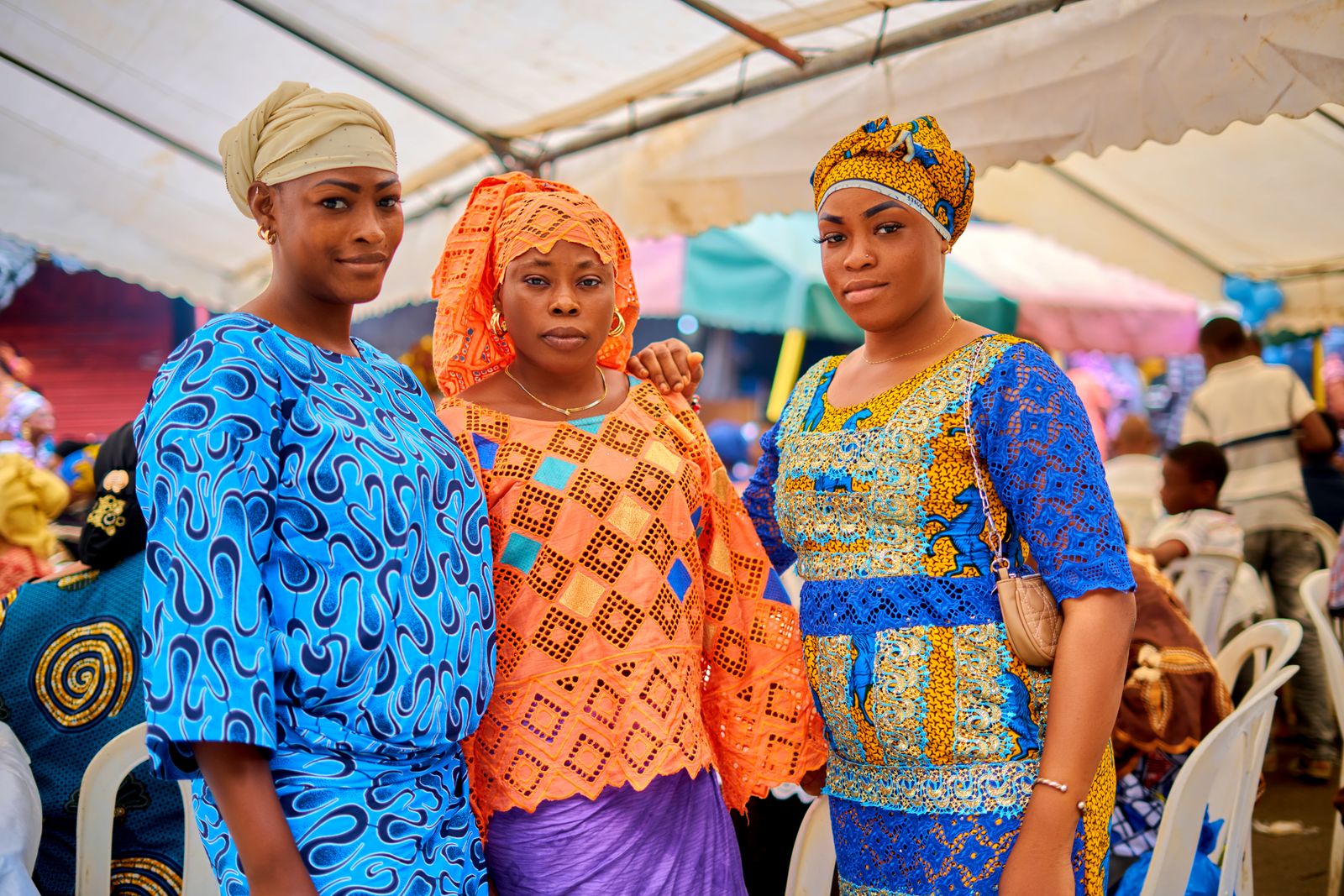
Abidjan is a regional business centre built around the Ébrié Lagoon. It concentrates company headquarters, banking, telecommunications, universities, industry, culture and one of West Africa’s principal ports. Modern bridges, expressways and large infrastructure projects have transformed parts of the metropolitan landscape.
San Pedro is another strategic port, particularly for agricultural and mineral exports. Road, rail, energy and digital networks connect the country to Burkina Faso, Mali and other inland markets.

Cocoa, agriculture and agro-industry
Côte d’Ivoire is the world’s leading cocoa producer, making cocoa central to exports, rural incomes and international chocolate supply chains. The country also produces cashew, coffee, natural rubber, palm oil, cotton, bananas and pineapples.
A major strategic objective is to process more agricultural output domestically instead of exporting raw commodities. Producer income, traceability, deforestation and labour conditions remain important challenges for the cocoa sector.
Energy, oil, gas and minerals
Offshore oil and gas discoveries have increased the importance of hydrocarbons. The country also produces gold and has deposits of manganese, nickel, iron, diamonds, copper and construction materials. Côte d’Ivoire’s electricity system is comparatively developed within the region and contributes to cross-border power trade.
Culture and heritage
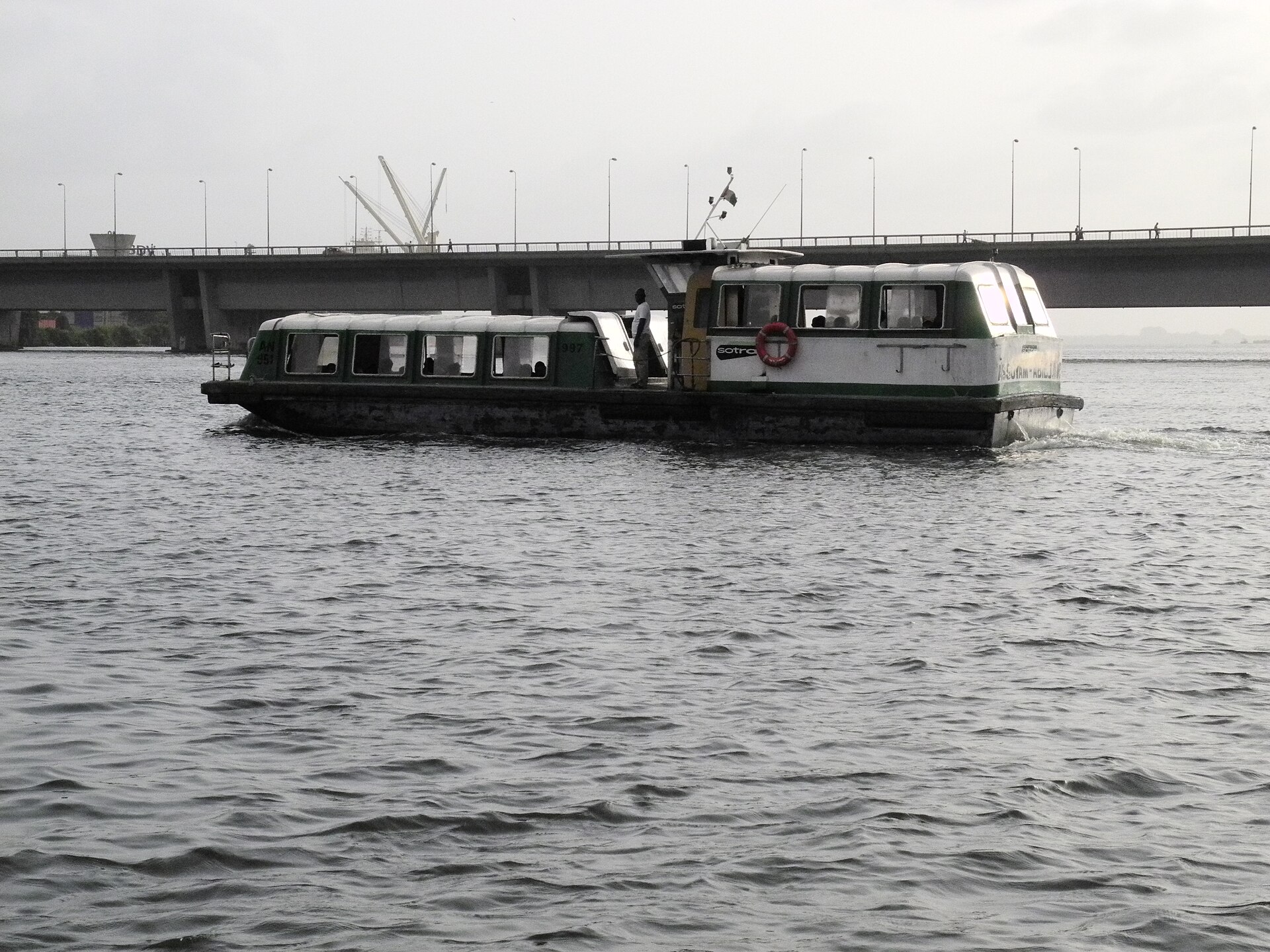
Ivorian culture draws on masks, textiles, sculpture, dance, oral traditions and the heritage of many peoples. Dan and Wê masks, Sénoufo arts, Akan and Baoulé court traditions and Manding performance cultures are important parts of this landscape.
The country is also a modern cultural powerhouse through coupé-décalé, zouglou, reggae, rap, fashion and cinema. Yamoussoukro’s Basilica of Our Lady of Peace is an architectural landmark, while Grand-Bassam combines coastal life with historic urban heritage.
Cuisine
Ivorian cuisine includes attiéké, kedjenou, alloco, garba, foutou, sauce graine, groundnut sauces, okra sauces and many rice-based preparations. Cassava, plantain, yam, rice, maize, fish, meat, vegetables, palm products and chilli appear across regional cuisines.
Education, health and regional role
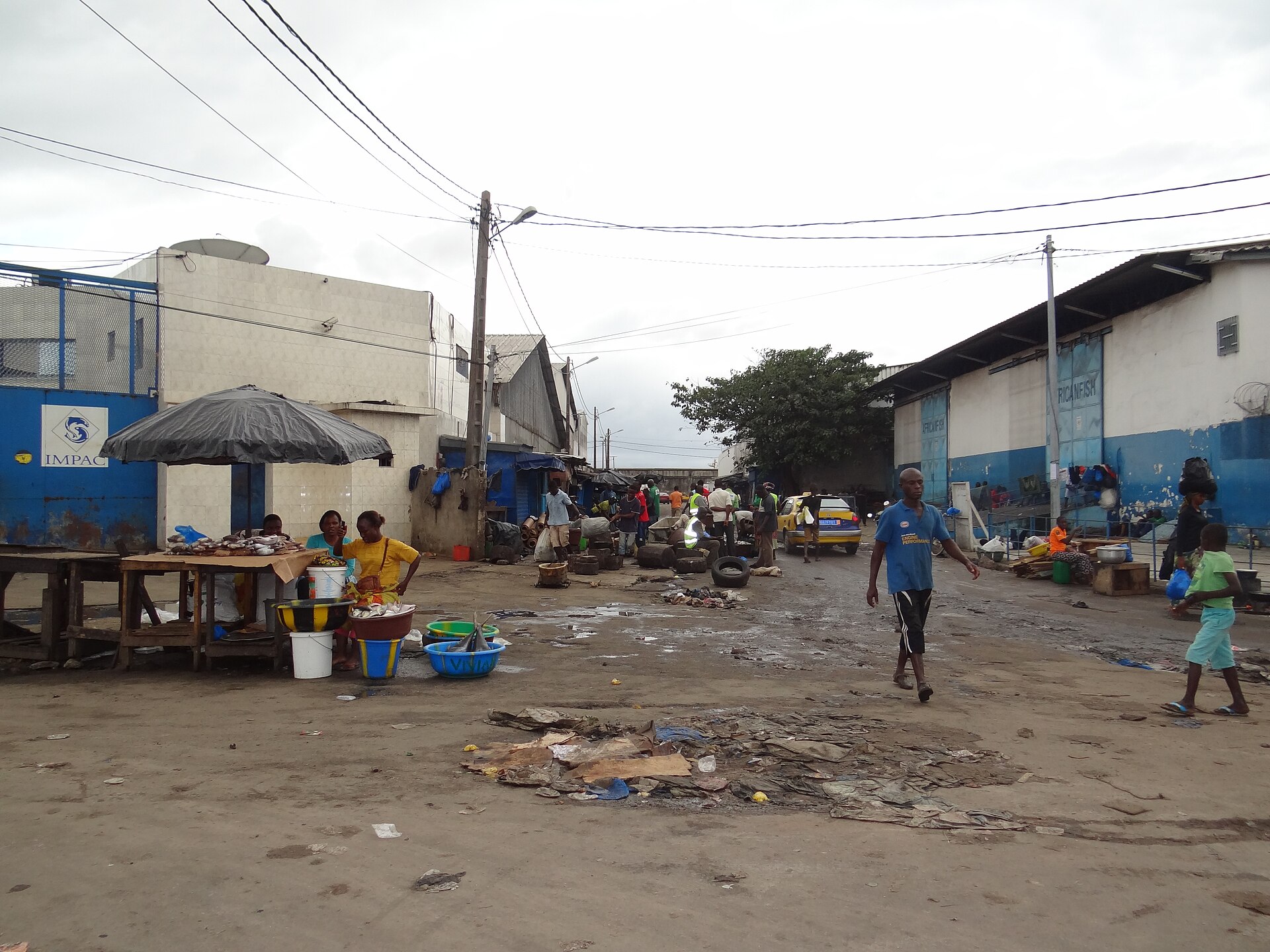
Universities and grandes écoles are concentrated in Abidjan and several regional cities. Health and education systems continue to face urban-rural inequalities, rapid demographic growth and infrastructure demands. Regionally, Côte d’Ivoire functions as a financial, port, transport and energy hub within West Africa.
