Italy at a glance
Italy is a major European and Mediterranean country whose influence stretches from ancient Rome and the Renaissance to modern industry, fashion, design, food and culture. Rome is the capital, while Milan is the principal financial and industrial centre. The country combines the Alps, the Po Valley, the Apennines, long coastlines and major islands including Sicily and Sardinia.
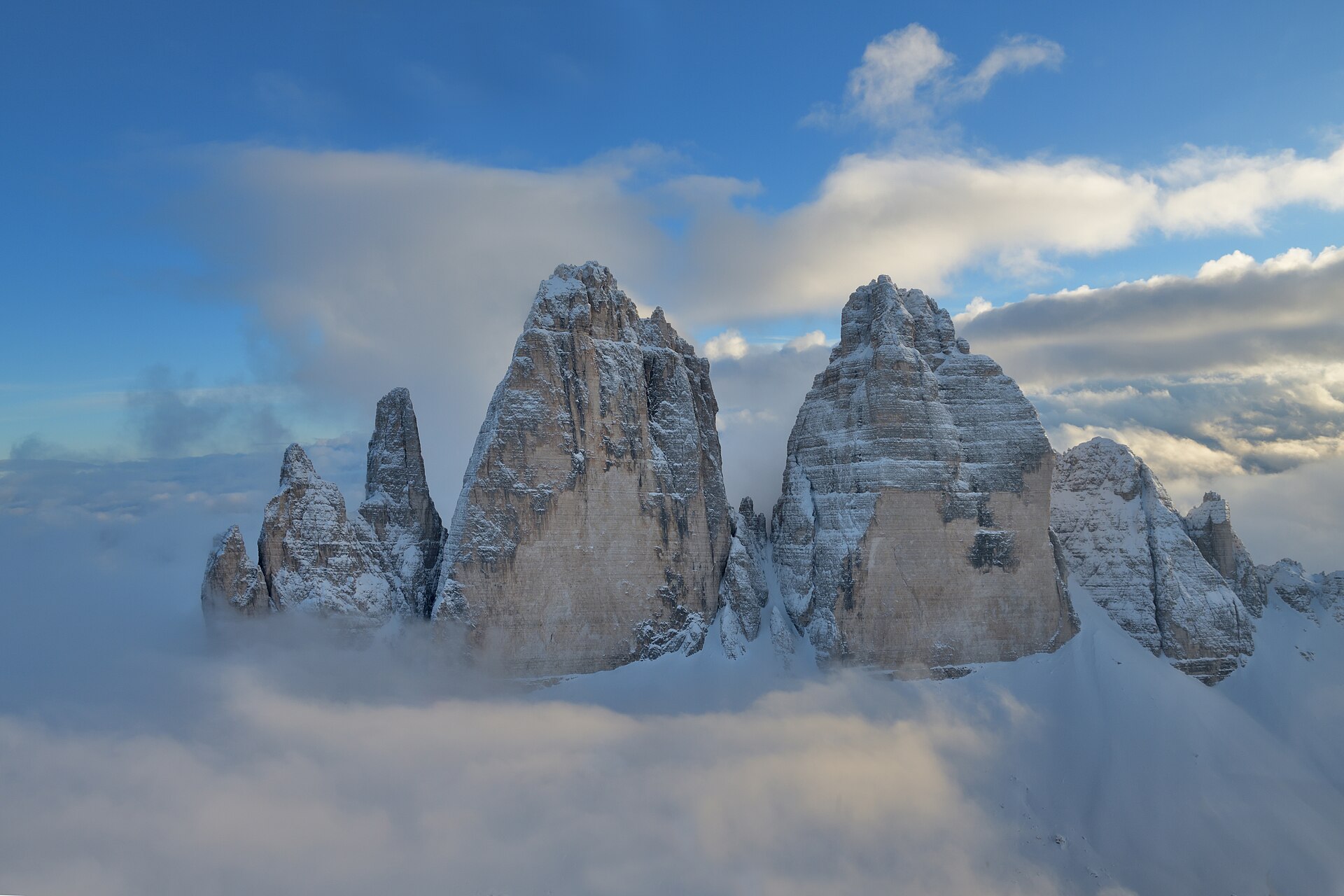
Alps, Po Valley, Apennines and islands
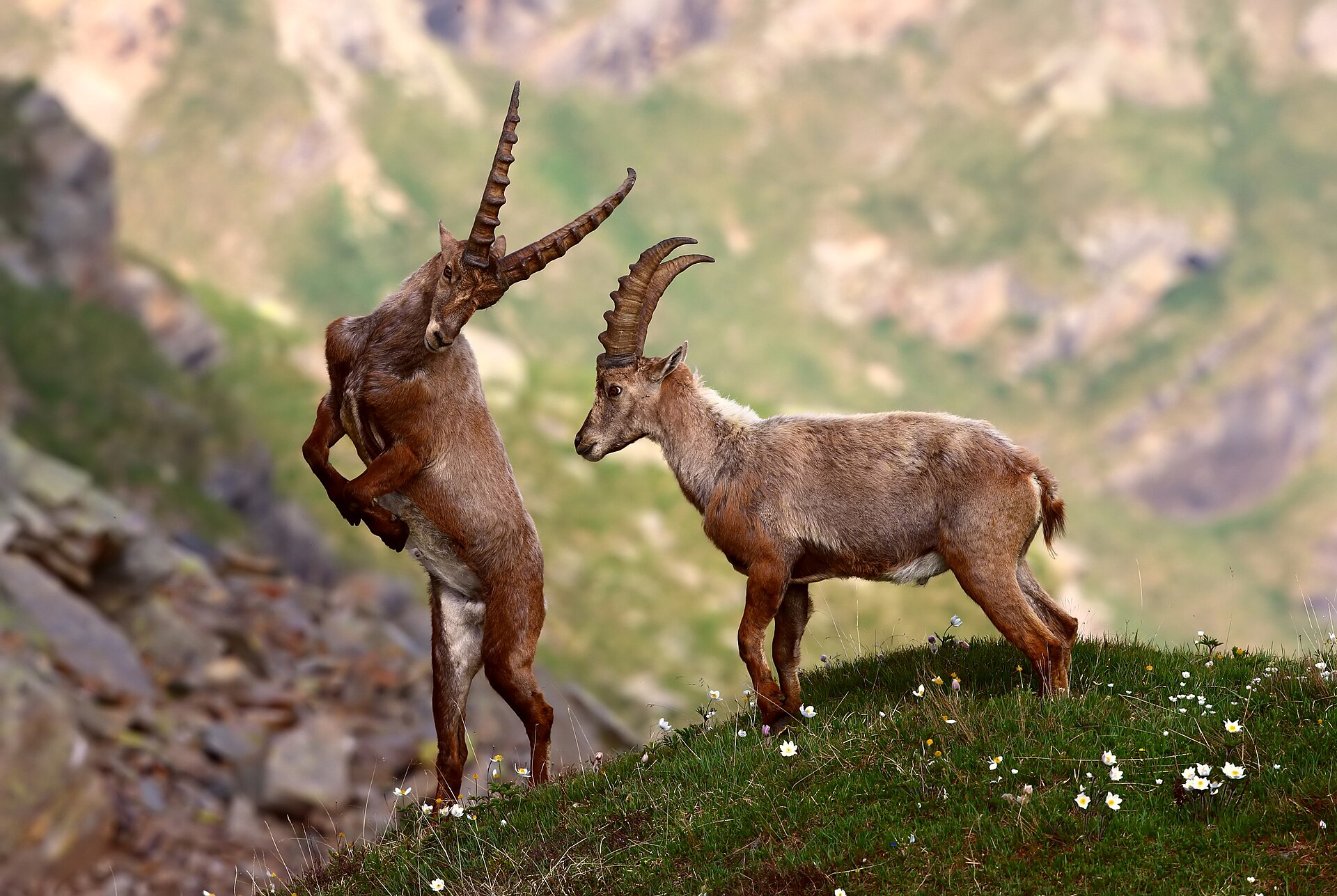
Italy occupies a long peninsula extending into the Mediterranean, together with Sicily, Sardinia and numerous smaller islands. The Alps form the northern frontier, the Po Valley is the country’s most important agricultural and industrial plain, and the Apennines form a mountain spine running through the peninsula.
The Po, Adige, Tiber and Arno are among the principal rivers. Italy’s coastlines open onto the Ligurian, Tyrrhenian, Adriatic and Ionian seas. Sicily is dominated by Mount Etna, while Sardinia has a strong mountain and island identity of its own.
Climate, volcanoes and environmental risks
Climate ranges from alpine conditions in the north to Mediterranean patterns in much of the centre and south. Italy is also one of Europe’s most geologically active countries: Etna, Vesuvius and Stromboli are among its best-known volcanoes, and several regions are exposed to seismic risk.
Flooding, drought, heatwaves, wildfire and landslides add to environmental pressures. Water management in the Po basin, coastal protection and disaster resilience are therefore national priorities.
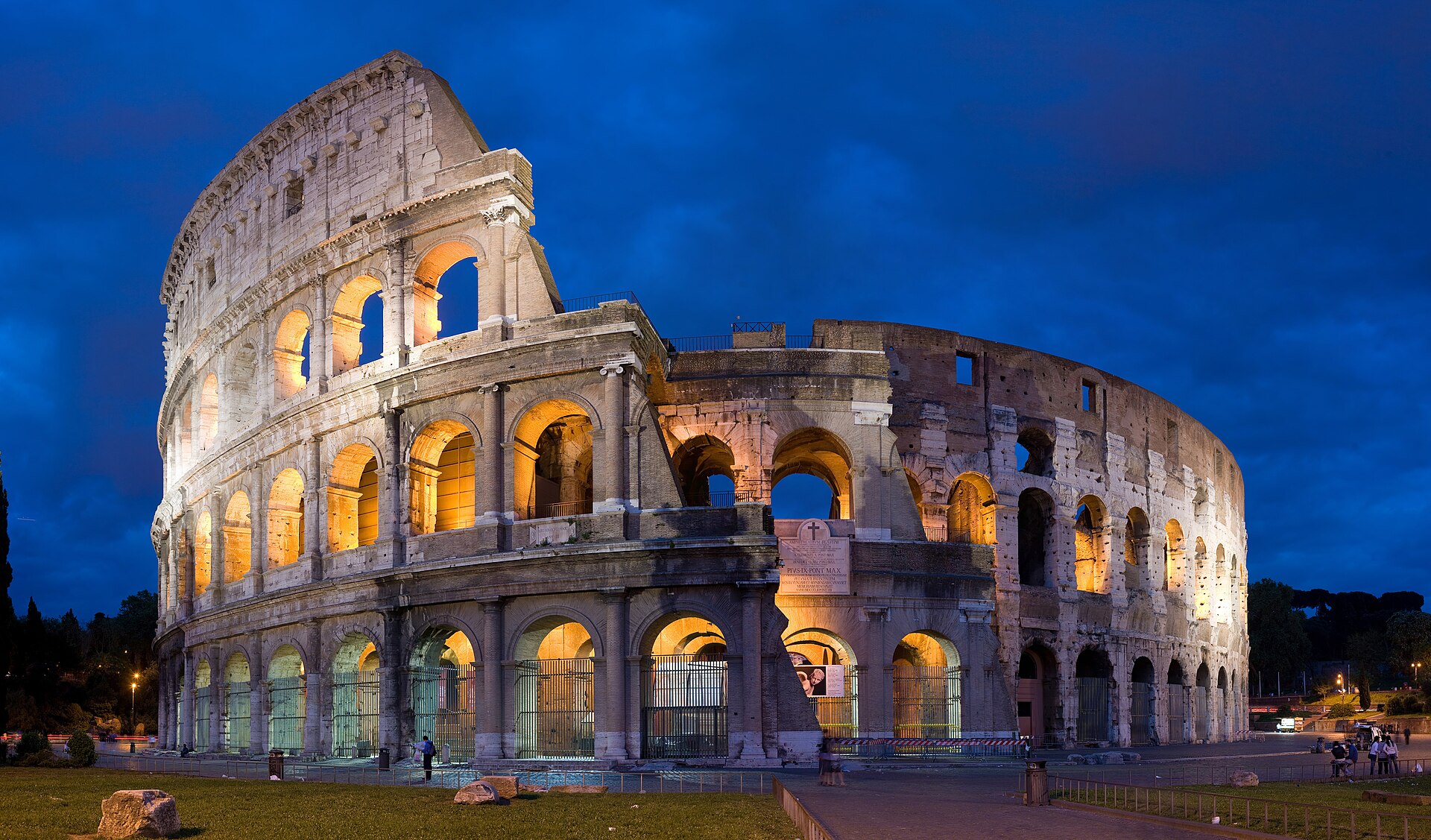
Rome and the ancient world
Italy was the centre of the Roman Republic and later the Roman Empire, whose political, legal, engineering and cultural influence extended across Europe, North Africa and the Near East. Roads, aqueducts, amphitheatres, cities and legal traditions remain central to the country’s historical identity.
After the fall of the Western Roman Empire in 476, the peninsula fragmented among kingdoms, Byzantine territories, papal lands, duchies and independent cities. This political diversity later helped produce powerful commercial centres and maritime republics.
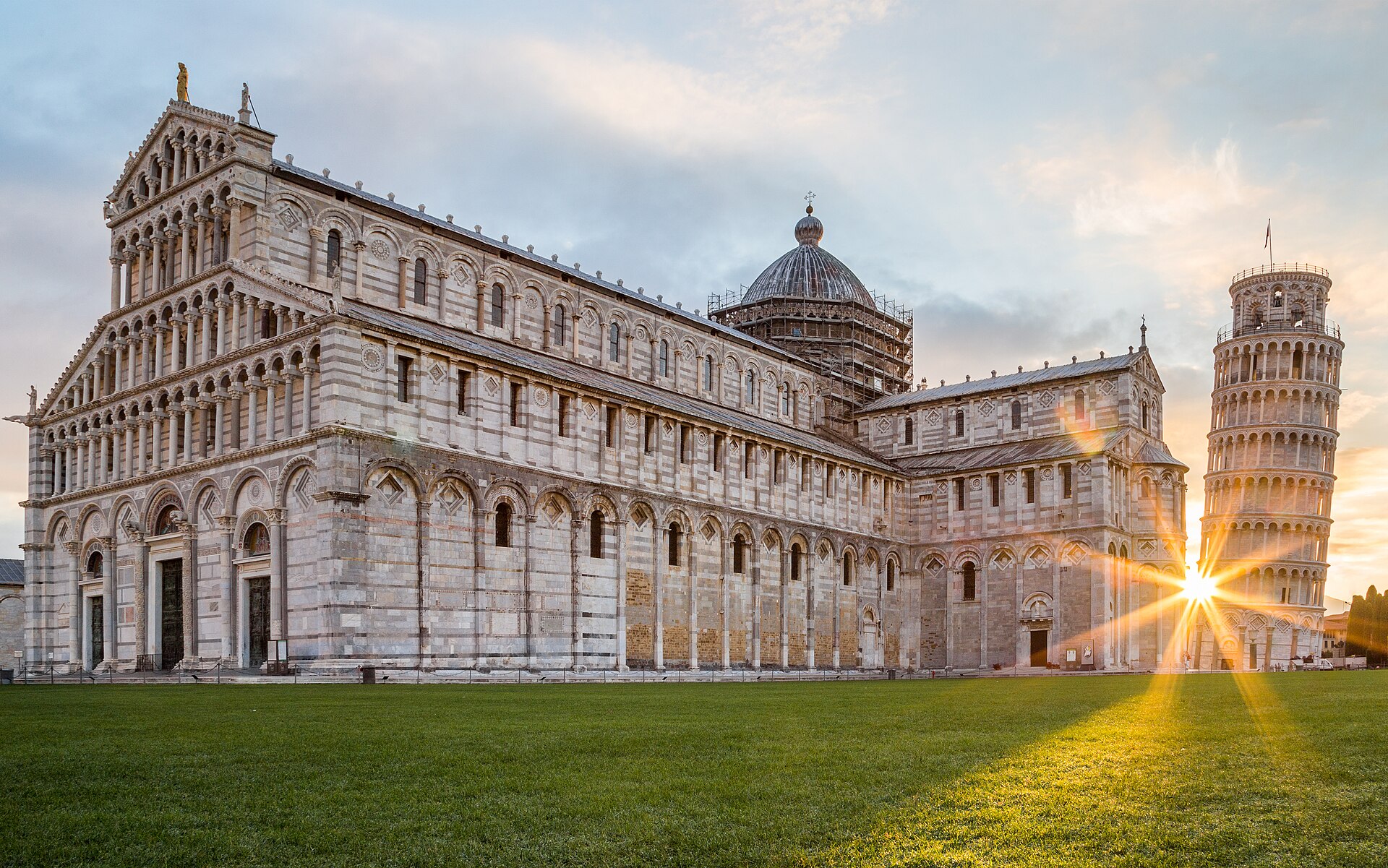
City-states and the Renaissance
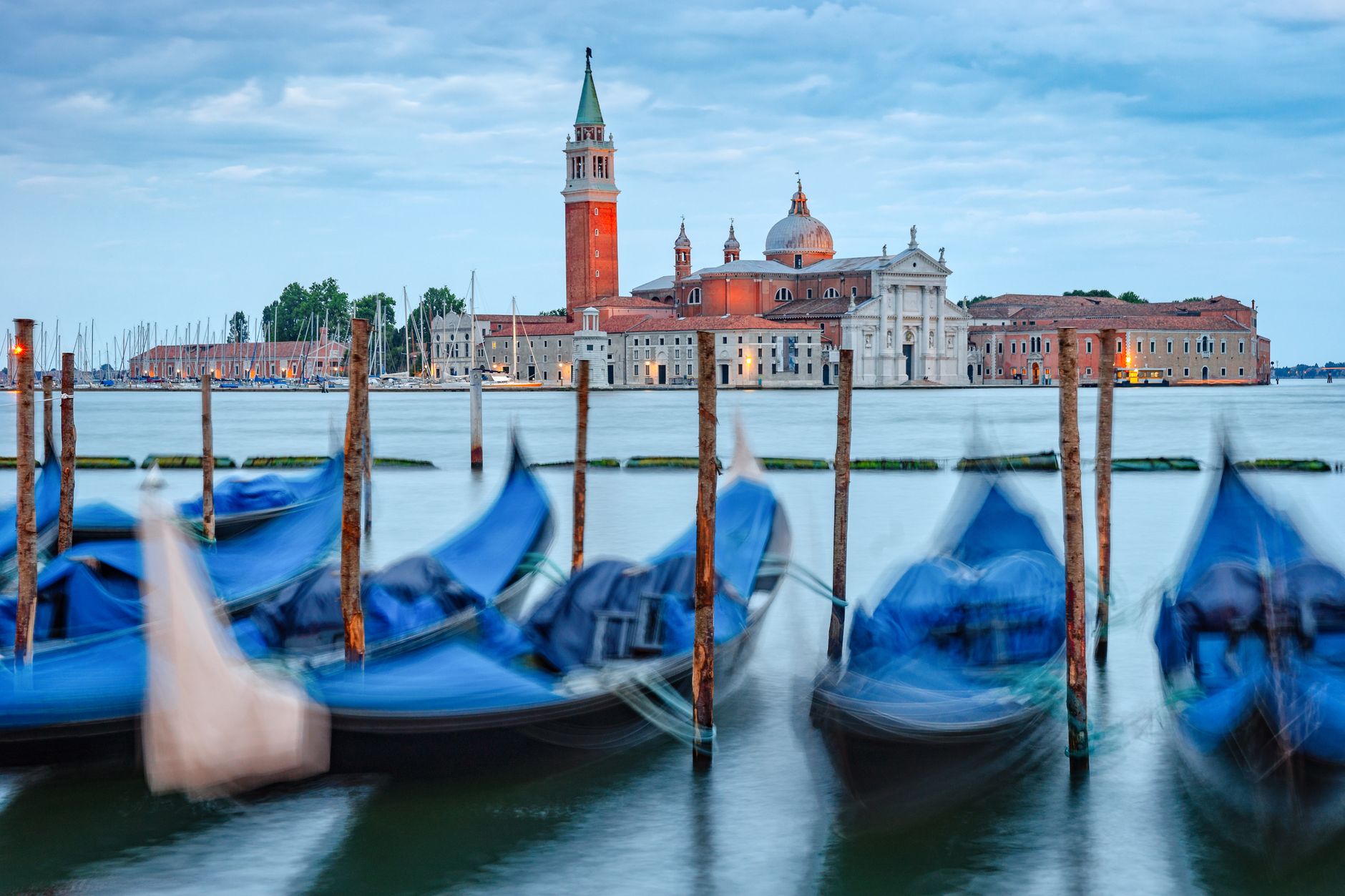
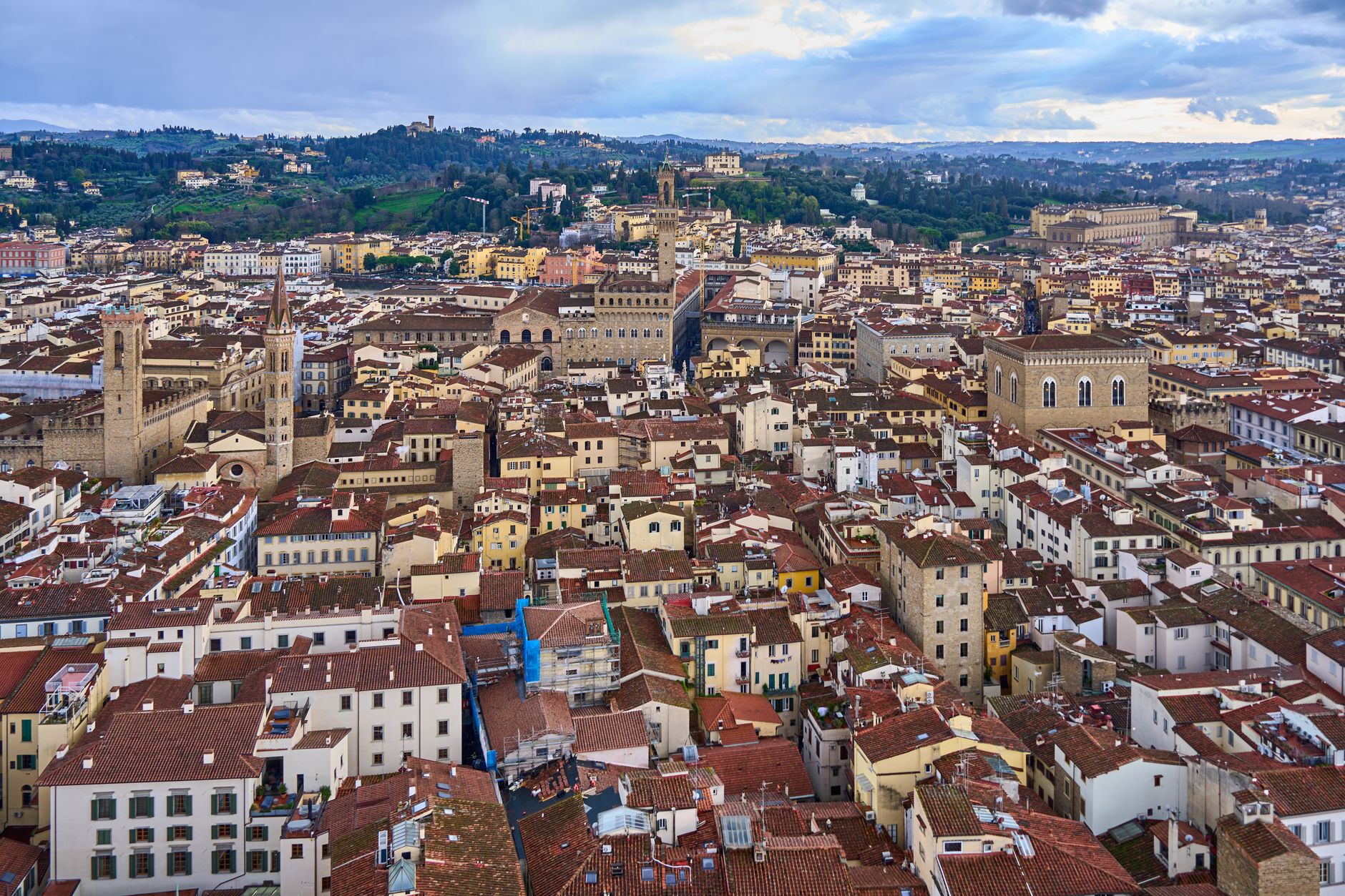
Venice, Genoa, Florence, Milan, Naples, Pisa and Rome became major centres of commerce, finance, art and politics during the medieval and Renaissance periods. Italian trade networks linked Europe to the Mediterranean and Asian routes.
The Renaissance transformed art, science, architecture and political thought. Leonardo da Vinci, Michelangelo, Raphael, Galileo and Machiavelli are among the figures associated with this extraordinary period of cultural production.
Unification, war and the republic
The nineteenth-century Risorgimento brought the peninsula’s states together into a unified kingdom proclaimed in 1861. Giuseppe Garibaldi, Camillo Cavour and Giuseppe Mazzini are among the central figures of this process.
Fascism under Benito Mussolini began in 1922 and led Italy into the Second World War alongside Nazi Germany before the regime collapsed. A referendum in 1946 ended the monarchy and established the republic. The post-war decades brought rapid industrial expansion and integration into the emerging European institutions.

Population, regions and languages
Italy is divided into twenty regions, including five with special autonomous status. Rome is the institutional centre; Milan leads finance, design and much of industry; Naples, Turin, Florence, Bologna, Genoa, Venice, Palermo, Bari and Catania are major regional cities.
Italian is the national language, while many regional and minority languages remain active, including Sardinian, Friulian, Ladin, German in South Tyrol, French in the Aosta Valley, Slovene and other local traditions. The country faces low birth rates, ageing and a long-standing economic divide between the more industrialised north and the Mezzogiorno.
Industry, exports and the “Made in Italy” economy
Italy is one of Europe’s largest economies and has a dense network of specialised small and medium-sized companies. Machinery, automotive production, robotics, pharmaceuticals, chemicals, luxury goods, fashion, furniture, food processing and tourism are major sectors.
Agriculture and energy
Italy is a major European producer of wine, olive oil, fruit, vegetables, citrus, rice, cheeses and processed foods. The Po Valley supports intensive agriculture, while central regions are strongly associated with vineyards and the south with Mediterranean crops.
The country imports a large share of its energy, making diversification strategically important. Solar, wind, hydroelectric and geothermal energy all contribute; Tuscany is particularly associated with geothermal production and southern Italy has strong solar potential.
Cuisine
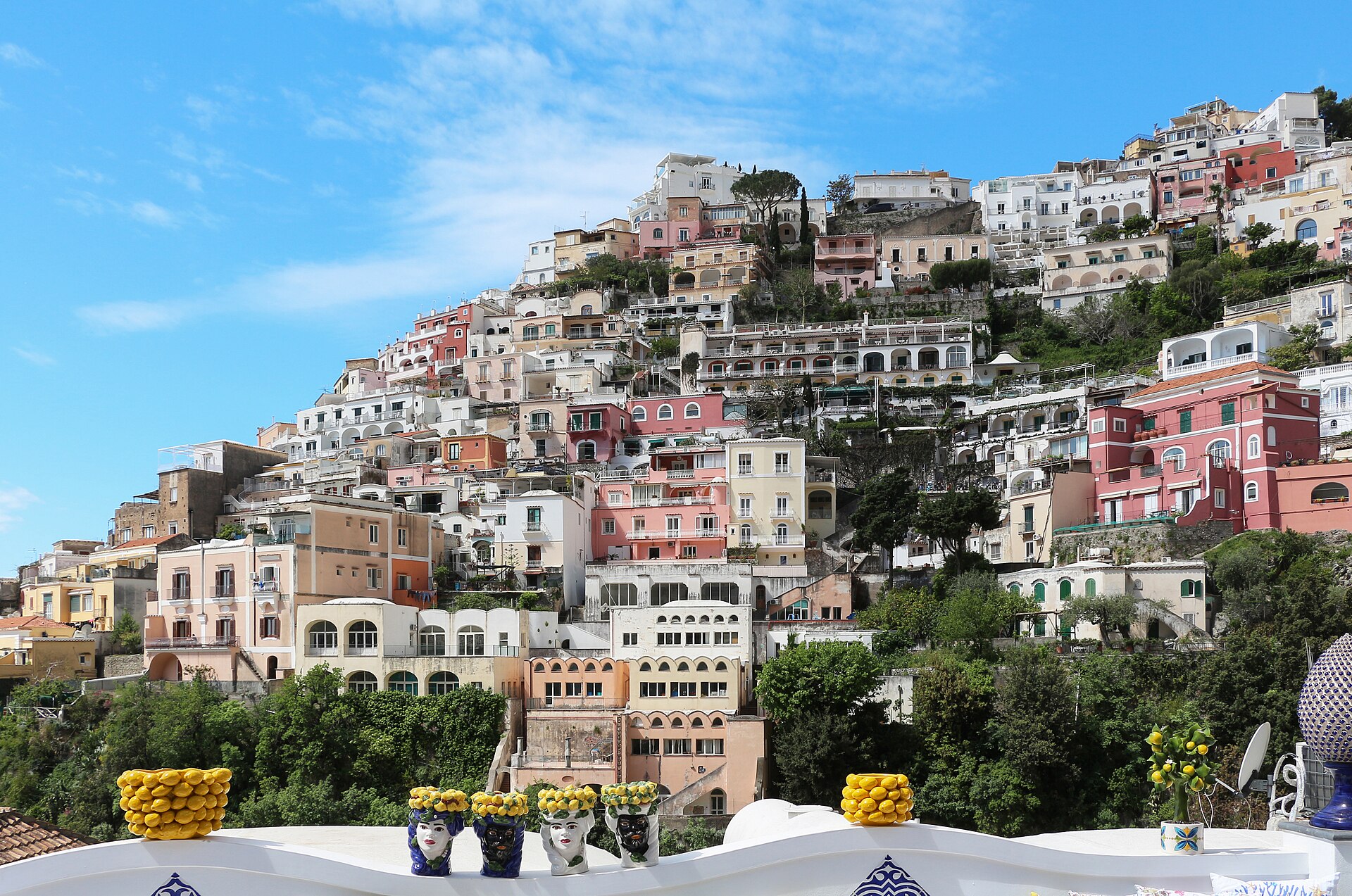
Italian cuisine is a mosaic of regional traditions rather than a single model. Pasta, rice, bread, olive oil, tomatoes, vegetables, cheese, seafood and local meats vary dramatically by region. Pizza napoletana, carbonara, ragù, pesto, risotto, lasagne, tortellini, osso buco, arancini, cannoli, parmigiana, gelato and espresso are among the best-known examples.
Cities, transport and tourism
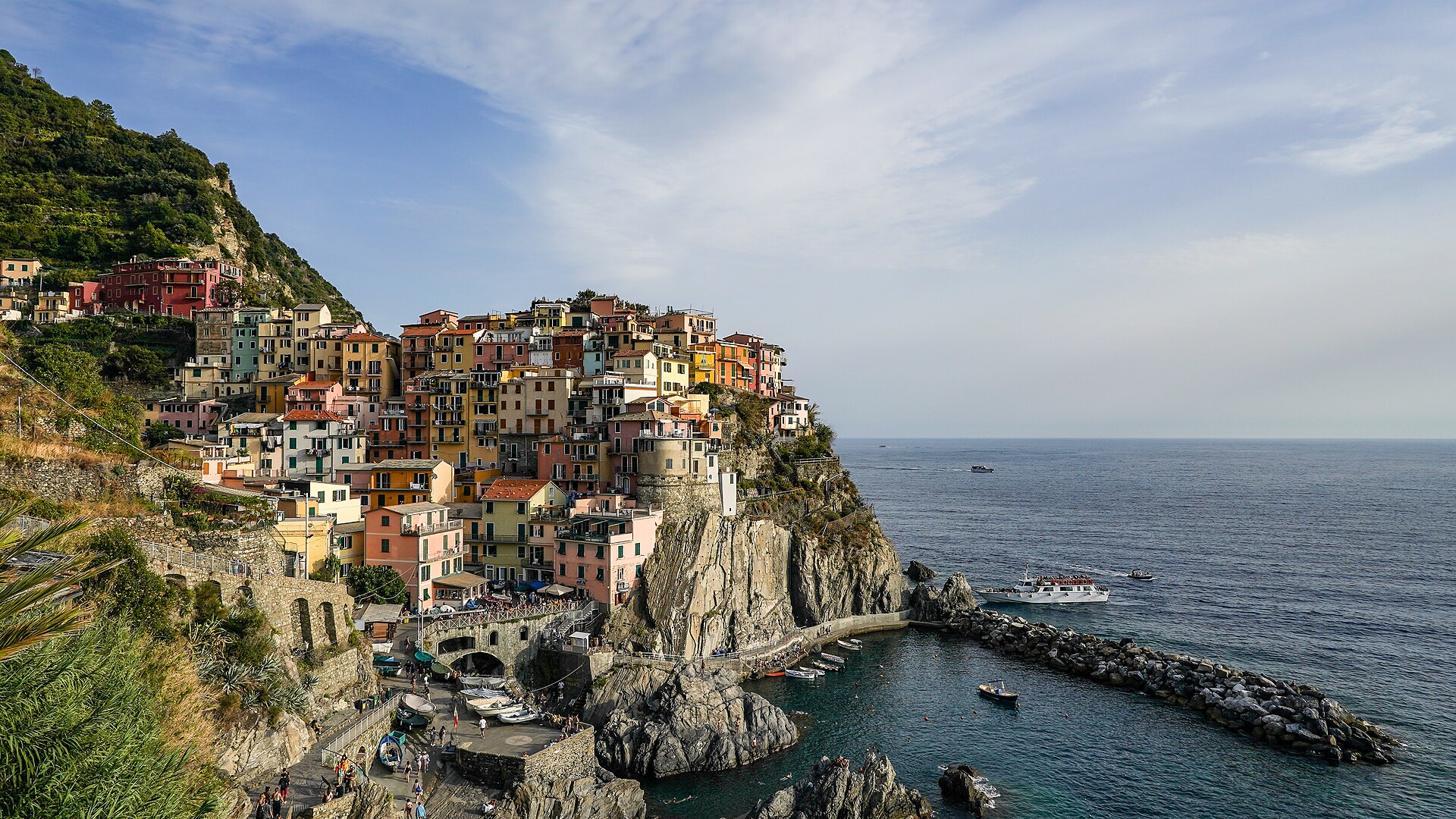
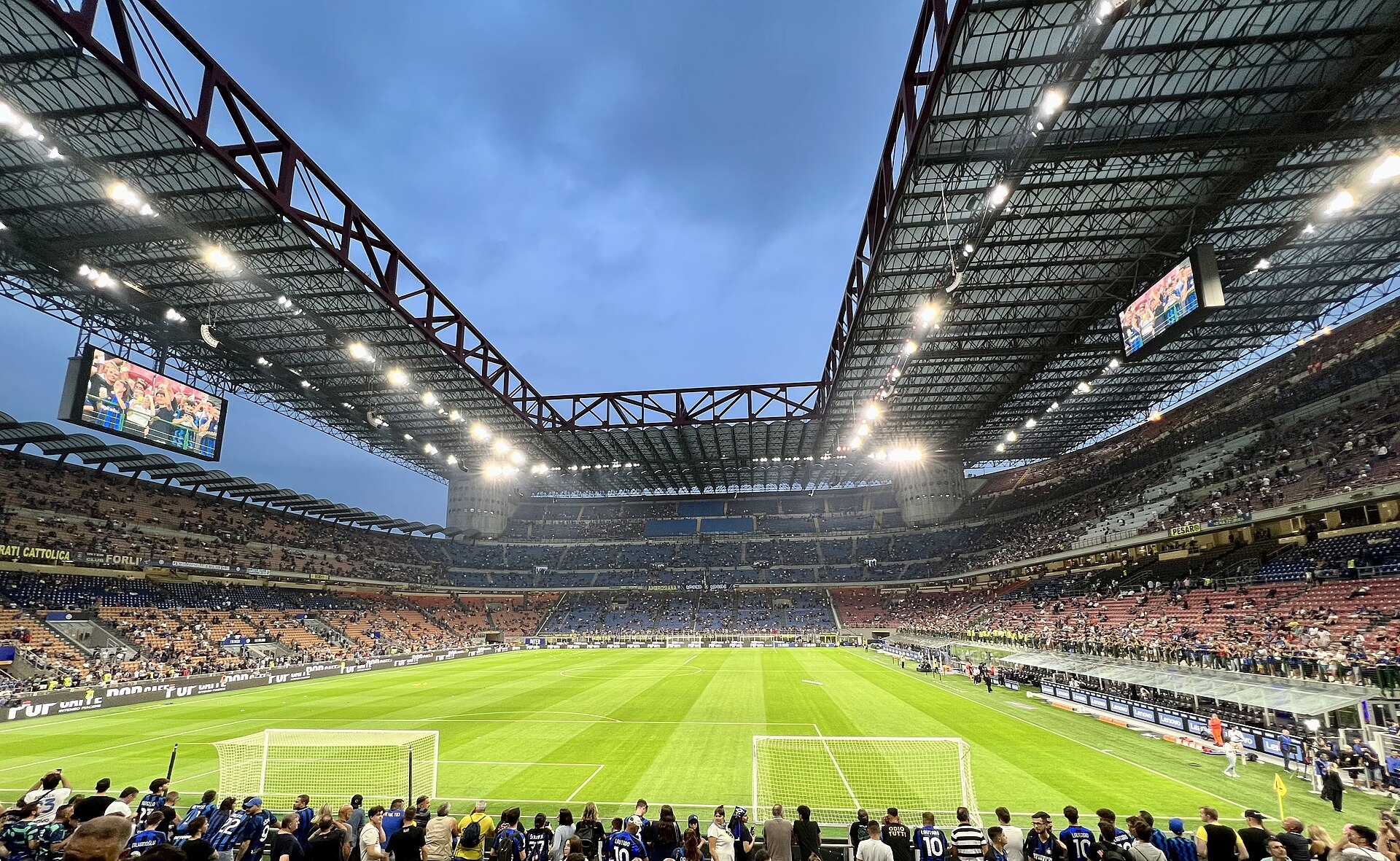
Rome is one of the world’s major archaeological, religious and cultural capitals. Milan leads finance, fashion and design; Venice, Florence, Naples, Bologna, Turin and Palermo have global cultural recognition.
High-speed rail links Turin, Milan, Bologna, Florence, Rome, Naples and Salerno. Genoa, Trieste, Gioia Tauro, Naples and Livorno are important Mediterranean ports. Tourism is strategically important, but heritage cities face overtourism, housing pressure and climate-related challenges.
Culture, education and health
Italy has one of the world’s richest concentrations of cultural heritage, from Roman antiquity and Renaissance art to opera, cinema, fashion and contemporary design. Dante, Leonardo da Vinci, Michelangelo, Raphael, Caravaggio, Galileo, Verdi, Puccini, Fellini and Italo Calvino are among the figures associated with Italian culture.
Universities in Bologna, Padua, Naples, Rome and Milan reflect a long academic tradition. Italy’s public health system offers universal coverage but faces regional disparities, waiting times and pressures associated with population ageing.
Italy in pictures