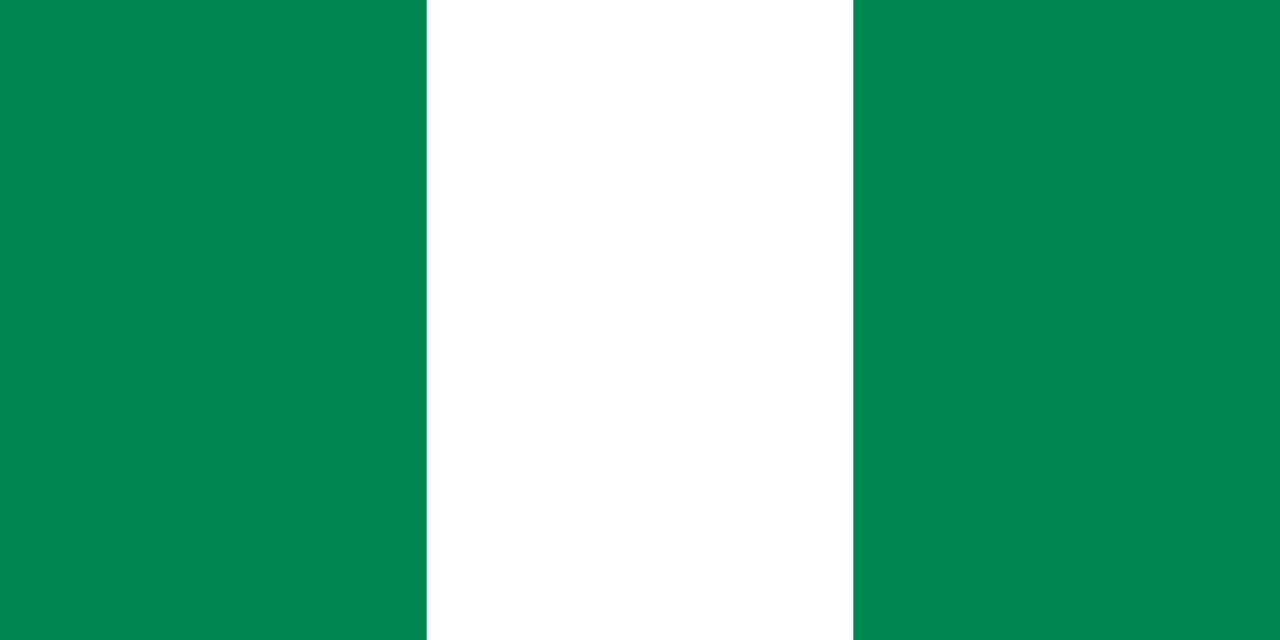
Nigeria at a glance
Nigeria is a federal republic in West Africa on the Gulf of Guinea and the most populous country on the continent, with about 237 million inhabitants. Abuja is the federal capital, while Lagos is the largest city and the main commercial and financial centre. With an area of roughly 924,000 square kilometres, Nigeria borders Benin, Niger, Chad and Cameroon, and its currency is the naira.

Geography, the Niger River and climate
Nigeria stretches from the Atlantic coast and the mangroves of the south to the Sahel-facing plains of the north. The Niger River, which gives the country its name, crosses a large part of the territory and meets the Benue River before forming a vast delta in the south. Other landscapes include tropical forests, the central plateau and savannas, the Sudanian savannas of the north and the semi-arid zones near Lake Chad.
The climate is mainly tropical, with a rainy season and a dry season. Rainfall is generally heavier in the south, while the north is hotter and drier.
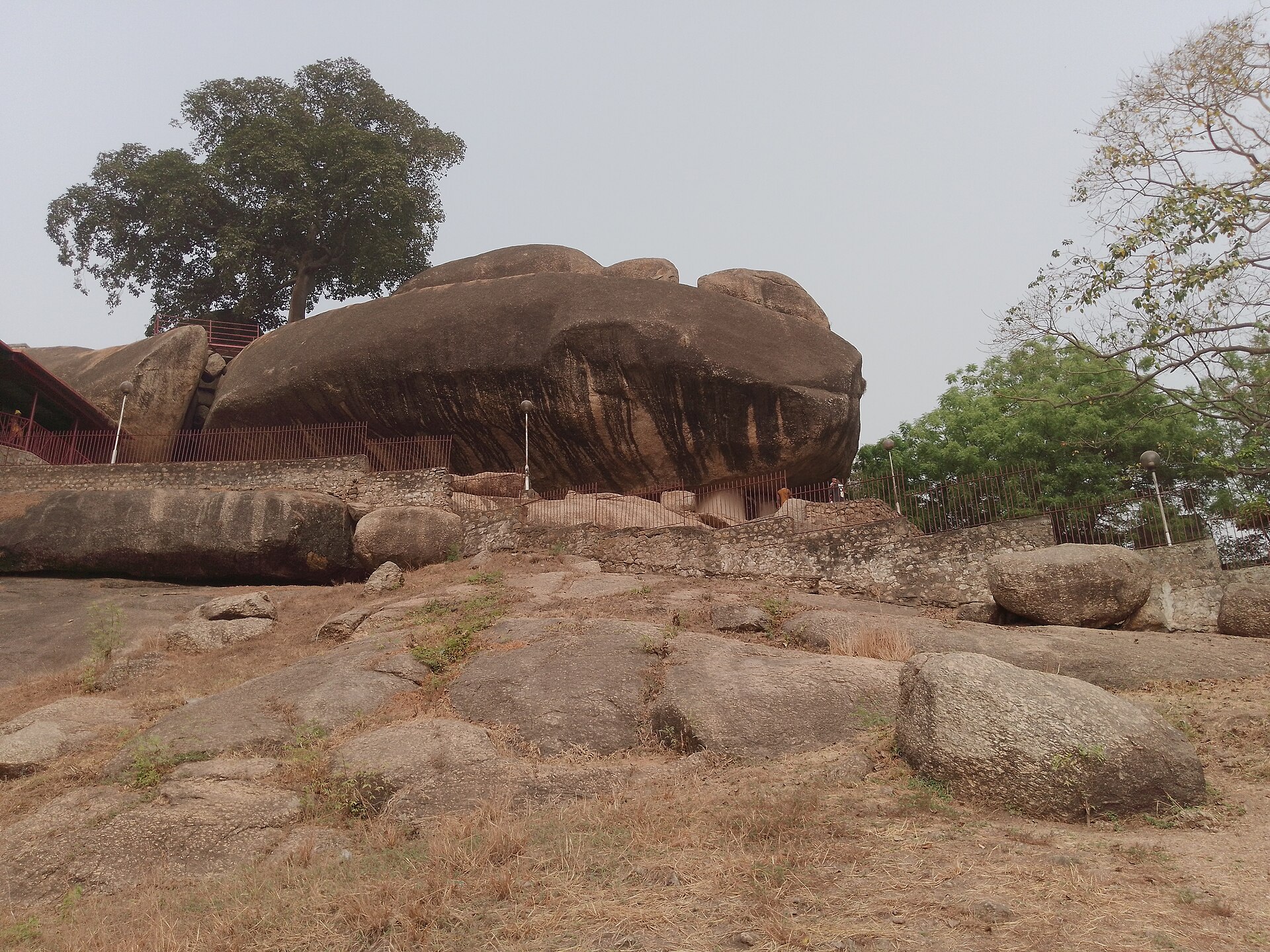
Early kingdoms and civilisations
The territory of present-day Nigeria hosted major civilisations long before European colonisation. They include the Hausa city-states, the Kanem-Bornu Empire in the north-east, the Kingdom of Benin, the Yoruba kingdoms such as Oyo, many Igbo communities and the societies of the Niger Delta.
These societies had their own political structures, trade networks, artistic traditions and religious systems. The Kingdom of Benin is especially famous for its bronze sculptures and plaques.
Colonial rule, independence and the republic
British influence expanded gradually during the nineteenth century, and the northern and southern administrations were joined in 1914 as the Colony and Protectorate of Nigeria. Nigeria became independent from the United Kingdom on 1 October 1960 and a republic in 1963.
The decades that followed included military coups, periods of military government and the Nigerian civil war of 1967 to 1970. Civilian rule returned in 1999, and since then Nigeria has operated as a federal democracy, while continuing to face political, social and security challenges.
Federal institutions
Nigeria is a federation of 36 states and the Federal Capital Territory, where Abuja is located. The president is both head of state and head of government. Legislative power rests with the National Assembly, made up of the Senate and the House of Representatives, and the states have their own governors, assemblies and powers.
Peoples, languages and religions
Nigeria is a multinational state with more than 250 ethnic groups and about 500 languages. The three largest groups are the Hausa-Fulani, mainly in the north, the Yoruba, mainly in the south-west, and the Igbo, mainly in the south-east. Other important peoples include the Ijaw, Kanuri, Tiv, Ibibio, Edo, Nupe, Idoma, Urhobo, Itsekiri and Efik.
English is the official language and the language of administration, higher education and much of economic life. Hausa, Yoruba and Igbo are among the most widely spoken national languages, and Nigerian Pidgin is a common language of communication between people of different backgrounds, especially in cities and in the south. Islam is the majority religion in much of the north, Christianity dominates in the south and parts of the centre, and traditional Yoruba, Igbo and other religions are still practised.

Economy, oil and gas
Nigeria is one of Africa’s largest economies, driven by its huge domestic market, hydrocarbons, services, agriculture, telecommunications and cultural industries such as film, music and fashion. It is Africa’s leading producer of oil and gas, with deposits concentrated in the Niger Delta and offshore.
Other mineral resources include coal, tin, niobium, iron ore, limestone, lead, zinc, gold, bitumen and gypsum. Challenges include inflation, poverty, unemployment, unreliable electricity, regional inequality and currency volatility.

Agriculture and food
Agriculture employs a large share of the population. Cassava, yam, rice, maize, sorghum, millet, beans, groundnuts, cocoa, oil palm, rubber and cashew are important crops, and Nigeria is one of the world’s largest producers of cassava. Cocoa and palm oil dominate the humid south, while millet, sorghum and cattle rearing characterise the drier north.
Nigerian cuisine is varied and makes generous use of chilli, palm oil, cassava, yam, rice, beans, fish, meat and leafy vegetables. Jollof rice, egusi soup, suya, pounded yam, efo riro, moi moi, akara, fufu, garri, eba and amala are among the best-known dishes.

Cities, transport and infrastructure
Abuja has been the capital since 1991, chosen for its central location. Lagos, the former capital, remains the largest city and the main port, business and financial hub. Kano, Ibadan, Port Harcourt, Benin City, Kaduna, Enugu, Maiduguri, Jos, Ilorin and Aba are other major cities.
The country has major ports at Lagos and Port Harcourt, international airports, a developing railway network and a large road market, although electricity supply, road maintenance and urban congestion remain significant challenges.
Culture, Nollywood and literature
Nigeria is a cultural powerhouse in Africa. Its film industry, Nollywood, is one of the most productive in the world by number of films, and Nigerian music, from afrobeats and afro-pop to highlife, fuji and juju, shapes African and global scenes.
Nigerian literature is equally influential, with writers such as Chinua Achebe, Wole Soyinka, Chimamanda Ngozi Adichie, Buchi Emecheta and Ben Okri. Wole Soyinka received the Nobel Prize in Literature in 1986.
Education, health and the neighbour Cameroon
Nigeria has many public and private universities, with major centres in Lagos, Ibadan, Ife, Nsukka, Zaria, Kano and Abuja, although access and quality remain unequal between regions and income groups. Public health priorities include malaria, maternal and child health, infectious diseases and access to care in rural areas.
Nigeria shares a long and strategic border with Cameroon, the previous stop on the route of WHAT NEXT?. The two countries are linked by trade, human movement and cooperation around Lake Chad, and the Bakassi peninsula, once disputed, was transferred to Cameroon under a process supported by the International Court of Justice and the United Nations.
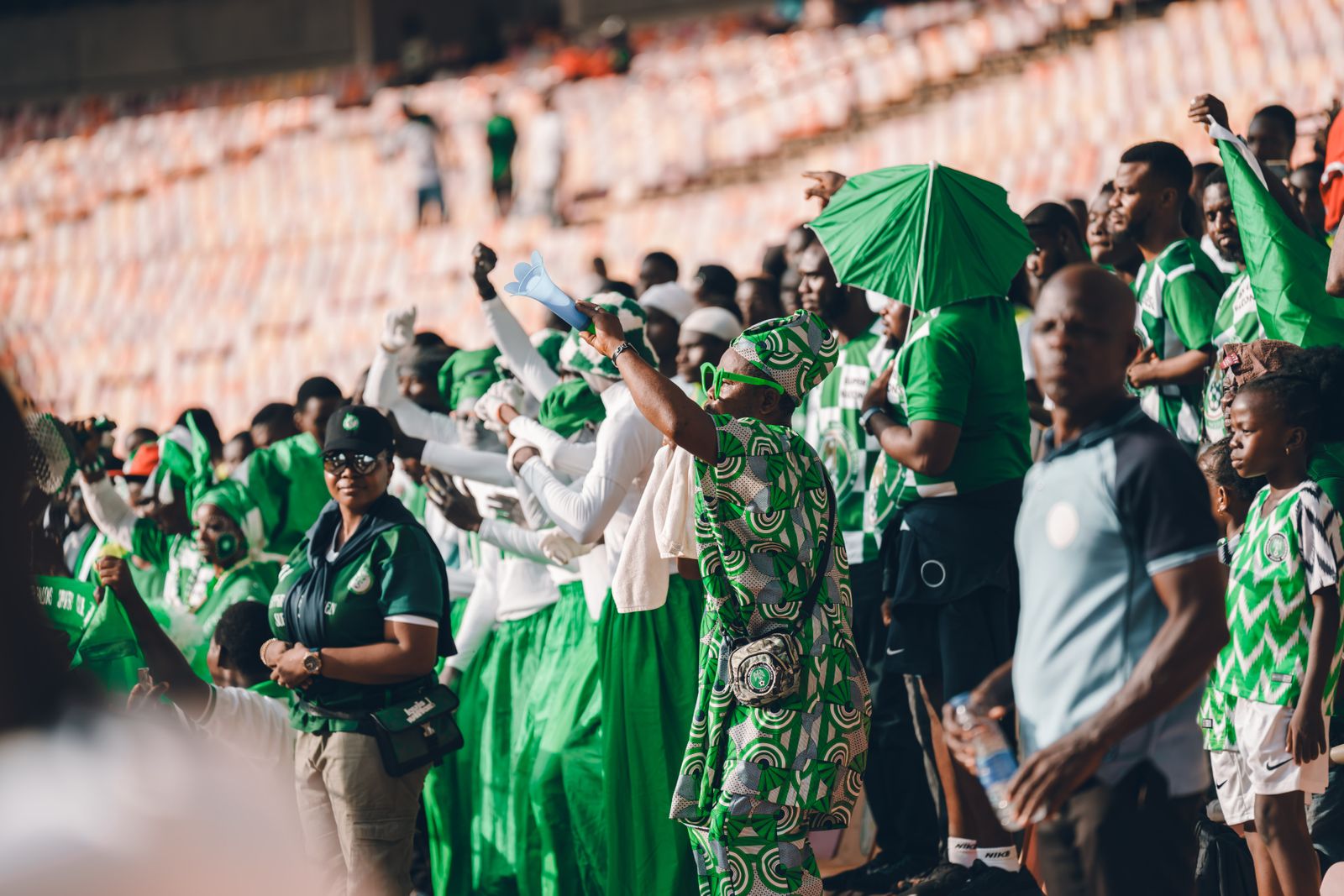
Nigeria in pictures


