Rwanda at a glance
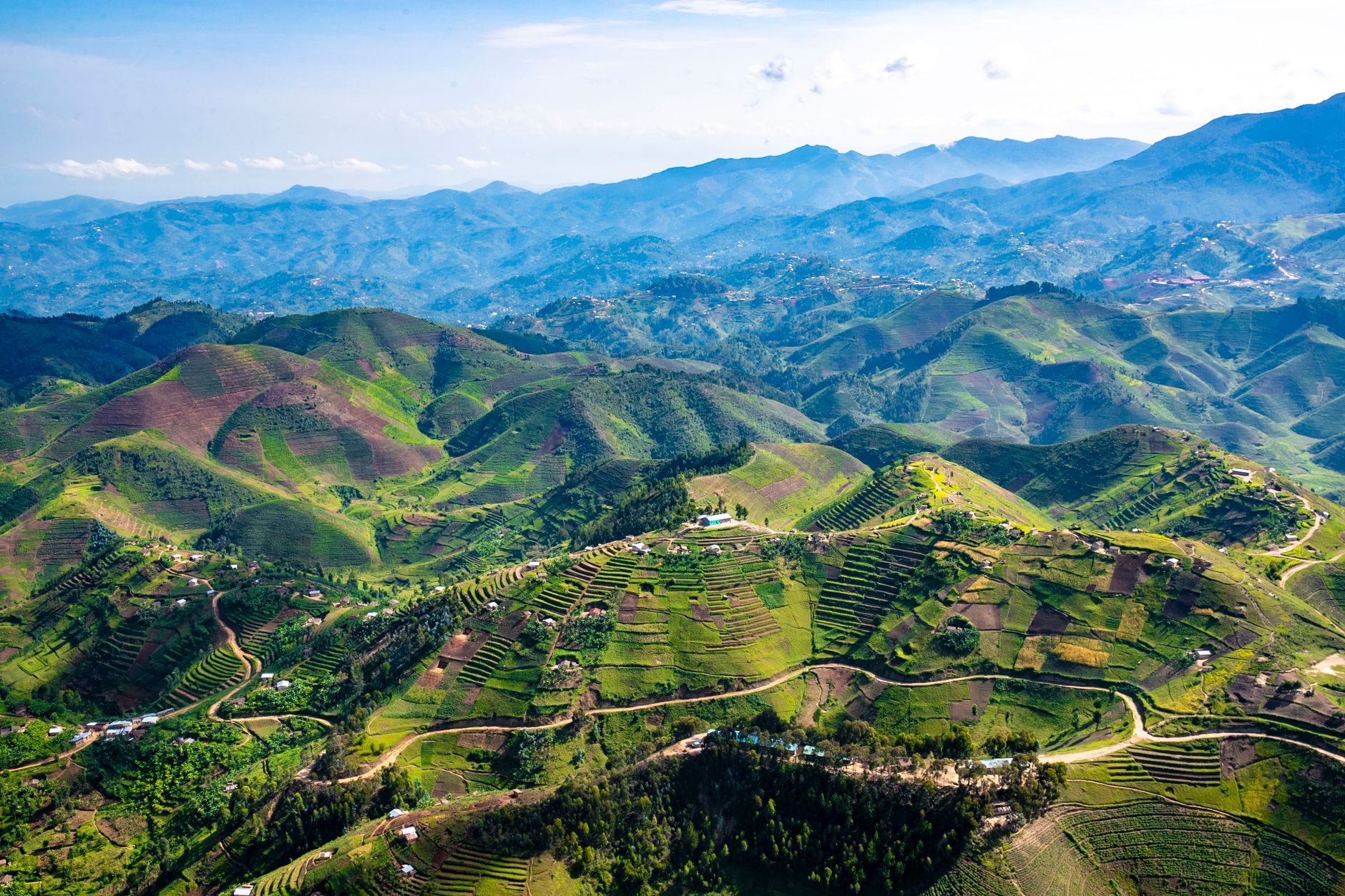
Rwanda is a small, densely populated landlocked country in Africa’s Great Lakes region, widely known as the “land of a thousand hills.” Kigali is the capital and largest city. The country combines highland agriculture, conservation tourism, services, technology ambitions and one of the continent’s most visible post-conflict reconstruction stories.

Hills, volcanoes, forests and lakes
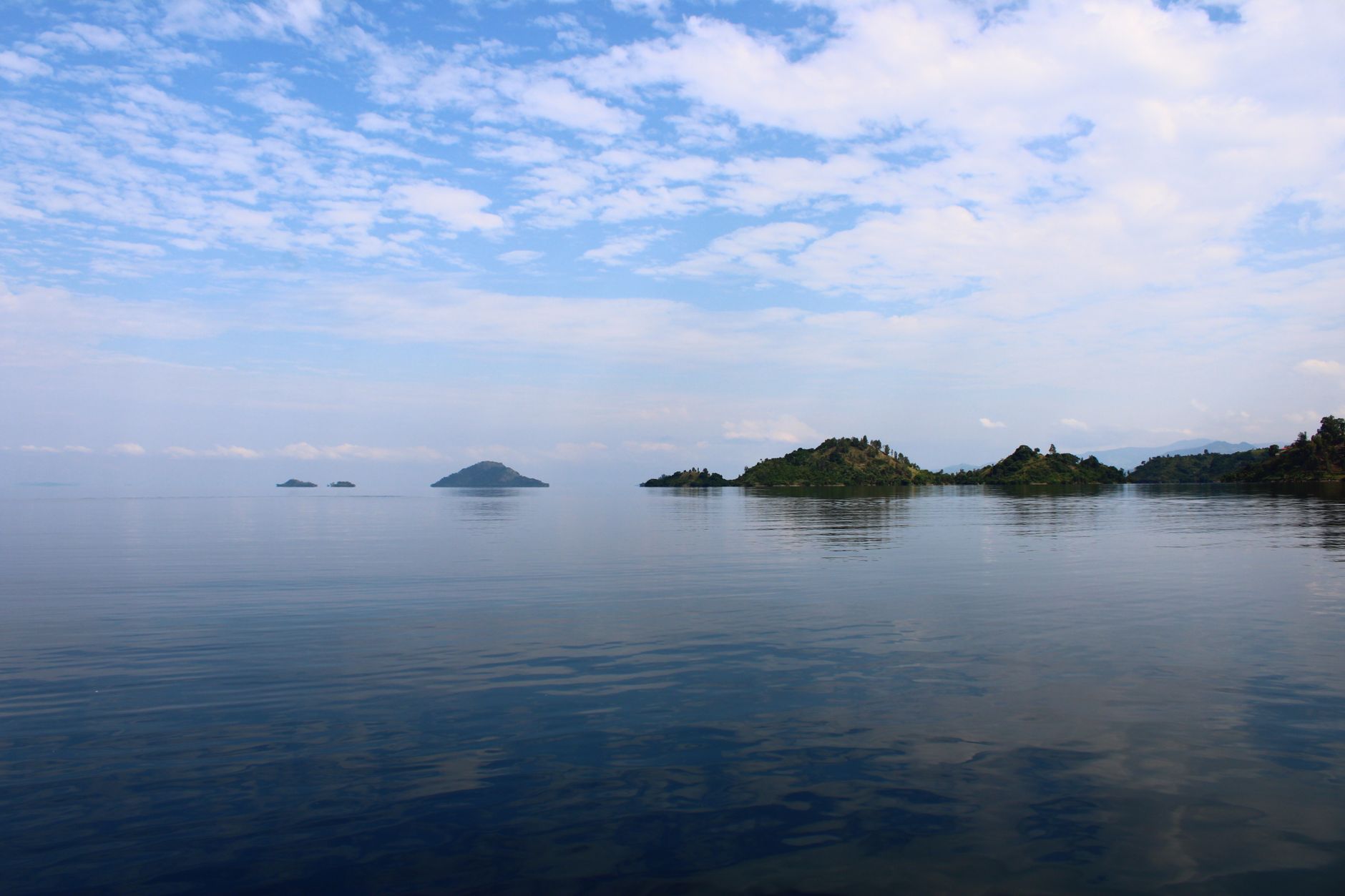
Rwanda sits on high plateaus near the equator. The Virunga volcanoes dominate the northwest, Lake Kivu and the Rift Valley lie to the west, the central plateau contains Kigali and densely cultivated hills, while eastern Rwanda opens toward lower savannas and wetlands around Akagera.
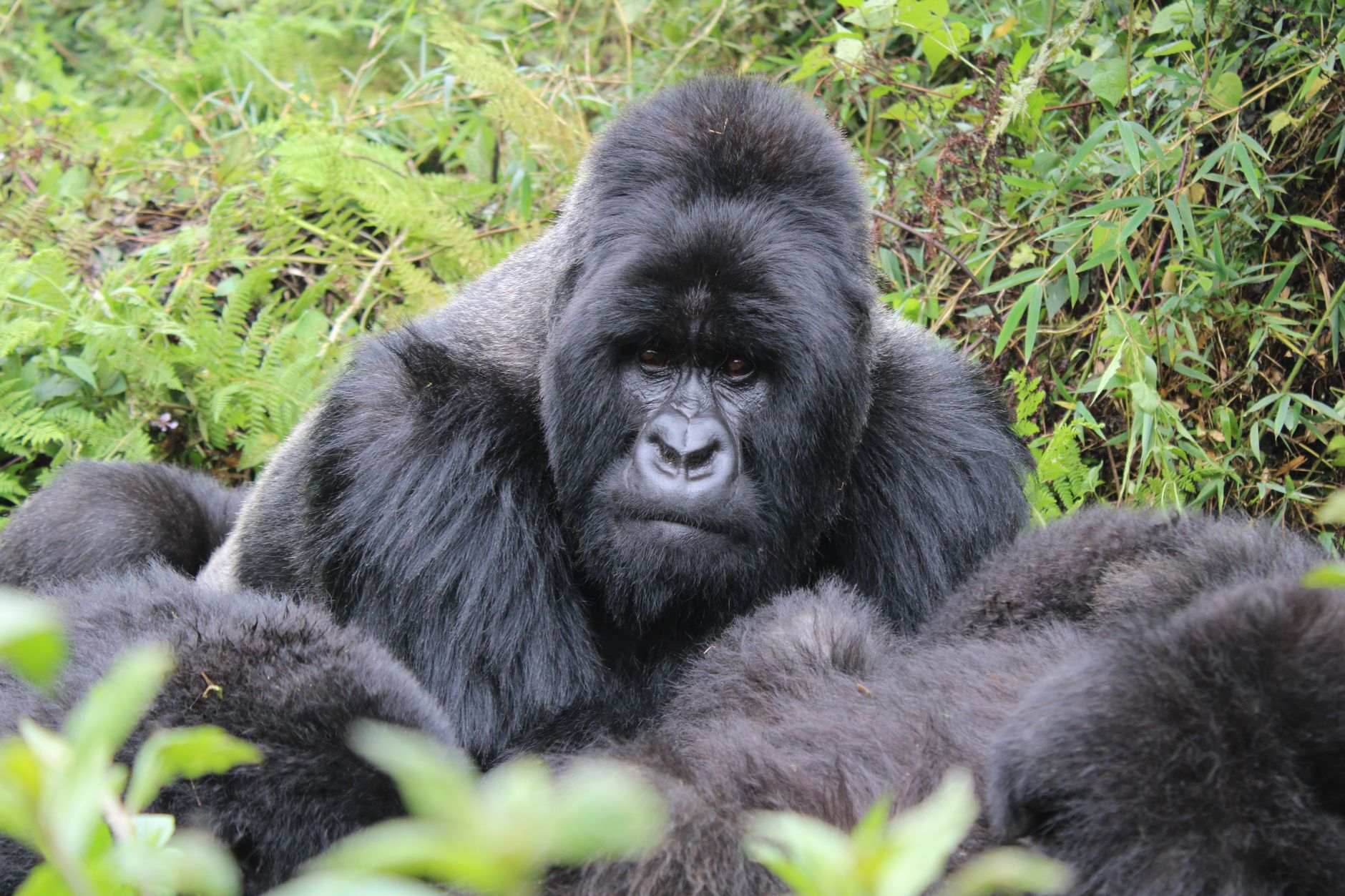
Nyungwe protects a major montane forest ecosystem, and Volcanoes National Park is internationally associated with mountain gorilla conservation. Akagera protects savanna wildlife including elephants, buffalo, lions, rhinos, giraffes and hippos. Soil erosion, land pressure and watershed protection are central environmental challenges.
Kingdom, colonial rule and independence
Before European colonisation, Rwanda was organised around a centralised kingdom ruled by a mwami. Social identities and political relationships were complex and later became increasingly rigid under German and Belgian colonial administration.
Rwanda became independent on 1 July 1962. The decades after independence were marked by exclusion, political violence and refugee movements that culminated in the 1994 genocide against the Tutsi and the murder of Hutu opponents of the massacres. The genocide killed hundreds of thousands of people and remains the defining trauma of contemporary national history.

Memory, justice and reconstruction
After 1994, Rwanda pursued national reconstruction alongside criminal justice and reconciliation mechanisms, including the gacaca community courts and international prosecution. Memorialisation of the genocide is central to public life, education and national identity.
The country subsequently invested heavily in public administration, health, infrastructure, urban planning, tourism and economic modernisation. Kigali became the most visible expression of this transformation.
Kigali: business, services and urban design
Kigali is Rwanda’s economic, transport and institutional hub. It hosts government institutions, universities, specialised health services, banks, technology companies, conference facilities and a growing hospitality sector.
The city is widely associated with organised urban planning, cleanliness and expanding modern architecture, while rising housing costs, land pressure and job creation remain major urban challenges.

Languages, society and religion
Kinyarwanda is spoken throughout the country and is one of Rwanda’s strongest elements of national cohesion. English, French and Swahili also have official roles, reflecting education, regional integration and international connections. Christianity is the majority religion, alongside Muslim communities and traditional beliefs.
Agriculture, tourism and services
Agriculture remains a major employer. Bananas, beans, potatoes, cassava, maize, sorghum, rice, vegetables, coffee and tea are important products. Small plots and steep terrain make soil conservation and productivity especially important.
Tourism is strongly associated with mountain gorillas, volcanoes, Nyungwe, Akagera and Lake Kivu. Services, construction, finance, digital businesses and conferences have also become important parts of the national economy.
Minerals, energy and innovation
Rwanda produces tin, tungsten, tantalum and gold. Mineral traceability is particularly important in the Great Lakes region. The energy mix includes hydroelectricity, methane extracted from Lake Kivu, solar power and regional electricity trade.
Kigali’s development strategy also emphasises digital services, finance, connectivity, aviation and innovation-oriented businesses.

Culture, cuisine and civic traditions
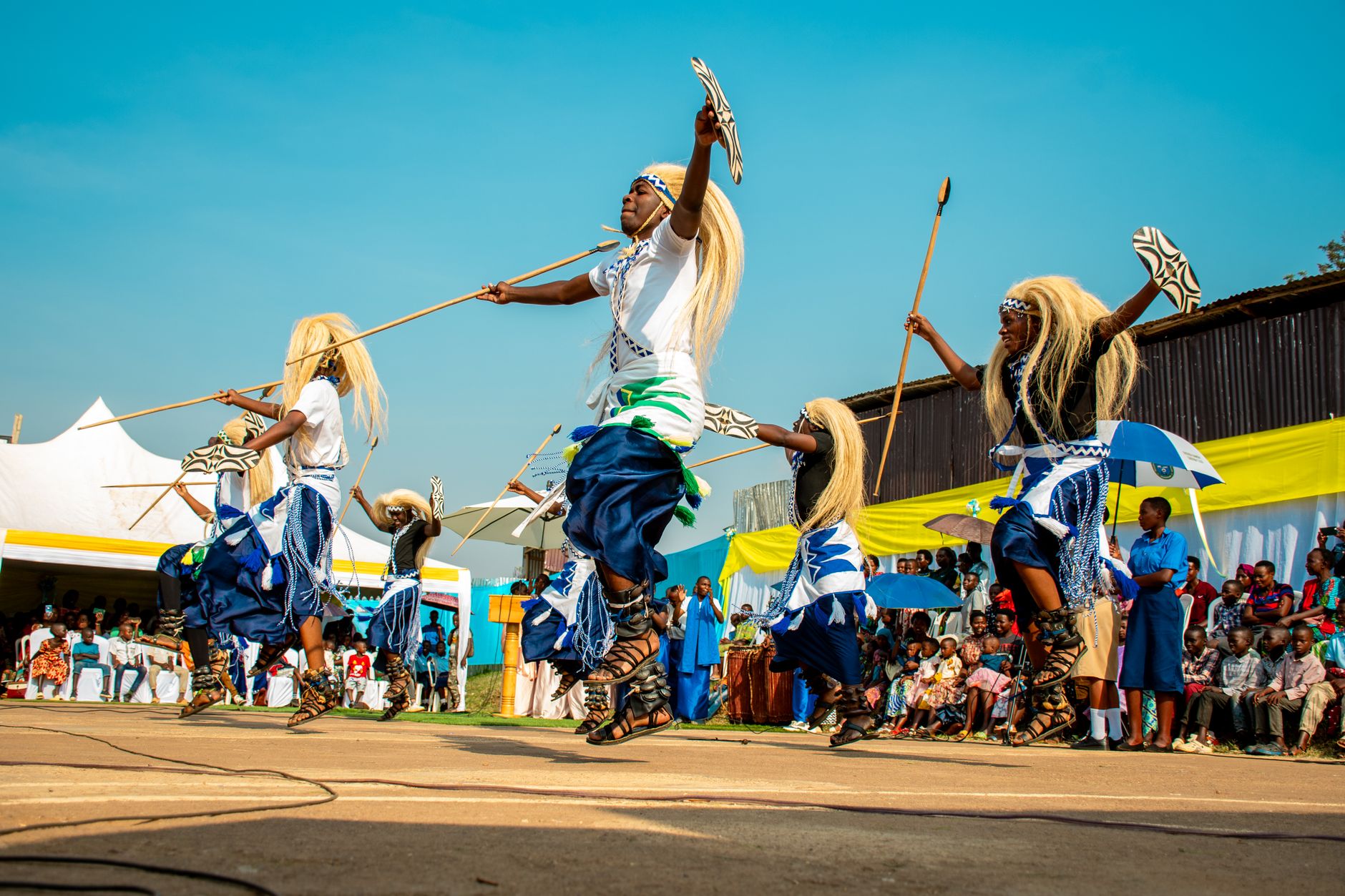
Rwandan culture includes oral traditions, poetry, drumming, dance and royal heritage. Intore dance is one of the country’s best-known cultural expressions. Cattle also hold an important symbolic place in older social and pastoral traditions.
Cuisine is based on bananas, beans, potatoes, cassava, sweet potatoes, maize, rice, vegetables and milk. Isombe, ibihaza, ubugali, matoke, brochettes and fermented milk are among frequently cited preparations.
Education, health and regional trade
Rwanda expanded access to primary education and community-based health coverage while investing in maternal and child health. Remaining challenges include teaching quality, specialised health care, youth employment, land pressure and technical training.
Rwanda in pictures