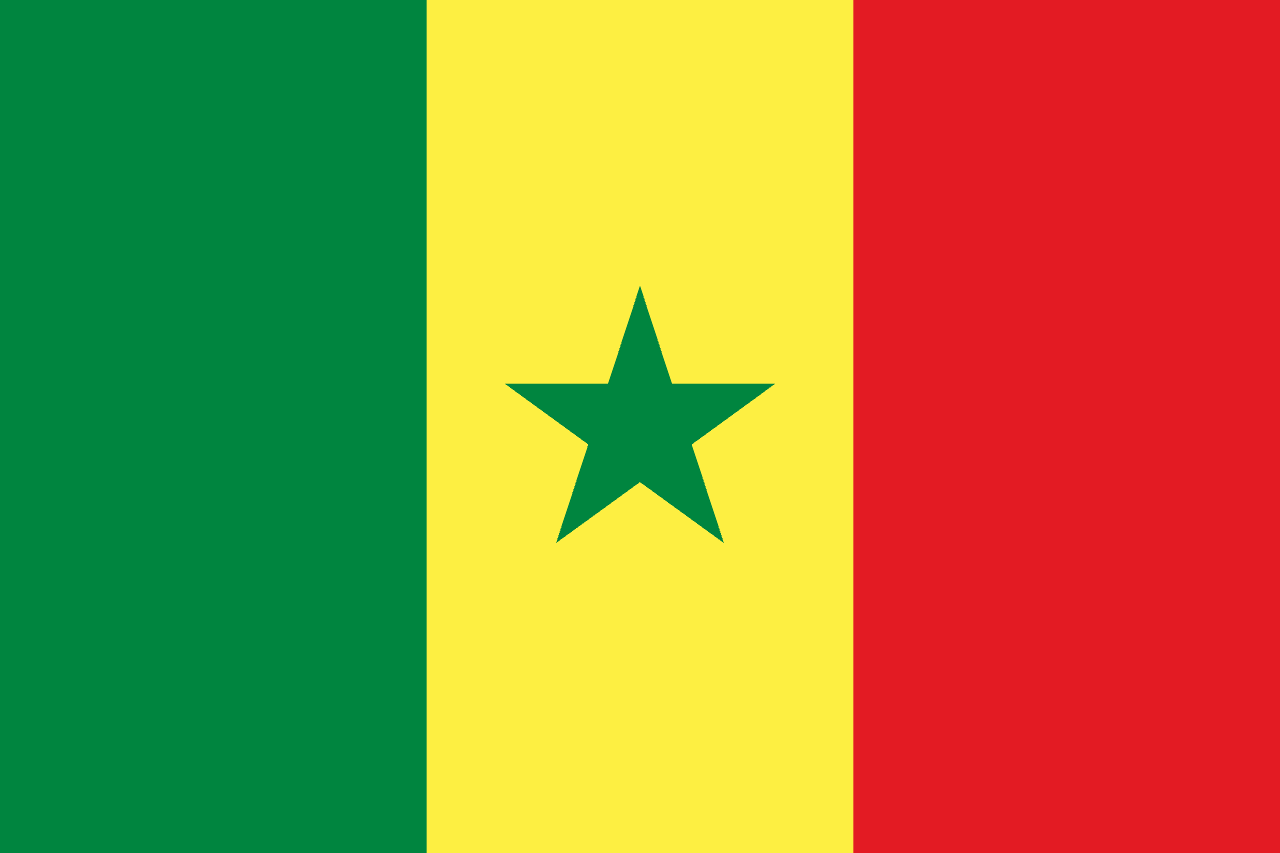
Senegal at a glance
Senegal occupies the westernmost edge of continental Africa and faces the Atlantic Ocean from the Cape Verde Peninsula to Casamance. Dakar is the capital, principal port and dominant economic and cultural centre. The country’s identity combines Atlantic trade, Sahelian and coastal landscapes, powerful religious traditions, major literary and musical influence, and a new economic chapter linked to offshore oil and gas.

Atlantic geography, river valleys and Casamance
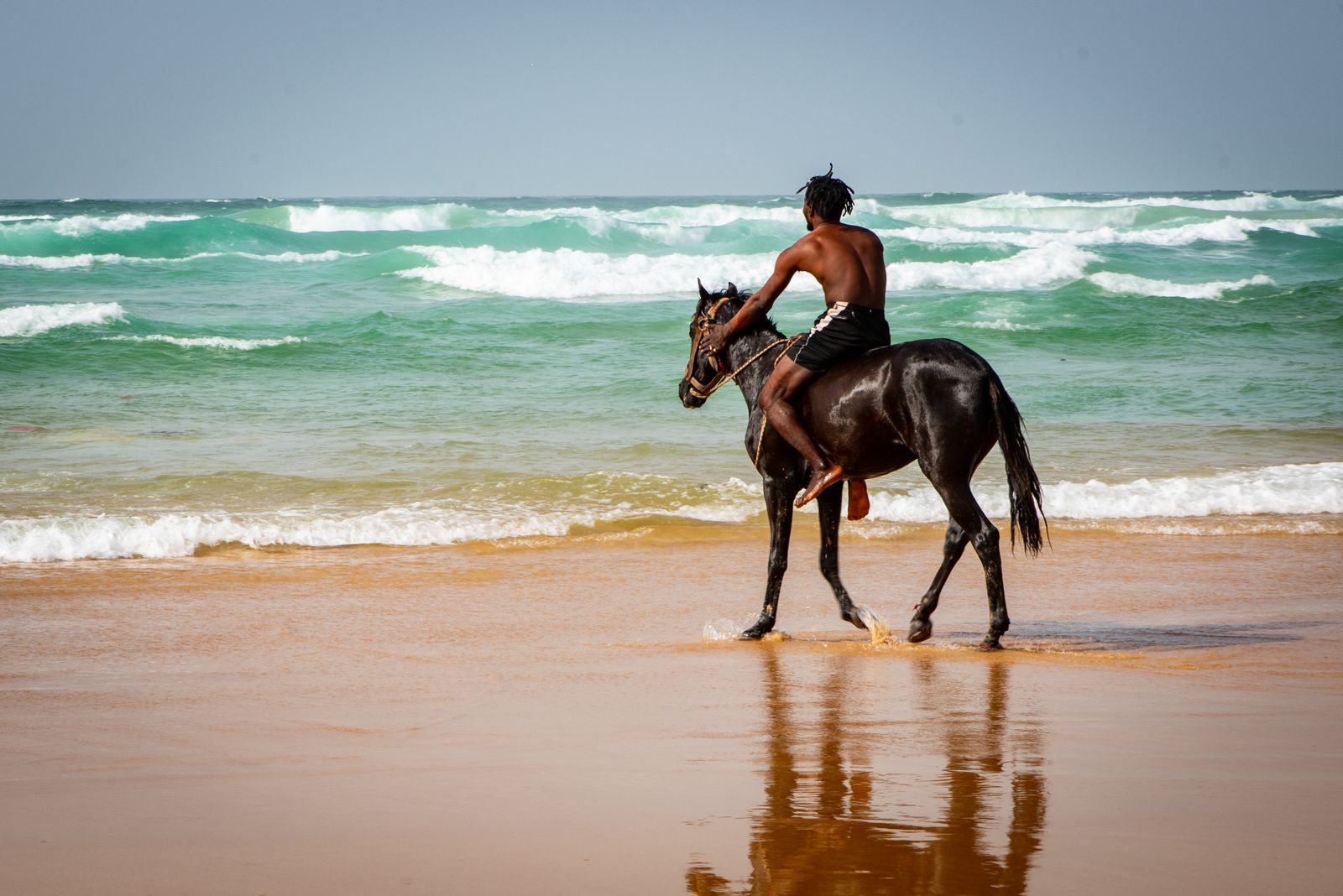
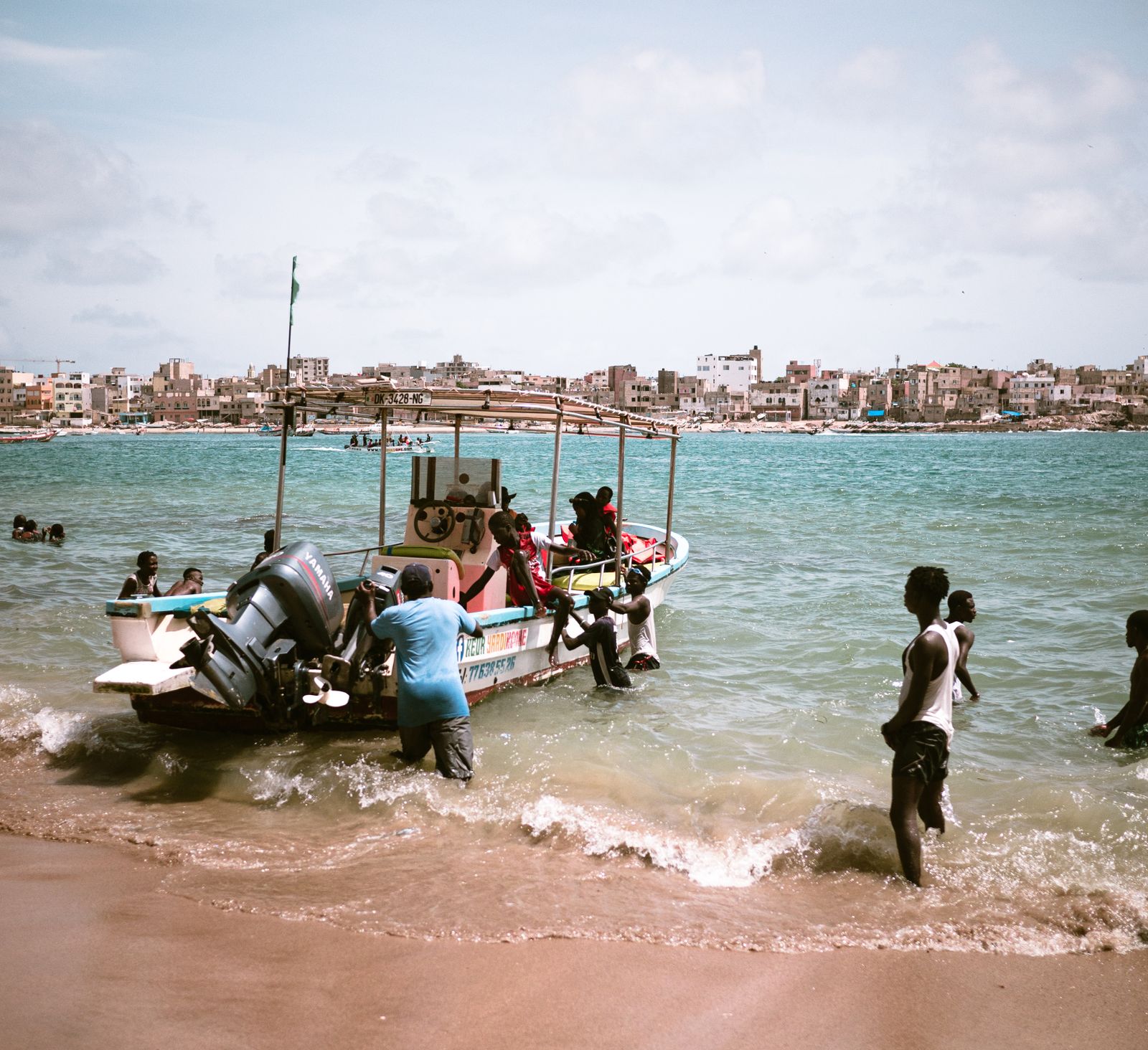
Senegal has around 530 kilometres of Atlantic coastline. Dakar occupies the Cape Verde Peninsula, while the central peanut basin, the Senegal River valley in the north, eastern savannas and the more humid Casamance in the south create distinct geographic regions. The Gambia cuts deeply into Senegalese territory and separates much of Casamance from the rest of the country.
The Saloum Delta, Casamance mangroves, Niokolo-Koba National Park and coastal reserves are major ecological assets. Climate pressures include coastal erosion, urban flooding, desertification, soil degradation and stress on marine resources.

Kingdoms, Atlantic history and independence
Before colonial rule, the region included the kingdoms of Jolof, Waalo, Cayor, Baol, Sine and Saloum, alongside Fulani, Serer, Manding, Soninke, Diola and Wolof societies. The eastern regions were linked at different times to the Ghana, Mali and Songhai spheres, while Islam spread through trade, scholarship, Sufi networks and political change.
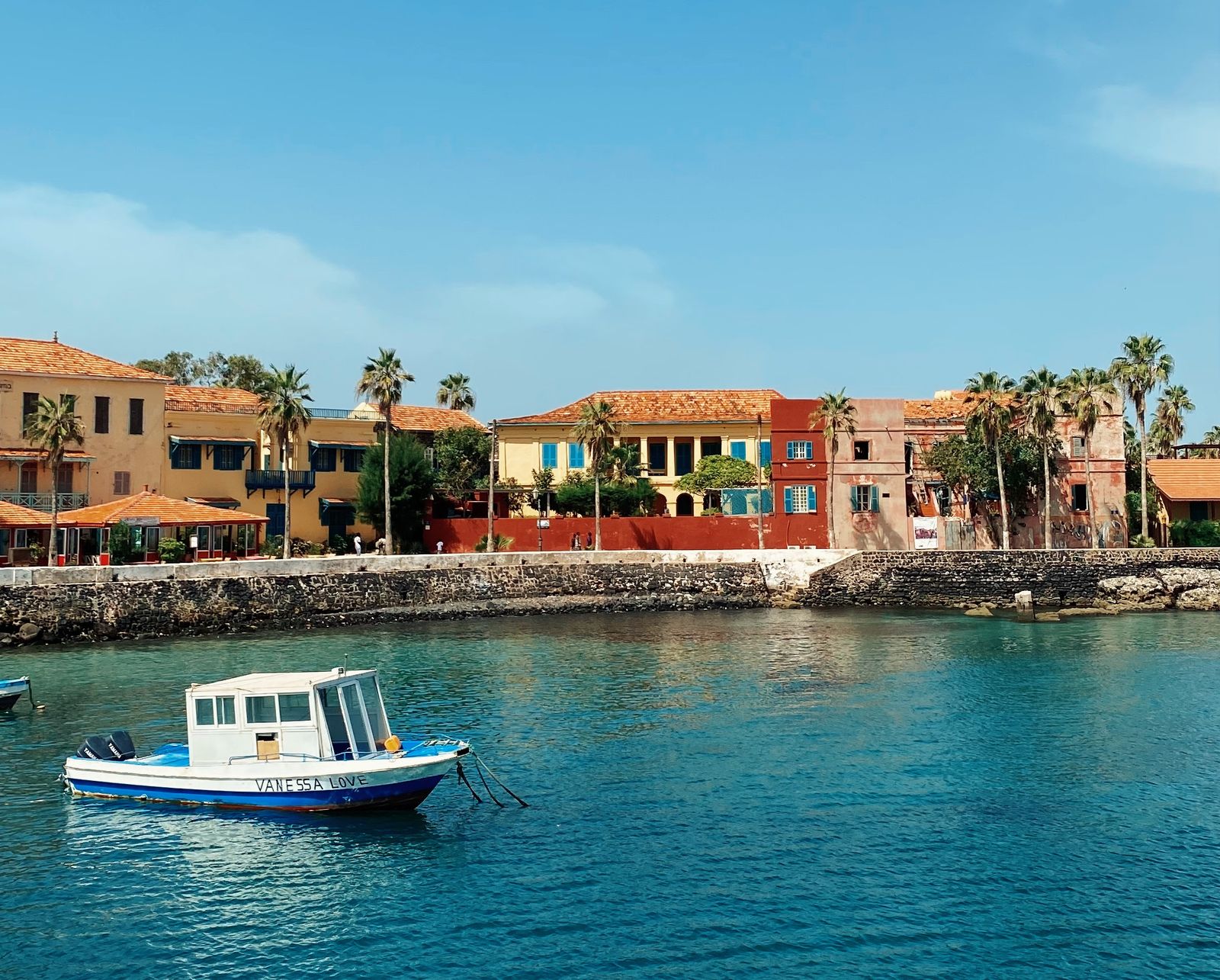
The Atlantic coast, particularly Gorée and Saint-Louis, became deeply connected to European trade and the history of the Atlantic slave trade. France later consolidated colonial control, and Dakar became one of the most important administrative and maritime centres of French West Africa. Senegal became independent on 4 April 1960, with Léopold Sédar Senghor as its first president.
People, languages and religious traditions
Senegal is culturally diverse. Wolof communities are prominent in the centre and west; Fulani and Toucouleur/Halpulaar communities have strong roots in the Senegal River valley and the east; Serer communities are important in the centre-west; Diola populations are strongly associated with Casamance; and Manding, Soninke and Lebou communities add further depth to the national social landscape.
French is the official language, but Wolof is the principal national lingua franca. Pulaar, Serer, Diola, Manding, Soninke and other languages are central to daily life. Sunni Islam is overwhelmingly predominant and is strongly organised around Sufi brotherhoods including Mouride, Tijani, Qadiriyya and Layene traditions. Christianity and indigenous beliefs are also present.
Services, trade and the Dakar economy
Senegal’s economy combines services, trade, telecommunications, agriculture, fisheries, mining, tourism, transport and increasingly hydrocarbons. Dakar concentrates finance, corporate services, universities, administration, aviation and port logistics, giving the city an important role between West Africa, Europe and the Atlantic world.
The Port of Dakar, Blaise Diagne International Airport, the express train and expanding road and digital infrastructure strengthen this regional platform role. Outside Dakar, cities such as Thiès, Touba, Saint-Louis, Kaolack, Ziguinchor, Mbour and Tambacounda structure regional economies.
Oil, gas and mineral resources
Senegal entered oil production with the offshore Sangomar field in 2024. Offshore gas projects, including Greater Tortue Ahmeyim shared with Mauritania, add a second major energy dimension. These resources can influence public revenue, electricity supply, industrial development and exports.
Agriculture, fisheries and food systems
Groundnuts remain emblematic of the central agricultural basin, while millet, sorghum, rice, maize, cowpeas, fruit, vegetables, cotton and sugarcane are also important. The Senegal River valley is increasingly significant for irrigated rice and horticulture.
Fishing is essential for food, employment and exports. Pressure on fish stocks, competition for access, climate change and coastal degradation make sustainable marine management one of the country’s most important long-term economic questions.
Cuisine
Senegalese cuisine is one of the most influential in West Africa and across its diaspora. Rice, millet, fish, groundnuts, vegetables, chicken, meat, onions and chilli feature widely. Ceebu jën, yassa, mafé, soupou kandja, domoda, lakh, thiéré and fish-filled pastels are among the country’s best-known dishes and preparations.
Cities and infrastructure
Dakar is the political, financial, university and cultural capital. Its rapid growth has created pressure on housing, traffic, drainage, land and public transport. Thiès is a major transport and industrial centre, Touba a major Mouride religious city, Saint-Louis an important historical centre and Ziguinchor the principal city of Casamance.
National infrastructure includes the Port of Dakar, Blaise Diagne International Airport, highways, the Train Express Régional and growing digital networks. These assets reinforce Senegal’s role as a logistics and services gateway for the wider region.

Literature, music, film and cultural influence
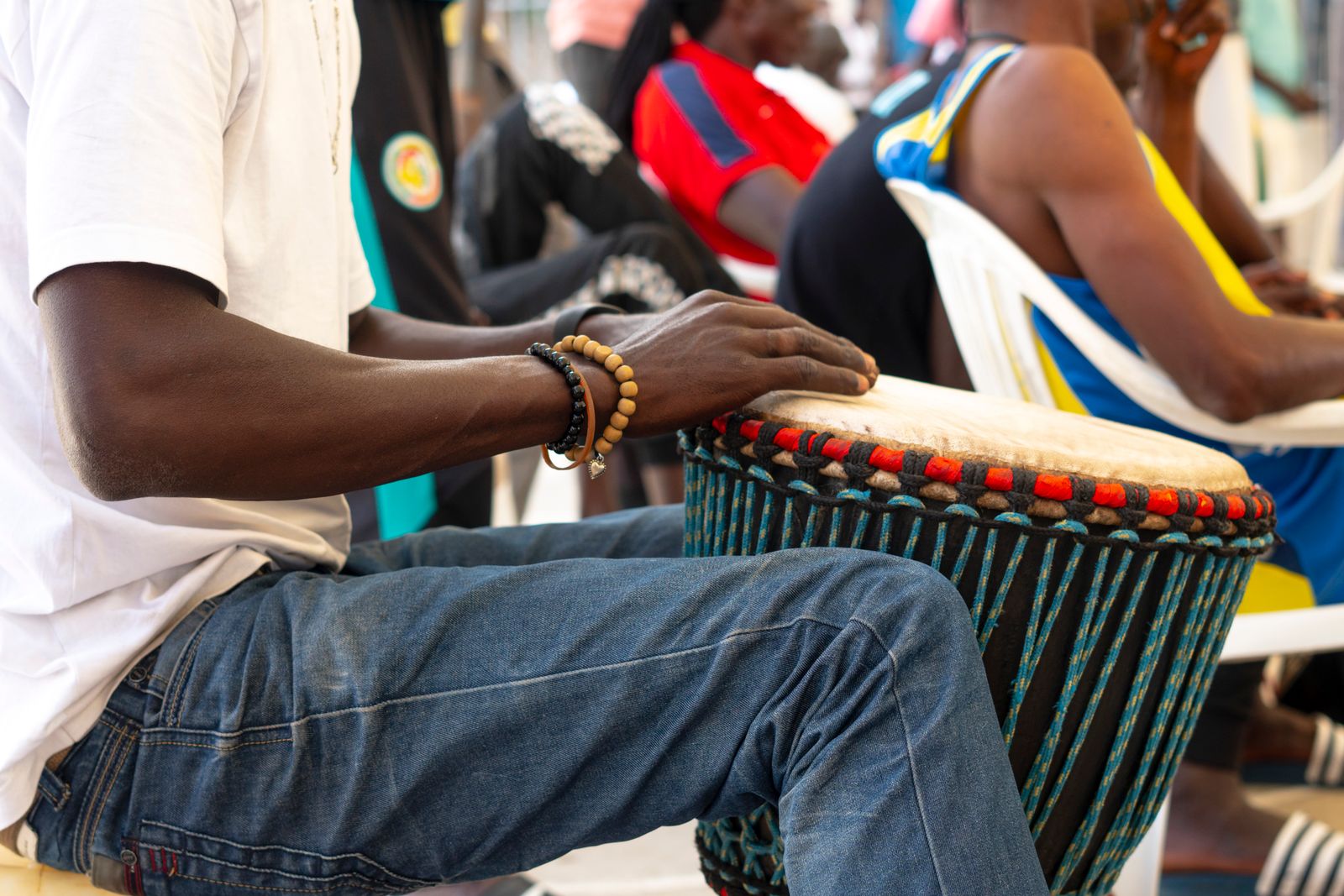
Senegal has exceptional cultural influence. Léopold Sédar Senghor, Ousmane Sembène, Cheikh Anta Diop, Mariama Bâ and Birago Diop are among the writers, filmmakers and intellectuals most closely associated with the country. Mbalax, popularised internationally by artists including Youssou N’Dour, draws on sabar percussion and Wolof musical traditions.
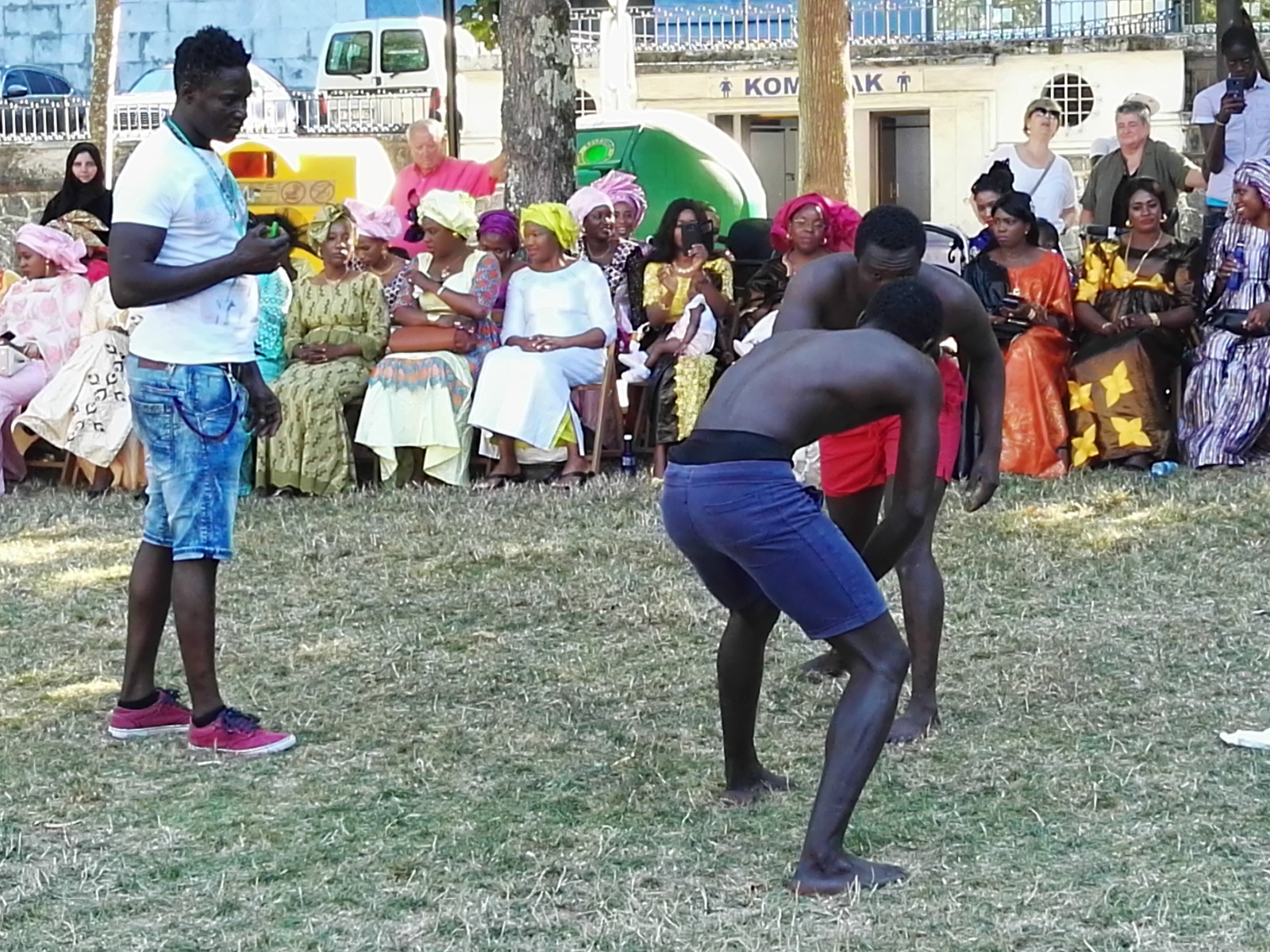
Gorée Island, Saint-Louis, the Saloum Delta, Bassari Country and Niokolo-Koba are major heritage and tourism sites, while Senegalese wrestling is simultaneously sport, spectacle and popular cultural institution.
Education, health and regional connections
Universities and higher-education institutions operate in Dakar, Saint-Louis, Ziguinchor, Thiès, Bambey and other centres. Education quality, overcrowding, vocational preparation and regional inequality remain significant challenges. Health priorities include malaria, maternal and child health, clean water, sanitation and rural access.
Senegal in pictures