Serbia at a glance
Serbia is a landlocked Balkan country at the meeting point of Central and Southeastern Europe. Belgrade, built at the confluence of the Sava and Danube rivers, is the capital and largest city. Serbia combines fertile northern plains, mountain landscapes, a strong industrial and agricultural base, Orthodox Christian heritage and a strategic position on European transport corridors.

Danube plains, mountains and continental geography
Northern Serbia is dominated by the fertile Pannonian plain of Vojvodina, while the centre, west, south and east become progressively more hilly and mountainous. The Danube is a major European transport artery, linking Serbia to Central Europe and the Black Sea. The Sava and Morava systems are also central to settlement, transport and agriculture.
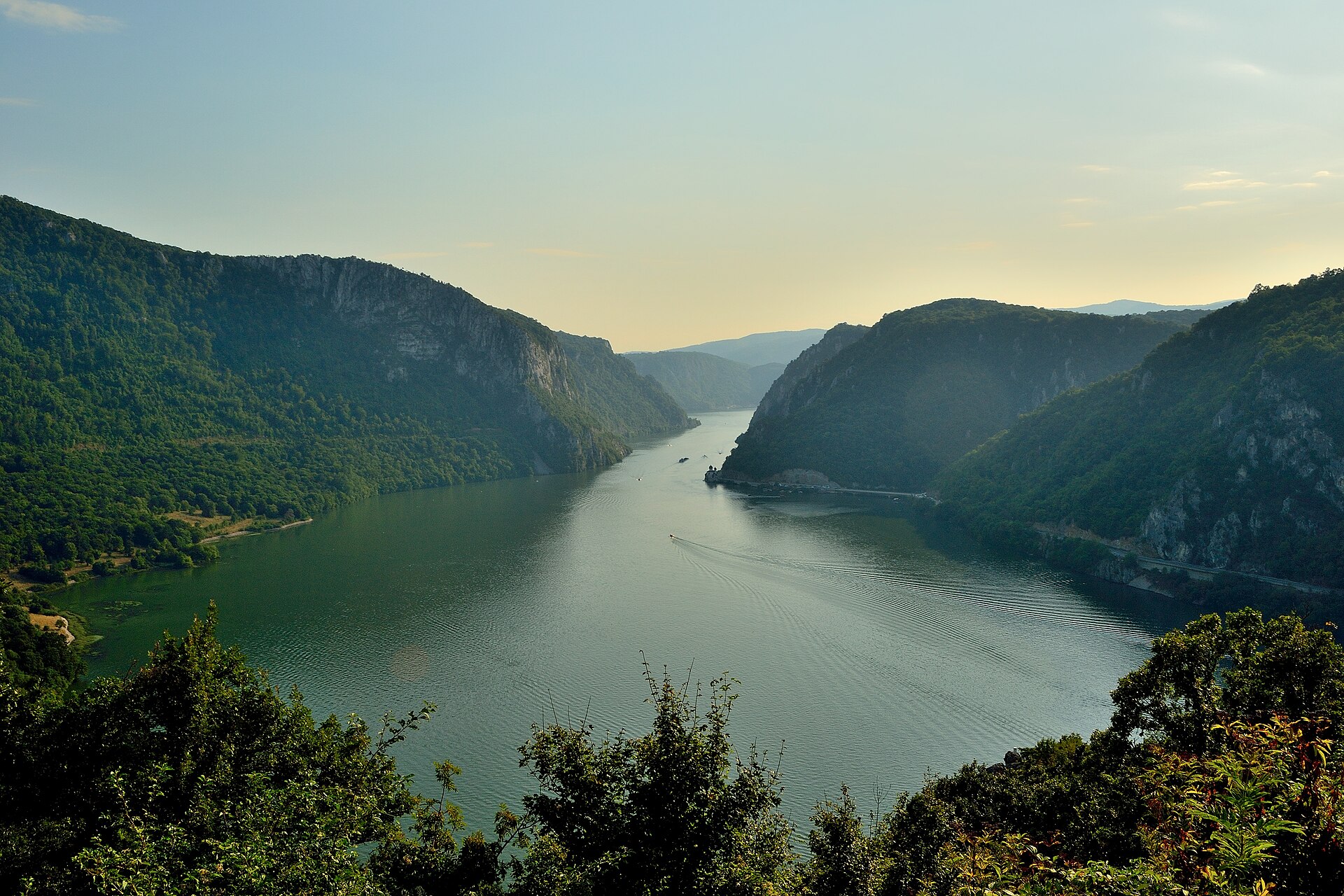
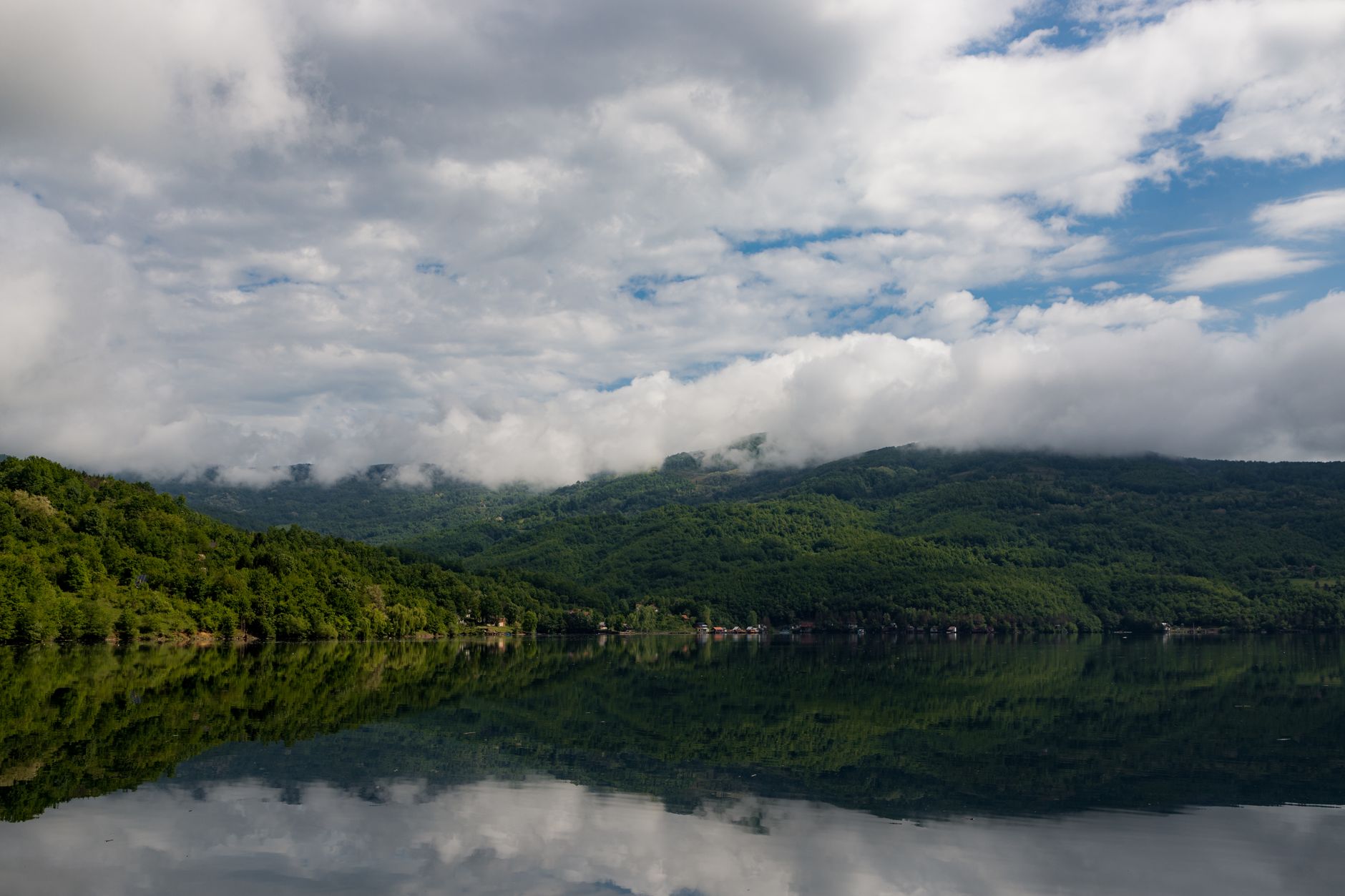
Important landscapes include the Tara, Zlatibor and Kopaonik mountains, the Iron Gates gorge on the Danube and the Uvac reserve. Serbia’s climate is predominantly continental, with cold winters and warm summers, while mountain areas experience greater snowfall and lower temperatures.
Roman heritage and medieval Serbia
The territory of present-day Serbia preserves prehistoric, Celtic, Roman and Byzantine layers. Felix Romuliana near Gamzigrad is one of the major Roman archaeological sites and is recognised by UNESCO. South Slavic peoples settled the region from the early medieval period.
Serbian principalities developed into a medieval kingdom and empire, reaching a high point under the Nemanjić dynasty and Stefan Dušan in the fourteenth century. The Serbian Orthodox Church obtained autocephaly in the thirteenth century under Saint Sava and became one of the most important institutions of Serbian cultural identity.

Ottoman rule, Habsburg influence and national revival
The Ottoman advance transformed the Balkans after the late fourteenth century, while northern Serbian populations in Vojvodina spent long periods within the Habsburg world. These overlapping histories help explain the country’s mix of Ottoman, Central European and Orthodox cultural influences.
The uprisings of 1804 and 1815 initiated the modern Serbian national revival and a gradual path toward autonomy. International recognition of Serbia’s independence followed at the Congress of Berlin in 1878.
Yugoslavia, transition and the modern state
After the First World War, Serbia became the central component of the Kingdom of Serbs, Croats and Slovenes, later renamed Yugoslavia. Following the Second World War, it became a republic within socialist Yugoslavia under Josip Broz Tito.
The disintegration of Yugoslavia in the 1990s brought wars across the region and profound political and economic disruption. After the fall of Slobodan Milošević in 2000, Serbia accelerated market reforms and European integration. The state union with Montenegro ended in 2006, establishing the present Serbian state.

Population, languages and religions
Serbia faces a long-term demographic challenge marked by population ageing, low birth rates and substantial emigration. Serbs form the majority, while Vojvodina contains Hungarian, Slovak, Romanian, Croat, Roma and Ruthenian communities. Bosniaks are particularly associated with the Sandžak region around Novi Pazar.
Serbian is the official language and is written in both Cyrillic and Latin scripts, with Cyrillic holding official constitutional status. Serbian Orthodoxy is the principal religious tradition; Catholicism is more visible in Vojvodina, while Islam is important in Sandžak and some southern areas.
Economy, industry and digital services
Serbia has a diversified economy built around manufacturing, agriculture, services, information technology, construction and foreign investment. Automotive components, mechanical industries, chemicals, pharmaceuticals, metallurgy, food processing, software and digital services are among the major sectors.
Proximity to European markets and transport corridors is a major advantage. At the same time, regional inequality, skilled emigration, energy dependence and the quality of institutions affect long-term competitiveness.

Agriculture, mining and energy
Vojvodina is one of the Balkans’ strongest agricultural areas, producing wheat, maize, sunflower, soy, sugar beet, fruit and livestock. Serbia is particularly known for raspberries and plums as well as a broad food-processing industry.
Cuisine
Serbian cuisine reflects Balkan, Ottoman, Austro-Hungarian and Mediterranean influences. Grilled meats, peppers, dairy products, bread, soups and pastries are common. Ćevapi, pljeskavica, sarma, gibanica, ajvar, kajmak, pasulj and fruit-based rakija are among the best-known foods and drinks.
Belgrade, Novi Sad and infrastructure
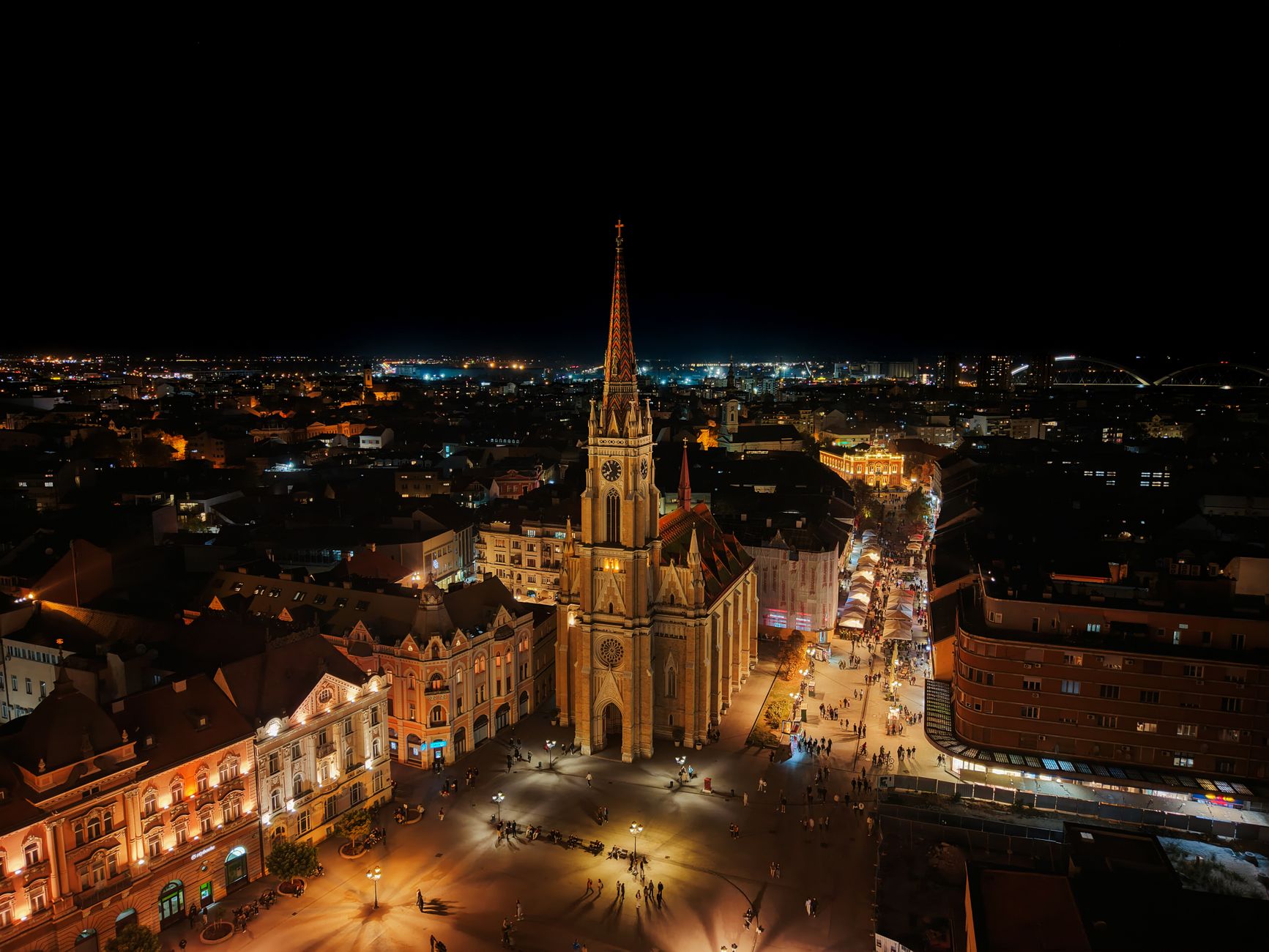
Belgrade is the political, financial, university and cultural centre, with a strategic position on the Sava and Danube. Novi Sad is the main city of Vojvodina and a major cultural and economic centre. Niš is a transport hub on historic routes toward Bulgaria, Greece and Turkey.
European road and rail corridors cross Serbia. Modernisation of railways, highways, urban transport and energy systems is central to logistics and to Serbia’s economic integration with the wider European market.

Culture and heritage
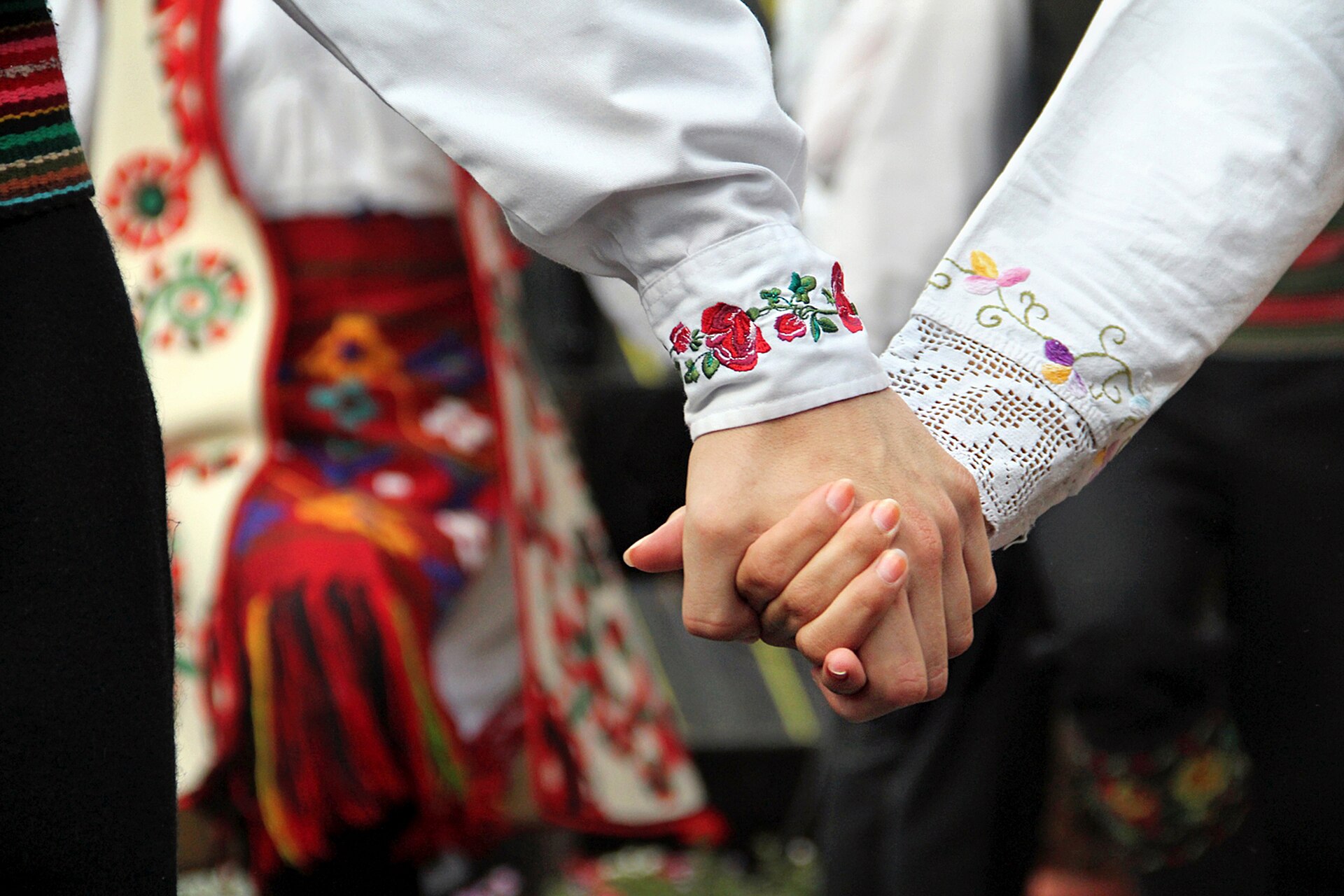
Serbia’s cultural landscape combines Roman, Byzantine, Ottoman, Habsburg and Yugoslav legacies. Orthodox monasteries such as Studenica, Sopoćani and Žiča are major heritage sites. Slava, epic singing, brass music and kolo dance remain important cultural traditions.
Education, health and European connections
Major universities operate in Belgrade, Novi Sad, Niš and Kragujevac, and Serbia has a strong pool of engineering and IT skills. The health system is mainly public but faces regional disparities, ageing infrastructure and workforce pressures.
Serbia in pictures