Slovenia at a glance
Slovenia is a small Central European country where the Alps, Dinaric karst, Pannonian plain and Mediterranean world meet. Ljubljana is the capital and largest city. Despite its size, Slovenia combines advanced manufacturing, logistics, tourism, forests, alpine lakes, caves and a short Adriatic coastline.
Alps, Karst, Pannonian plain and Adriatic coast
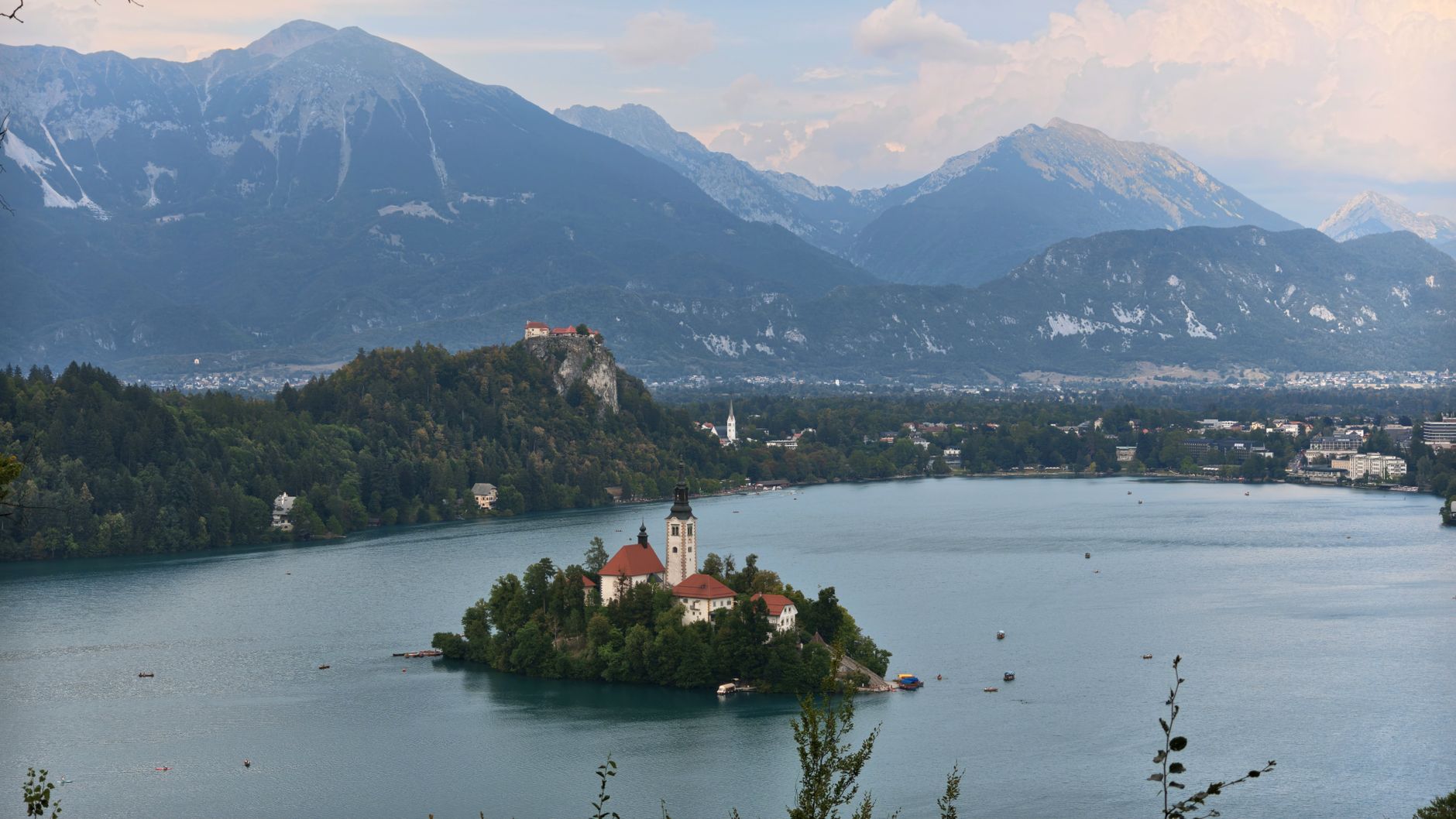
Slovenia lies at the meeting point of four major European geographic zones. The Julian Alps and Kamnik-Savinja Alps rise in the northwest, the Karst defines the southwest, the Pannonian plain shapes the east and a short Adriatic coastline opens around Koper, Izola and Piran.
Mount Triglav, at 2,864 metres, is the national symbol and highest point. More than half of Slovenia is forested, giving the country one of Europe’s strongest woodland identities. Lake Bled, Lake Bohinj and Triglav National Park are among its emblematic landscapes.

Climate, forests and environmental identity
Climate varies from alpine conditions in the northwest to continental patterns in the centre and east and Mediterranean influences near the coast. This diversity supports forestry, agriculture, viticulture, alpine tourism, thermal tourism and Adriatic travel.
Slovenia places strong emphasis on forest, water and landscape protection. Its karst caves, alpine lakes and mountain ecosystems are central both to national identity and to the tourism economy.
Prehistoric heritage and Roman crossroads
The territory preserves remarkable prehistoric evidence. The Divje Babe flute is often presented as one of the world’s oldest known musical instruments, while the Ljubljana Marshes yielded an exceptionally old wooden wheel. These discoveries point to very early human settlement and technological development.
During antiquity, Roman routes crossed the region between Italy, the Balkans and Central Europe. South Slavic settlement expanded in the sixth and seventh centuries, and the principality of Carantania became one of the early Slavic political formations of the region.
Habsburg centuries, Yugoslavia and independence
Much of the Slovenian territory spent centuries within the Habsburg sphere, shaping administration, architecture and economic links with Central Europe. After the First World War, Slovenia joined the Kingdom of Serbs, Croats and Slovenes and later became a republic within socialist Yugoslavia.
Slovenia was the most industrialised and prosperous republic of socialist Yugoslavia. It declared independence in June 1991. The Ten-Day War was brief compared with later conflicts elsewhere in the former federation, allowing Slovenia to consolidate statehood rapidly and pursue European integration.
Population, languages and social landscape
With just over two million inhabitants, Slovenia is one of Europe’s smaller states. Like many Central European countries, it faces population ageing and relatively low birth rates. Slovene is the national and official language.
Italian and Hungarian have official local status in designated border municipalities, reflecting historic minorities in the Slovenian Istrian and Prekmurje regions. Catholicism is historically the dominant religious tradition, although the country is increasingly secular.

Economy, industry and innovation
Slovenia has one of Central Europe’s more developed economies. Manufacturing and services are central, with automotive, pharmaceutical, electrical, metallurgical and engineering industries supported by strong trade links to neighbouring European markets.
Tourism, finance, logistics, forestry, agriculture and technology also contribute. Slovenia’s location between Italy, Austria, Hungary and Croatia gives it a strategic role in Central European trade and transport.
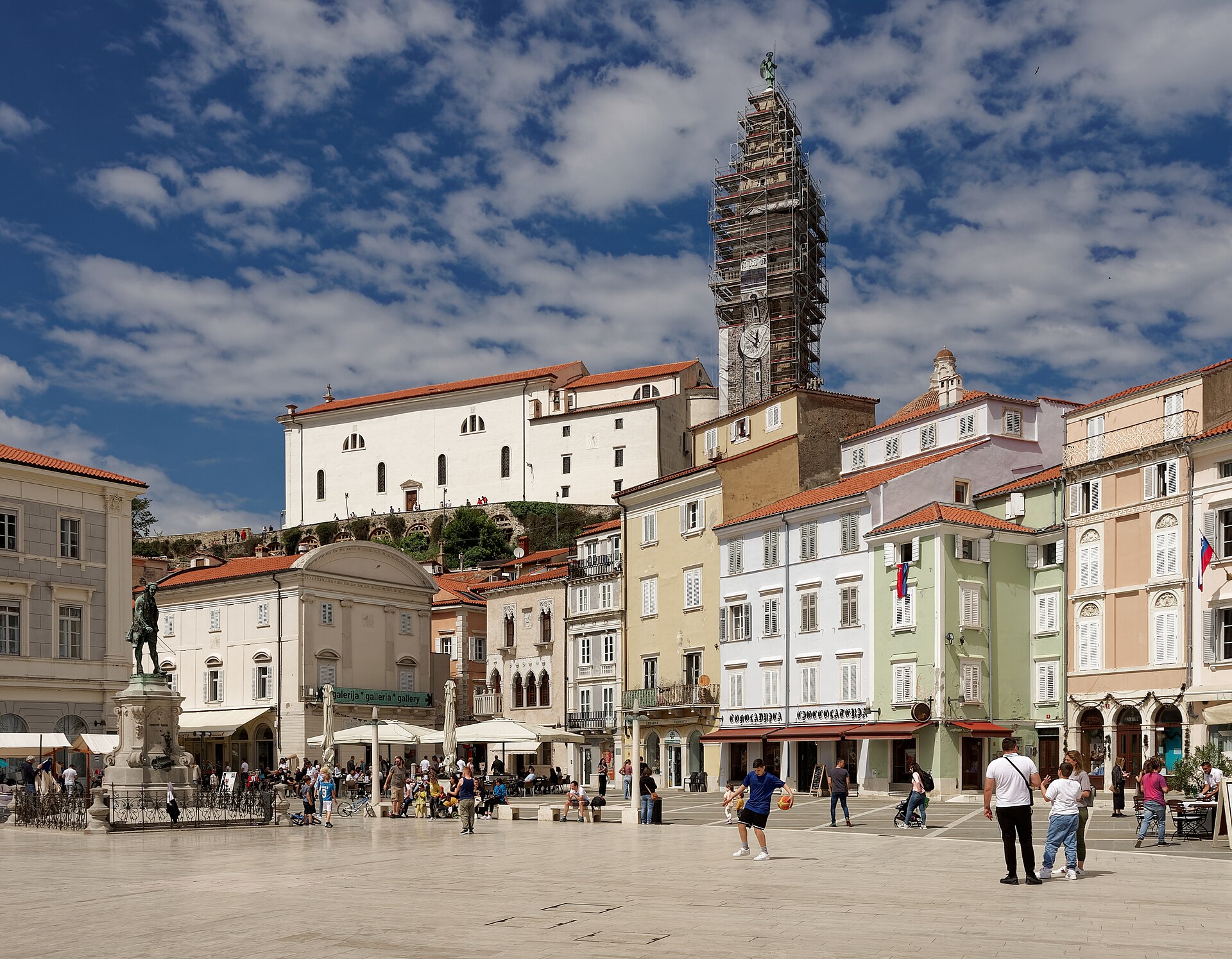
Ljubljana, Koper and transport corridors
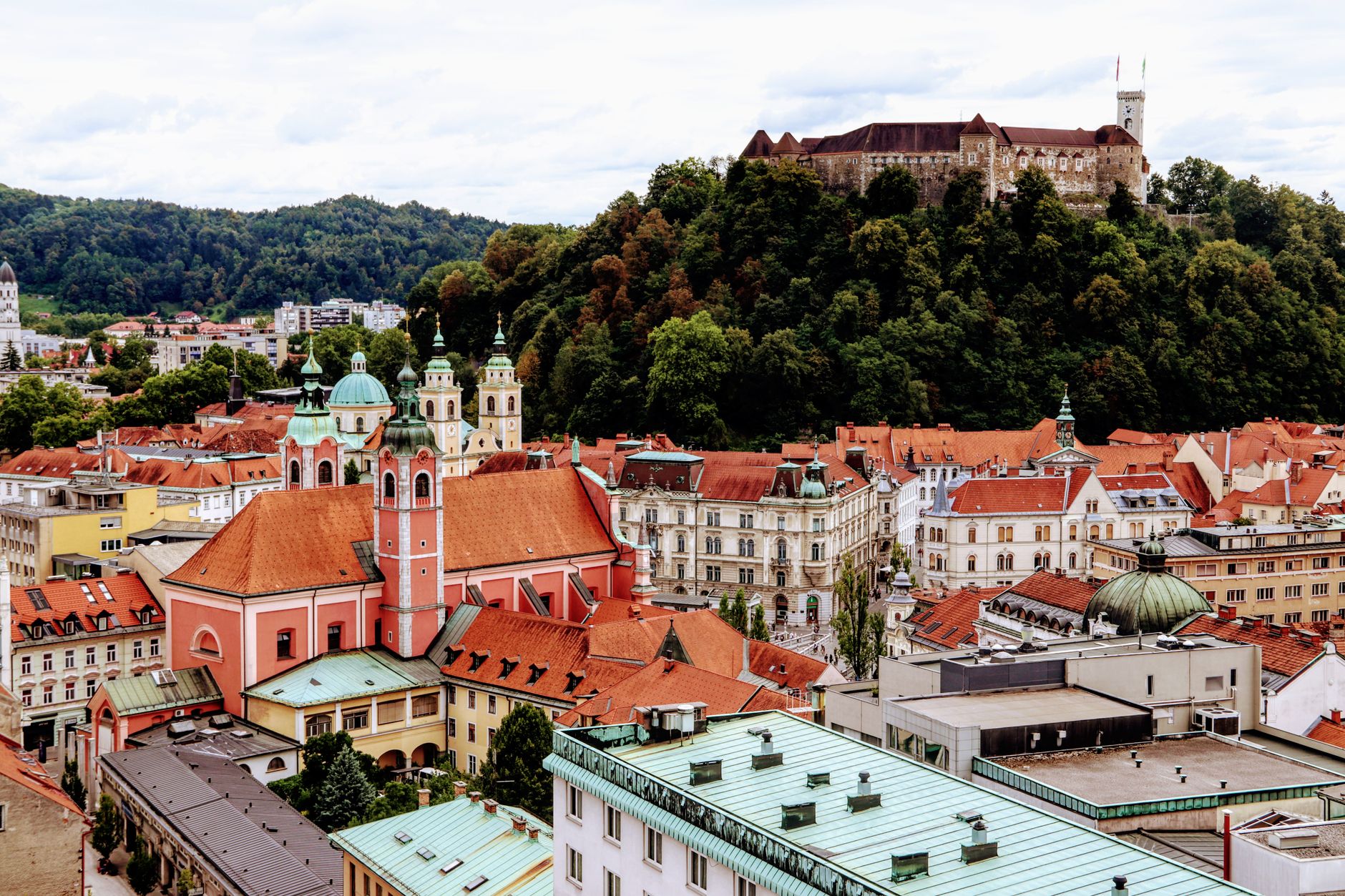
Ljubljana concentrates national institutions, universities, business services and a large share of the country’s creative and cultural life. Maribor is the second major urban centre and is closely associated with industry and wine. Celje, Kranj, Novo Mesto and Nova Gorica are other important regional cities.
Koper is the country’s principal port and a major logistics gateway for Central Europe. Slovenia’s motorway network connects Italy, Austria, Hungary and Croatia, reinforcing the country’s position between the Adriatic and inland European markets.
Agriculture, wine and regional food traditions
Agriculture is diverse despite the country’s small size. Alpine livestock production, forests, vineyards and the more agricultural eastern plains all contribute to regional food systems. Wine regions include Štajerska, Primorska and Dolenjska.
Slovenian cuisine blends Alpine, Mediterranean, Austro-Hungarian and Balkan influences. Potica, Kranjska klobasa, štruklji and jota are among the best-known foods, alongside alpine cheeses, cured meats and regional wines.
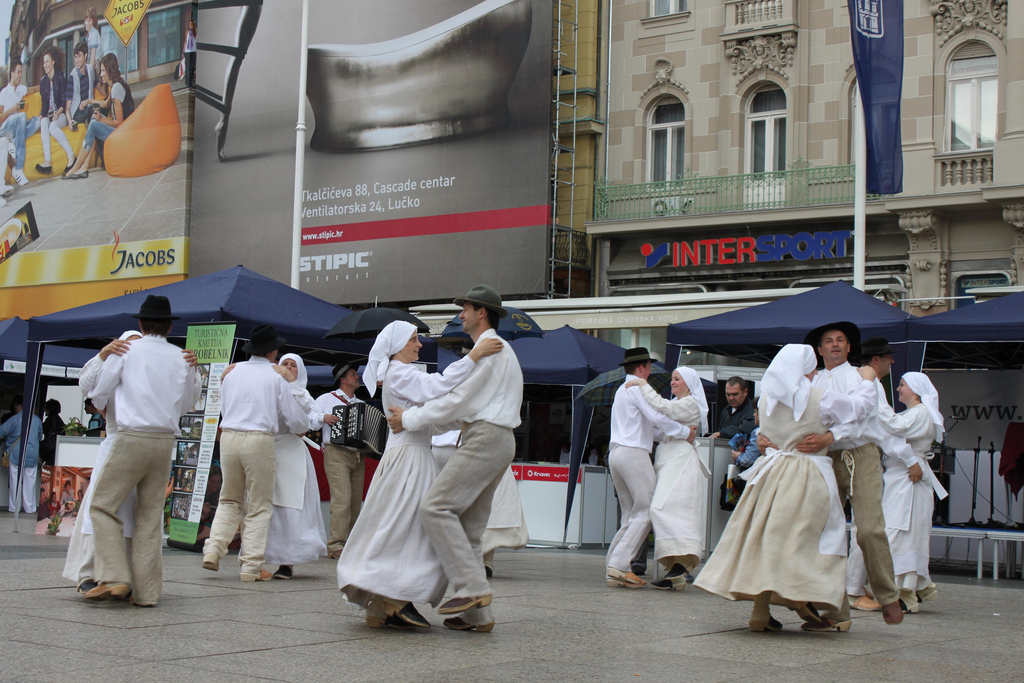
Culture, caves and quality of place
Slovenian cultural identity is closely linked to the Slovene language, literature, music and regional folklore. Triglav functions as a powerful national symbol, while alpine and rural traditions remain visible in architecture, festivals and tourism.
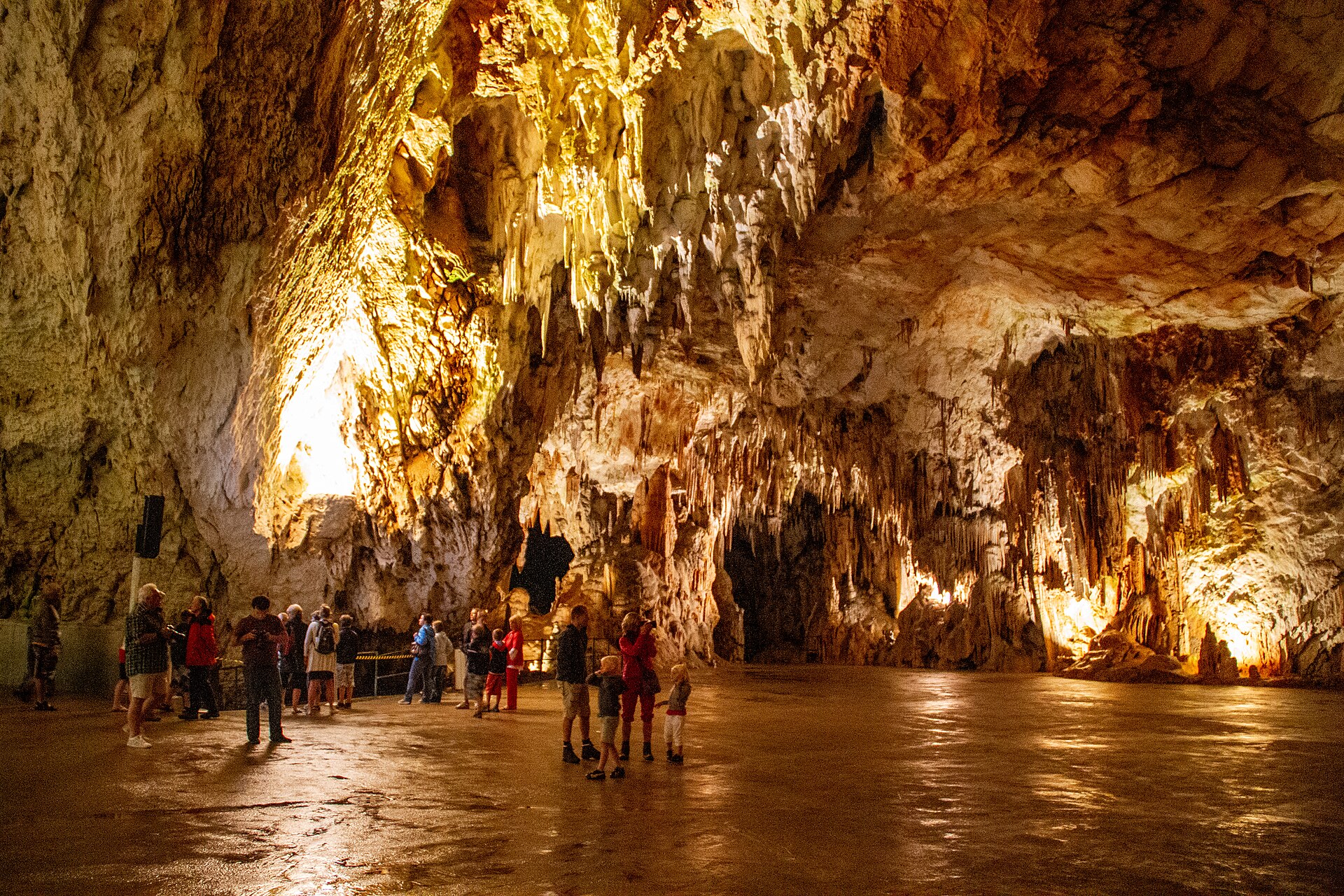
The Postojna and Škocjan cave systems illustrate the significance of the Slovenian Karst, whose name became the international geological term for limestone landscapes shaped by underground drainage.
Education, health and European integration
Slovenia has a highly developed education and health system for its size and income level. Ljubljana and Maribor are major university centres, while the country’s industrial base benefits from strong technical skills and integration with European supply chains.

Slovenia in pictures