
Switzerland at a glance
Switzerland is a federal Alpine country in Central Europe known for direct democracy, cantonal autonomy, multilingualism, high-value industry, finance and long-standing neutrality. Bern is the federal city, Zurich the largest city and principal financial centre, while Geneva is one of the world’s major diplomatic hubs.
Alps, Plateau and Jura
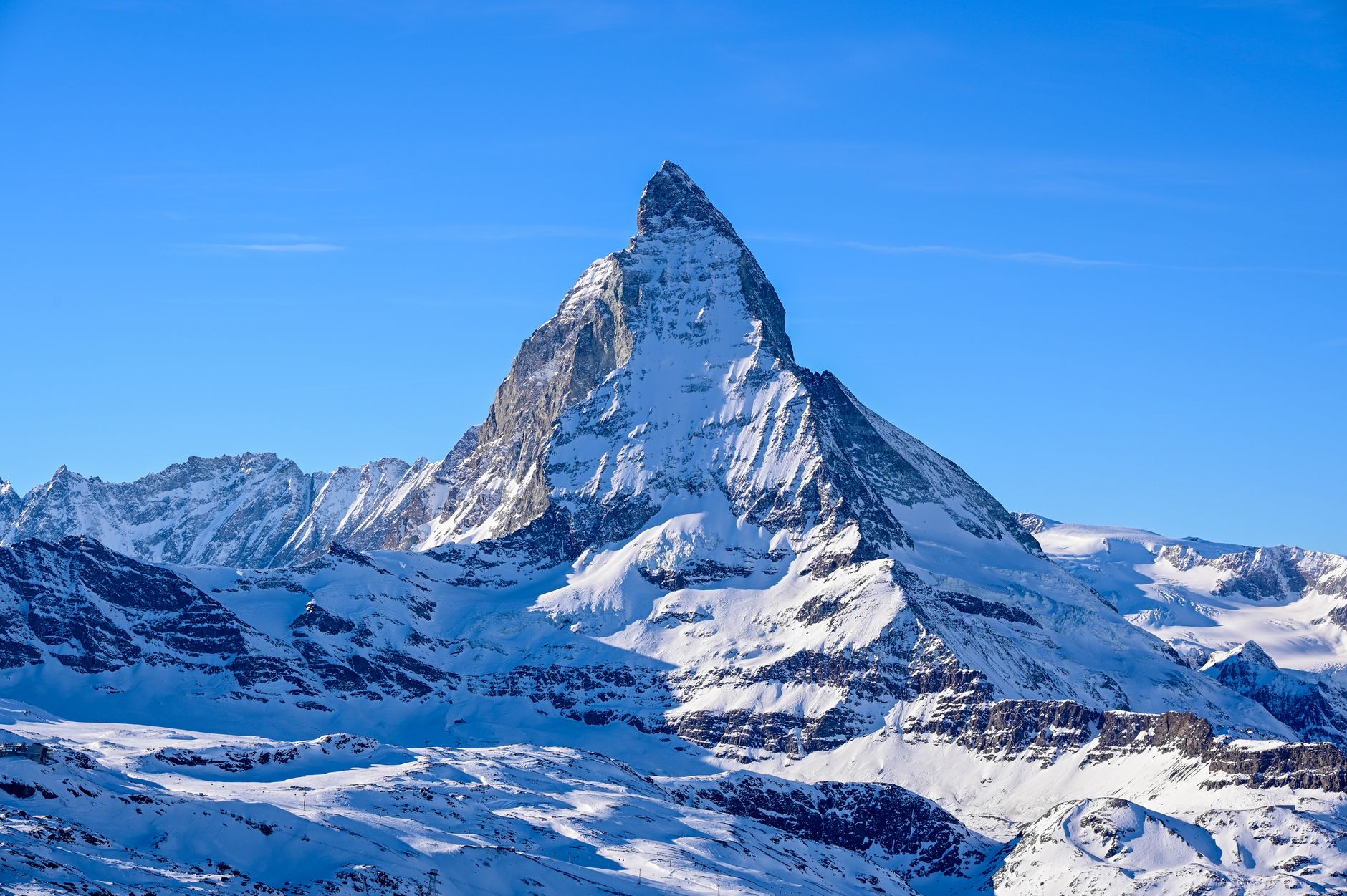
Switzerland is organised around three major geographic zones. The Alps dominate the south, the densely populated Swiss Plateau crosses the centre between Lake Geneva and Lake Constance, and the Jura forms a lower mountain arc along the northwest.
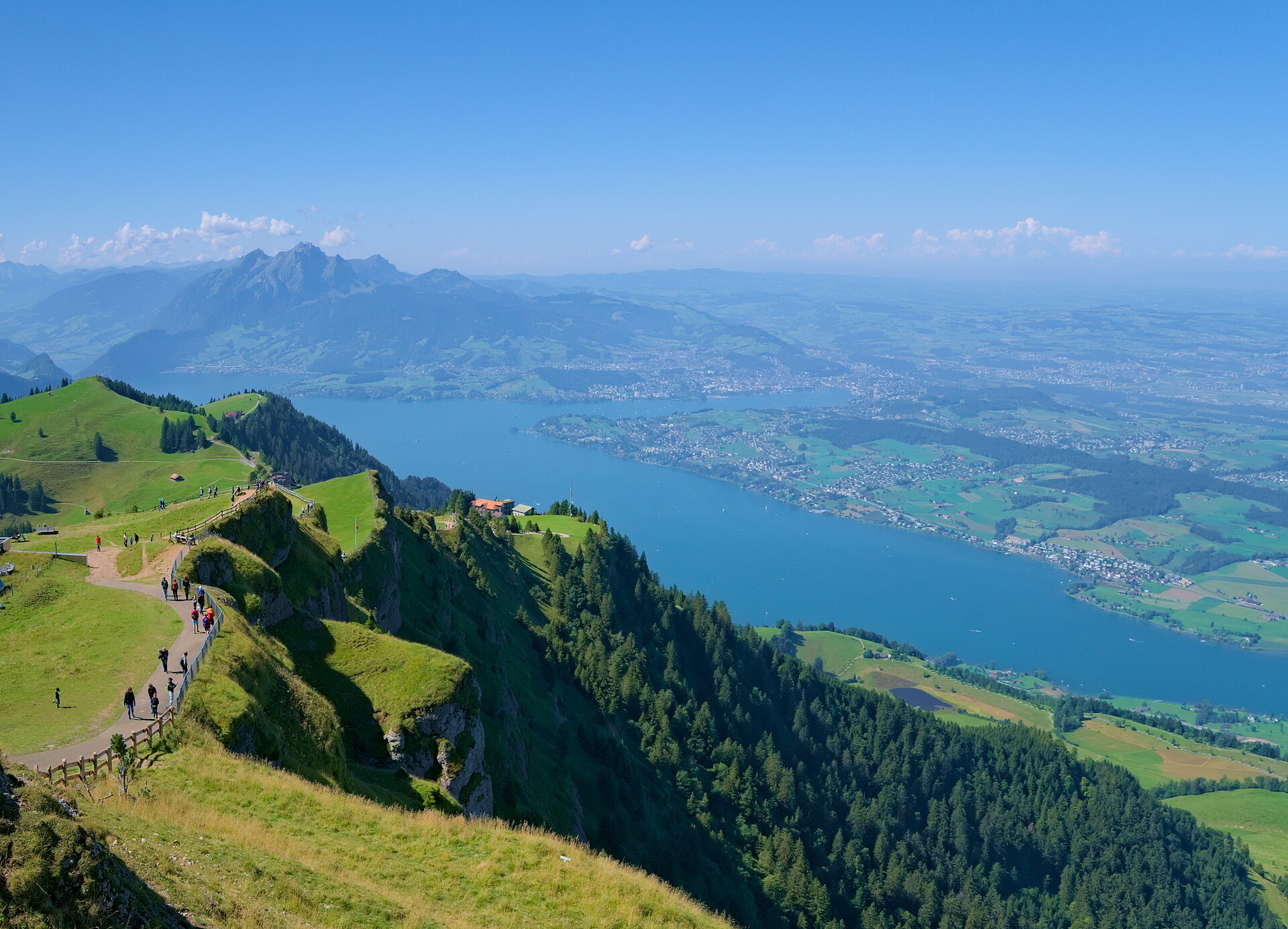
The Matterhorn, Jungfrau and Gotthard region are among the country’s most recognisable alpine landmarks. Lakes Geneva, Constance, Maggiore, Zurich and Lucerne structure settlement, transport and tourism. The Rhine, Rhône, Aare and Ticino all originate or gather headwaters in the Swiss Alps, giving the country major hydrological importance for Europe.
Climate, glaciers and mountain resilience
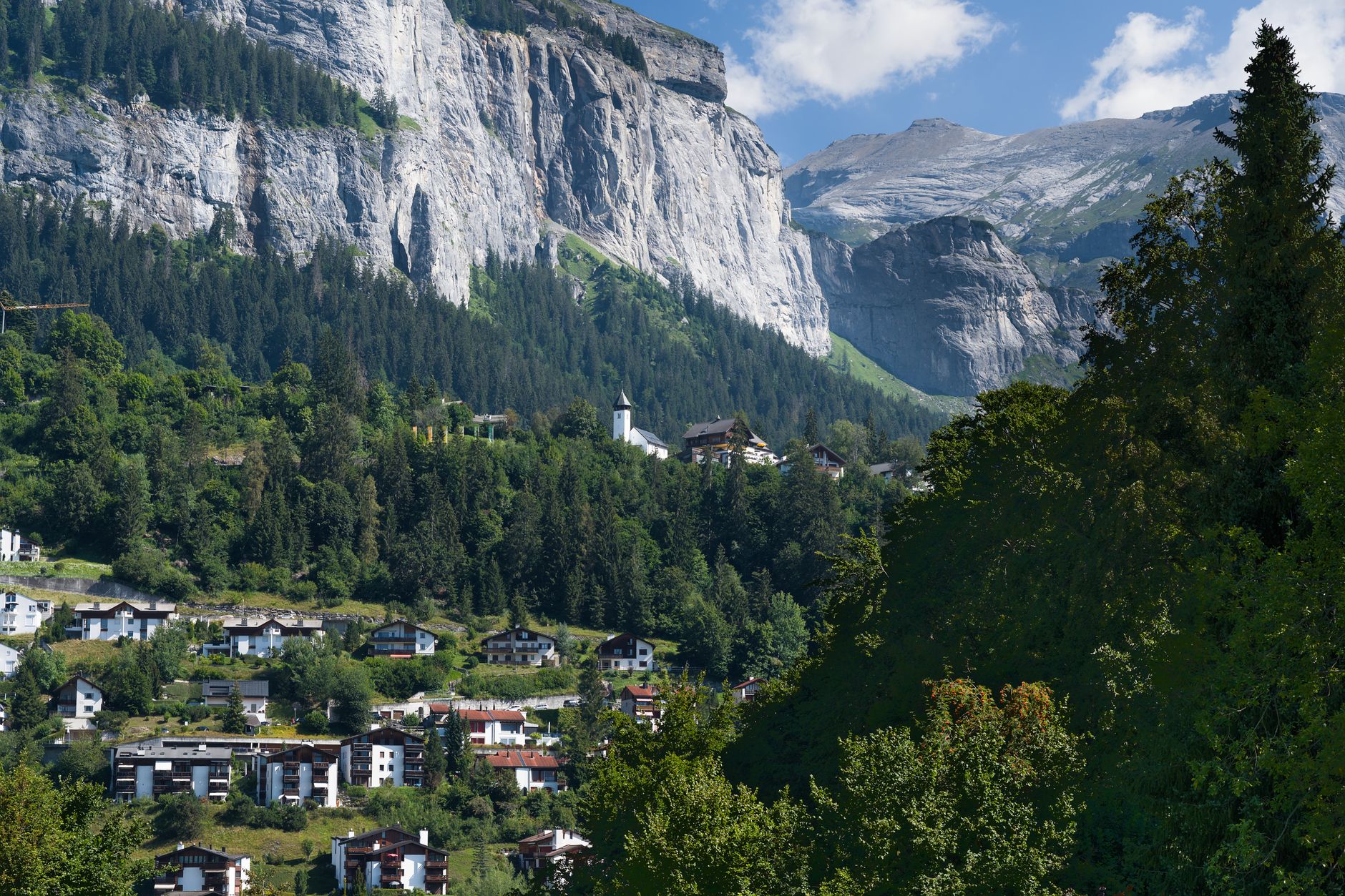
Climate varies sharply with altitude and exposure. The Plateau is generally temperate and humid, high mountain areas are alpine, and Ticino has a milder climate with stronger Mediterranean influence.
Retreating glaciers, thawing permafrost, rockfall risk, flooding and changing water availability are major environmental concerns. Because alpine snow and glaciers feed large European river systems, these changes matter well beyond Switzerland’s borders.
Confederation, neutrality and the modern federal state
The symbolic origin of the Swiss Confederation lies in the Federal Charter of 1291, associated with Uri, Schwyz and Unterwalden. Other cantons gradually joined a loose confederation that developed distinctive traditions of local autonomy.
Swiss independence from the Holy Roman Empire was formally recognised in the seventeenth century. The Napoleonic period reshaped cantonal relations, and the Federal Constitution of 1848 created the modern federal state with national institutions while preserving strong cantonal powers.
Neutrality, internationally recognised in the nineteenth century, became a defining feature of foreign policy. Switzerland remained outside both world wars and developed a major humanitarian and diplomatic role, especially through Geneva and the International Committee of the Red Cross.

Direct democracy and the cantons
Switzerland is a federal democracy with twenty-six cantons. The executive is a seven-member Federal Council elected by the Federal Assembly, with a rotating annual presidency rather than a single permanent head of government.
Referendums and popular initiatives give citizens an unusually direct role in federal, cantonal and municipal decision-making. Cantons retain extensive powers in taxation, education, policing, justice and public services, making federalism a practical part of everyday governance.
Population, languages and cultural regions
Switzerland’s population is highly international, with a substantial share of foreign residents. German is spoken by the majority, French dominates the west, Italian is important in Ticino and southern Graubünden, and Romansh survives as a minority language in parts of Graubünden.
Catholic and Protestant traditions shaped Swiss history, while contemporary society is increasingly secular and includes Muslim, Orthodox and other religious communities. The coexistence of linguistic regions is one of the defining features of national identity.
Pharmaceuticals, finance and precision industry
Switzerland has one of the world’s highest-income economies. Pharmaceuticals and chemicals, watches and precision instruments, machinery, industrial technologies, banking, insurance, commodity trading and tourism are central sectors.
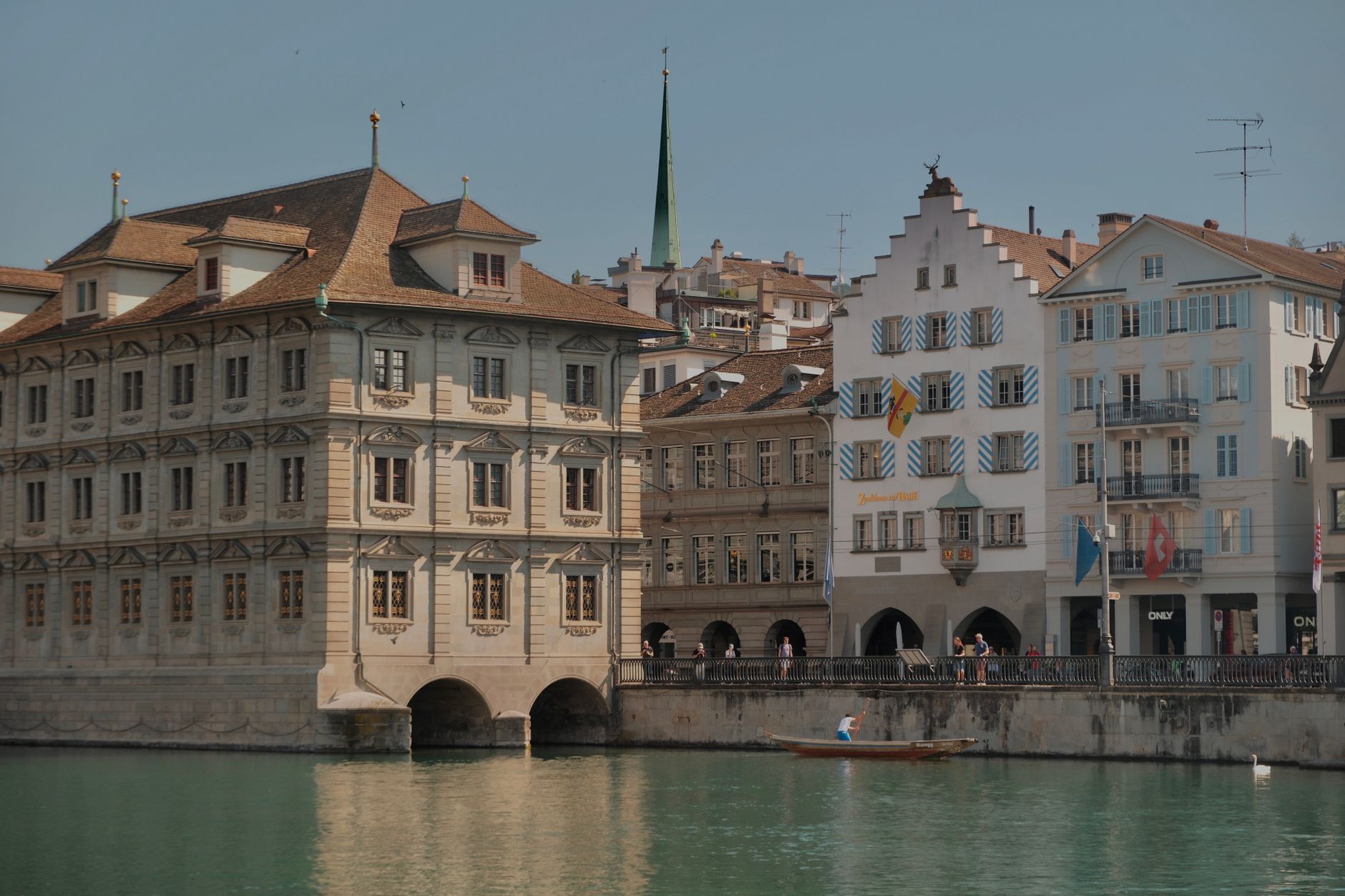
Zurich is the principal financial and corporate centre, Geneva combines banking with diplomacy and international organisations, and Basel is strongly associated with pharmaceuticals, chemicals and research. The economy is exceptionally open and export-oriented, making access to international markets strategically important.
Rail, tunnels and continental connectivity
Switzerland has one of the most intensive rail networks in the world. The Gotthard corridor has long linked northern Europe to Italy, and the Gotthard Base Tunnel, opened in 2016, reinforced the country’s position as a major trans-Alpine transport axis.
International airports at Zurich, Geneva and Basel-Mulhouse connect the country globally, while integrated public transport links cities, mountain valleys and tourism regions at unusually high frequency.
Cuisine and regional identity
Swiss cuisine reflects German-speaking, French-speaking, Italian-speaking and Alpine traditions. Fondue, raclette and rösti are internationally recognised, while Gruyère, Emmental and Appenzeller represent important regional cheese traditions. Chocolate, cured meats and regional baking also contribute to the country’s culinary identity.

Cities, diplomacy and research
Zurich leads finance and business services; Geneva is a major centre of diplomacy, international organisations and banking; Basel is closely associated with life sciences; Lausanne is a university and international-sports centre; and Bern is the federal city.
The University of Basel, founded in 1460, symbolises a long academic tradition, while contemporary research institutions and private laboratories support a high-value innovation economy.
Europe and international relations
Switzerland is not a member of the European Union but is economically integrated with the surrounding European market through a dense network of bilateral agreements and trade links. It joined the United Nations in 2002 and maintains a major international diplomatic role from Geneva.

Switzerland in pictures