Togo at a glance
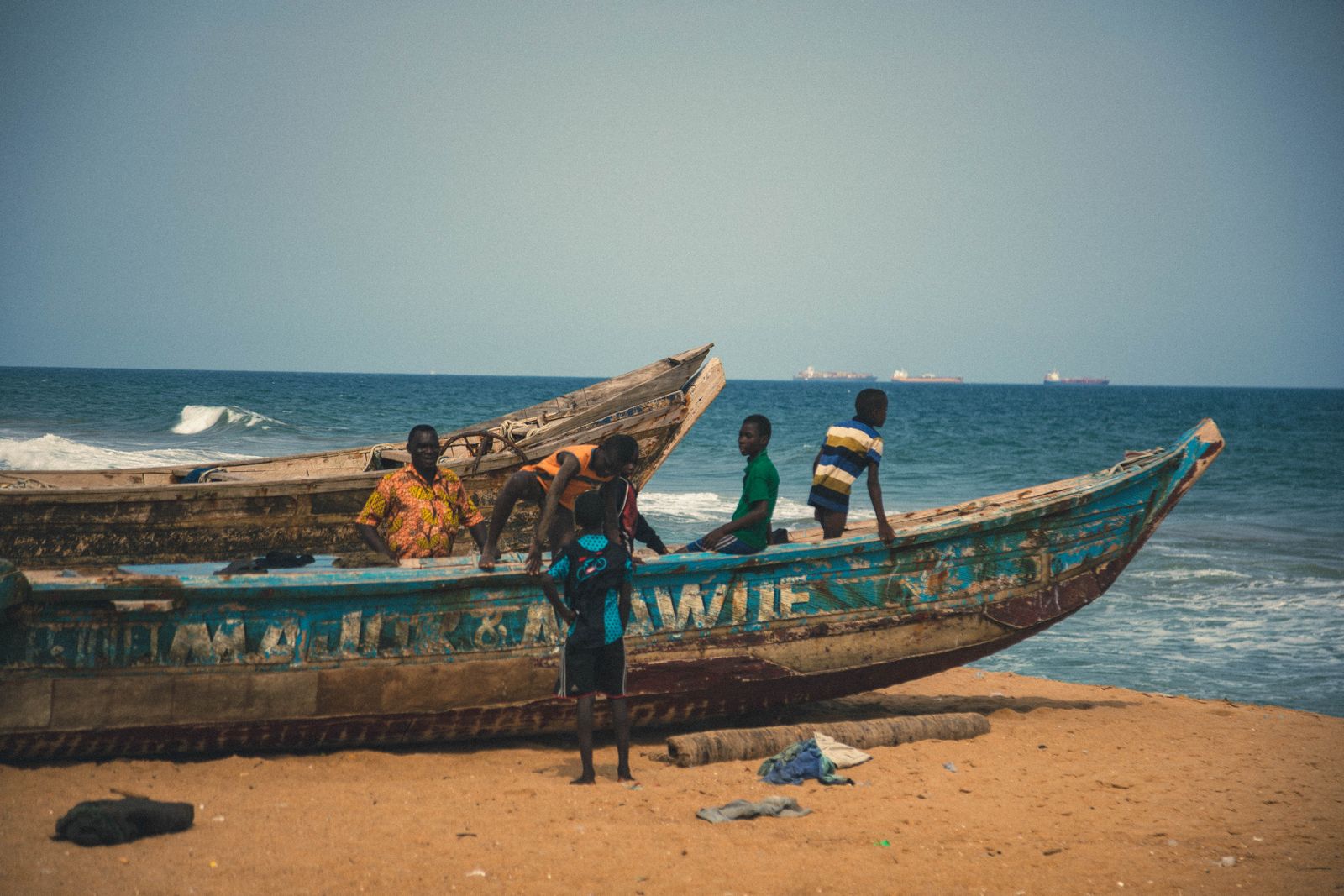
Togo is a narrow West African country running from the Gulf of Guinea deep into the northern savannas. Lomé is both the capital and the largest city, and its port gives the country a logistics role far larger than its geographic size. The territory links coastal trade, forest and plateau agriculture, central transport corridors and the Sahel-facing north.
Geography and climate
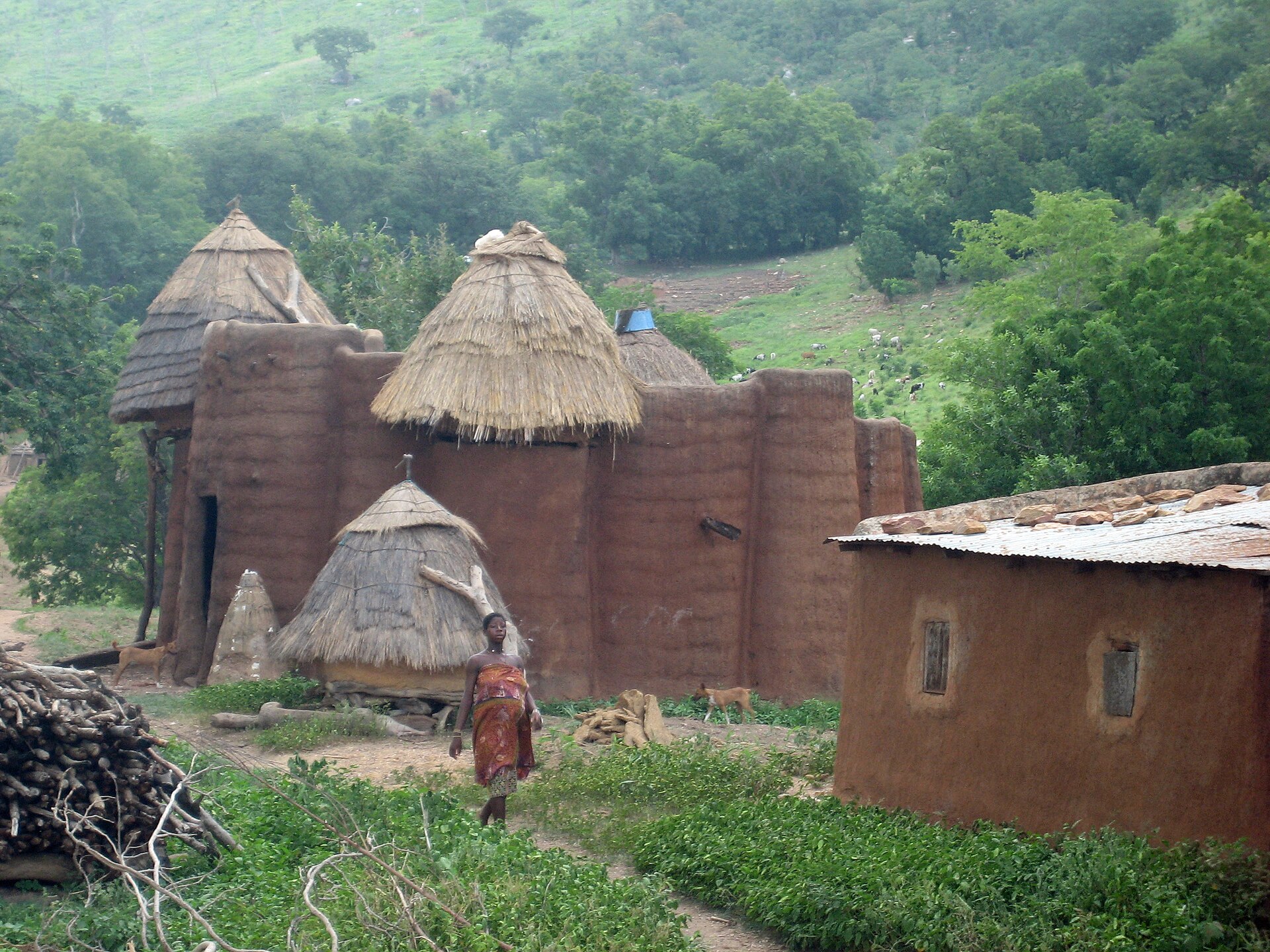
Togo extends roughly 550 to 600 kilometres from the coast to the Burkina Faso border, while remaining comparatively narrow from east to west. Its landscapes include the coastal plain and lagoons around Lomé, the southern plateau, the Togo Mountains across parts of the centre-west, central plains and drier Sudanian savannas in the north.
The climate is tropical. Southern areas generally experience a more humid rainfall pattern, while the north has a longer dry season and a more clearly Sudanian climate. This north-south variation shapes crops, settlement, water availability and regional livelihoods.

Pre-colonial societies, Togoland and independence
The territory was home to Ewe, Mina, Kabiyè, Tem/Kotokoli, Gurma, Moba, Bassar and other communities with their own political, economic and cultural structures. Southern societies participated in coastal trade networks, while northern communities were more strongly connected to inland routes and Sahelian exchange.
Germany established the Togoland protectorate in 1884. After the First World War, the colony was divided between French and British administrations. The French-administered eastern territory became independent on 27 April 1960, while the western section was integrated into the Gold Coast, which became Ghana.
People, languages and religions
Togo brings together many ethnolinguistic communities. Ewe and Mina populations are particularly prominent in the south; Kabiyè and Tem are important in the north and centre-north; Moba, Gourma and other communities have strong roots in the north. Internal migration and cross-border trade reinforce links between regions.
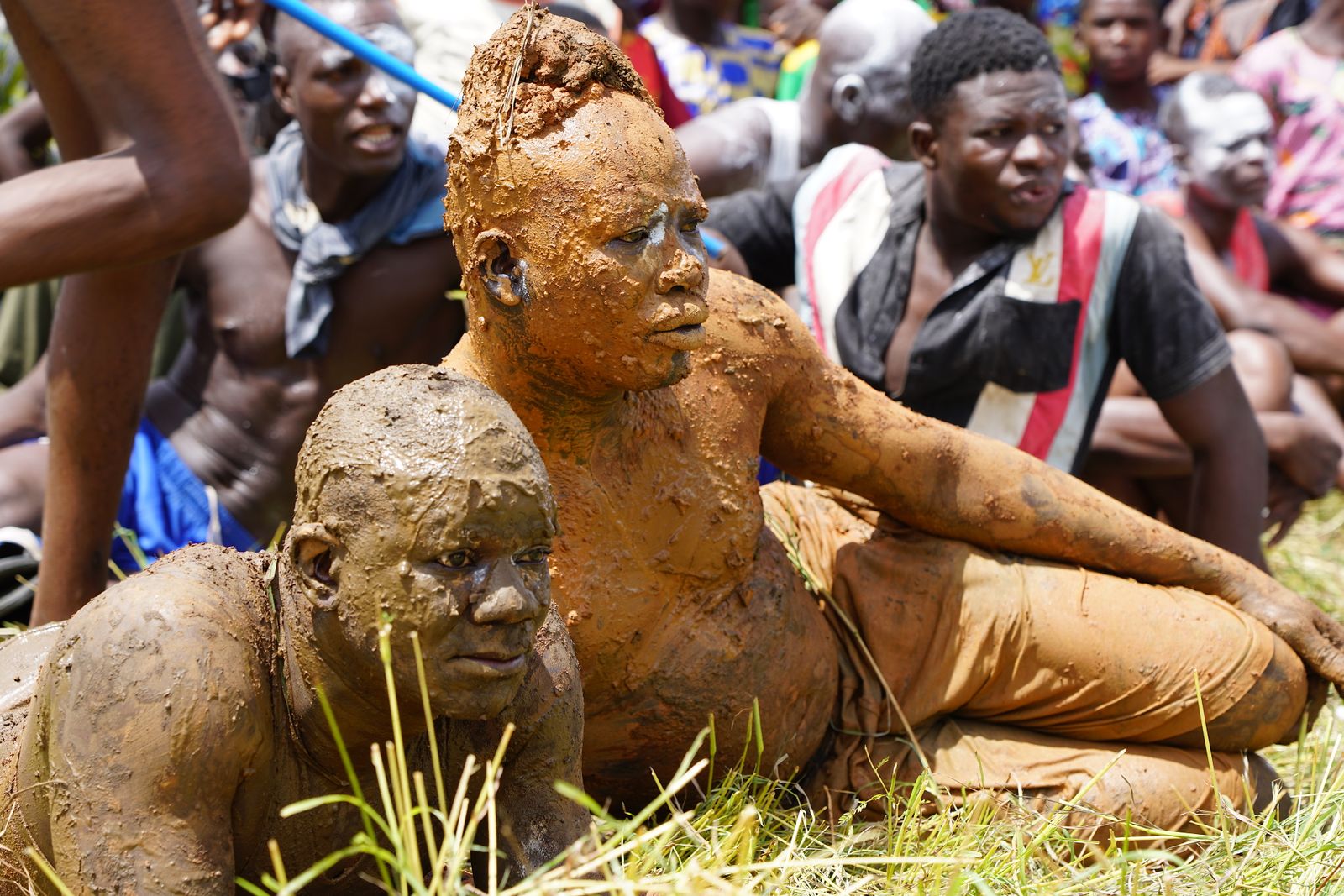
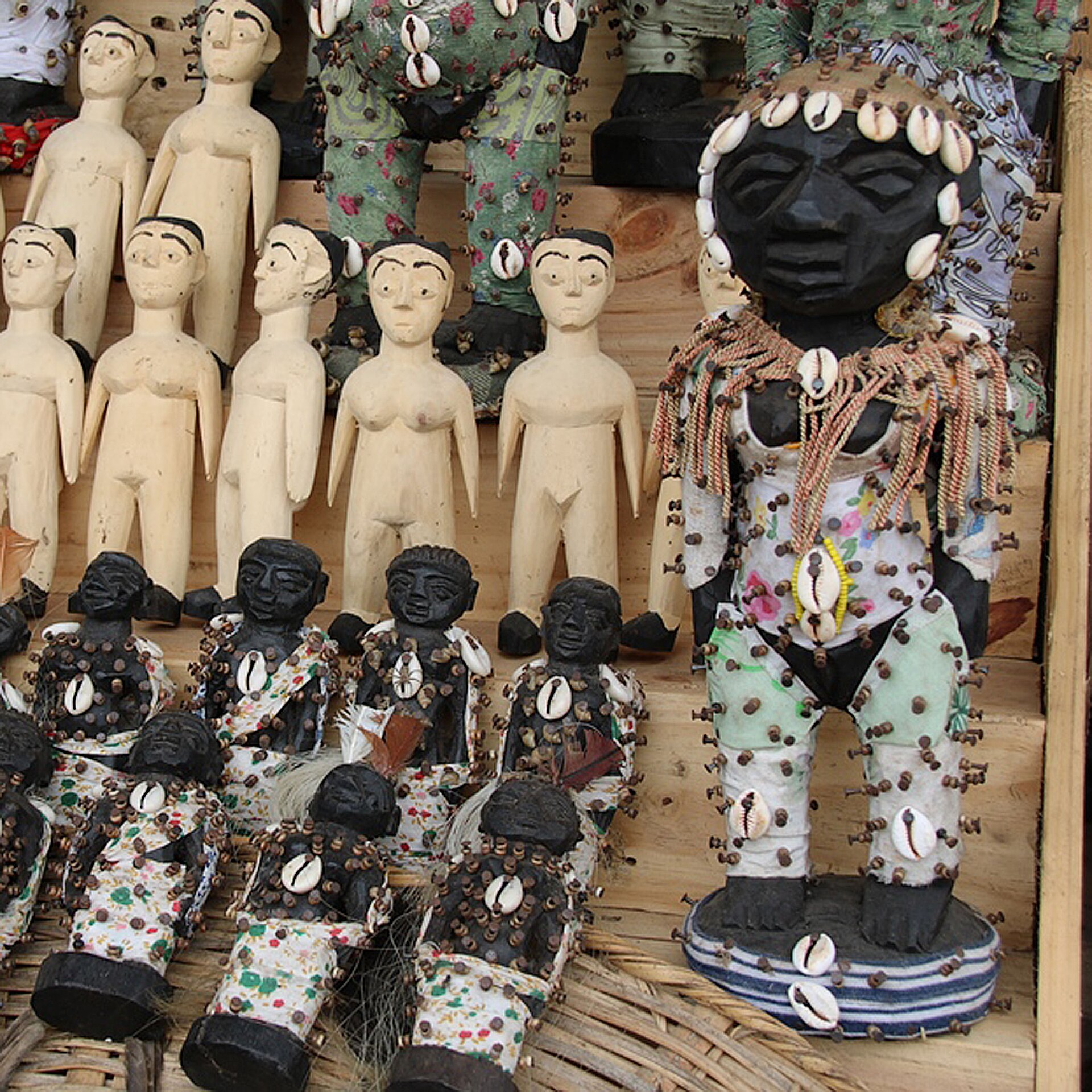
French is the official language, while Ewe and Kabiyè are nationally recognised languages. Mina, Tem and many other languages are widely used in daily life. Christianity is widespread, Islam has a significant presence, especially in northern and commercial communities, and indigenous religious traditions, including Vodun-related practices in the south, remain culturally important.
Economy, logistics and the Port of Lomé
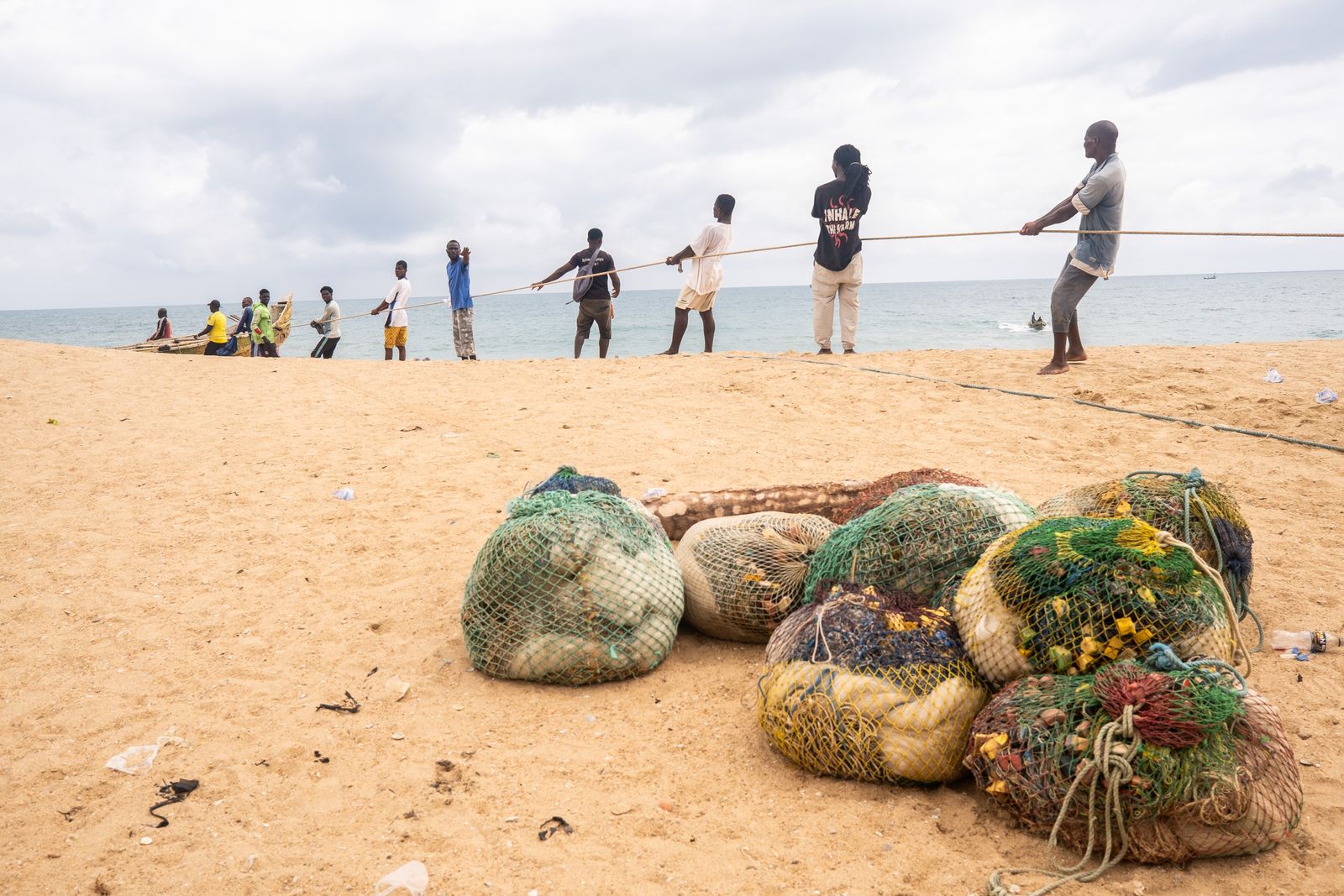
Togo’s economy combines agriculture, commercial transit, port services, telecommunications, light industry and mineral production. The Port of Lomé is the country’s strategic economic engine, handling national cargo and transit traffic serving Burkina Faso, Niger and other inland markets.
This logistics position gives Togo an outsized role in regional supply chains. Roads running north from Lomé connect the coast to the interior and the Sahel, while the capital concentrates banking, services, administration, industry and much of the country’s urban growth.
Cities and infrastructure
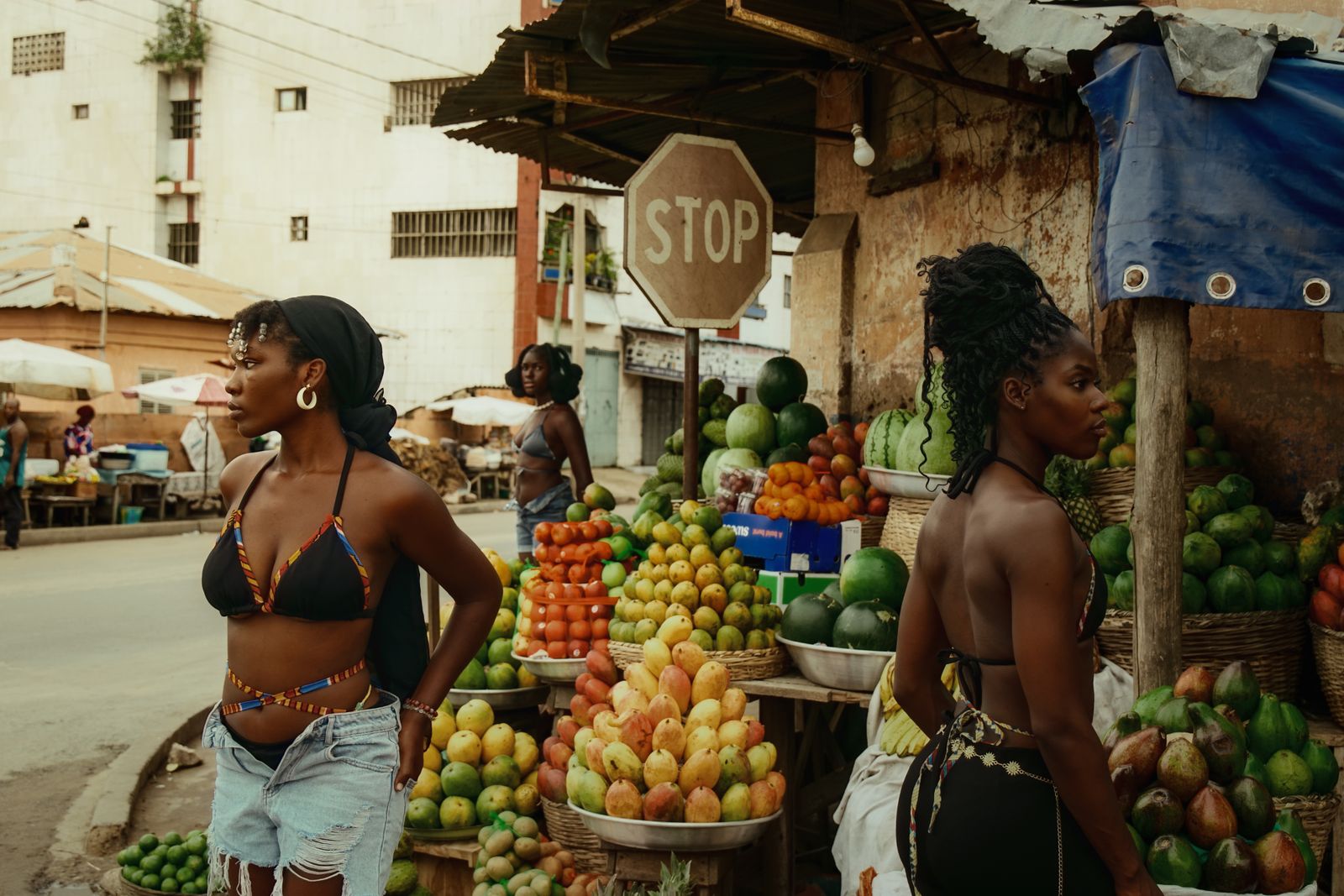
Lomé is the political, administrative and economic centre. Its port, airport, universities, commercial districts and industrial activity make it the country’s principal international gateway. Kara is a major northern centre, Sokodé a key commercial crossroads, and Kpalimé is closely associated with agriculture, craft traditions and the nearby highland landscape.
Other important towns include Atakpamé, Tsévié, Dapaong, Mango and Aneho. Infrastructure priorities include secondary roads, water, sanitation, electricity, telecommunications and urban resilience.

Agriculture, phosphate and energy
Agriculture remains a major employer. Maize, cassava, yam, rice, sorghum, millet, beans and groundnuts are important food crops, while coffee, cocoa, cotton and oil palm are among the major commercial crops. Climate exposure, soil erosion, land pressure, limited irrigation and financing constraints remain important challenges.
Phosphate is historically one of Togo’s most important mineral resources. Limestone supports the cement industry, and the country also has other mineral and construction resources. Electricity supply increasingly combines regional imports, thermal capacity and solar or renewable projects.
Cuisine
Togolese cuisine is built around maize, cassava, yam, rice, beans, leafy vegetables, groundnuts, chilli, fish and meat. Common preparations include maize paste, fufu, akoumé, ablo, djenkoumé, ayimolou, grilled or fried chicken and fish, and sauces based on groundnuts, okra, tomato or greens.
Culture, music and contemporary style
Togo’s cultural identity is expressed through music, drumming, dance, textiles, sculpture, ceremonies, oral traditions and diverse local religious practices. Lomé also supports a contemporary scene spanning fashion, visual art and popular music, while regional traditions remain strong throughout the country.
Education, health and regional role
Higher education is anchored by institutions in Lomé and Kara. Education and health systems face familiar regional challenges including unequal rural access, malaria, maternal and child health needs, clean water and the availability of medical infrastructure outside major urban centres.
Togo’s regional importance comes from its transport corridor and coastal access. Relations with Benin, Ghana and Burkina Faso combine trade, migration, shared cultural zones and logistics. Lomé and Cotonou also function as neighbouring port gateways serving overlapping inland markets.
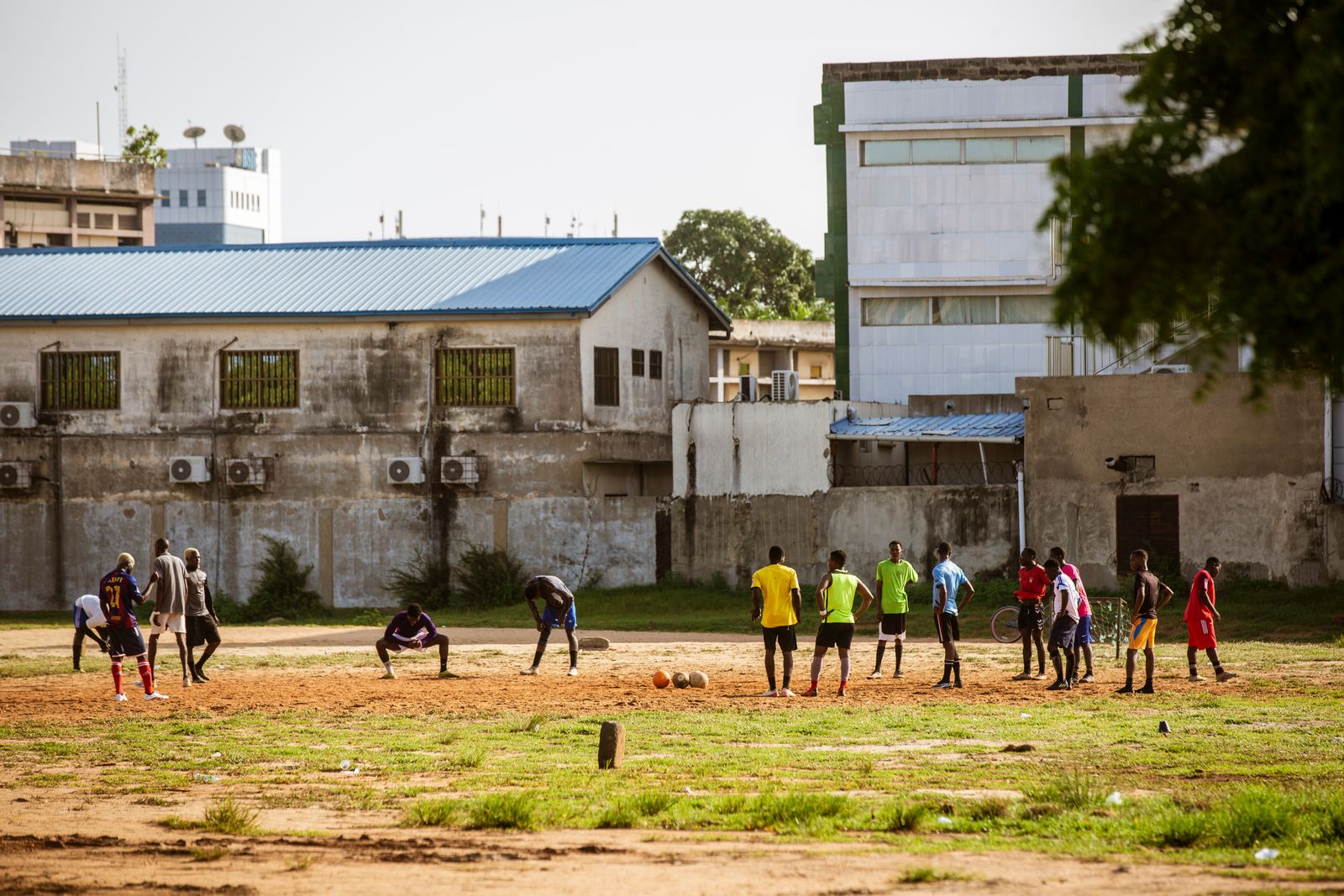
Togo in pictures