Tunisia at a glance
Tunisia is a North African Mediterranean country linking the Maghreb, the Arab world, Africa and Europe. Its landscapes range from fertile northern mountains and the Cap Bon peninsula to central steppes, olive-growing plains, salt lakes, oases and the Sahara. Tunis is the capital and largest city.

Mediterranean geography, desert and water
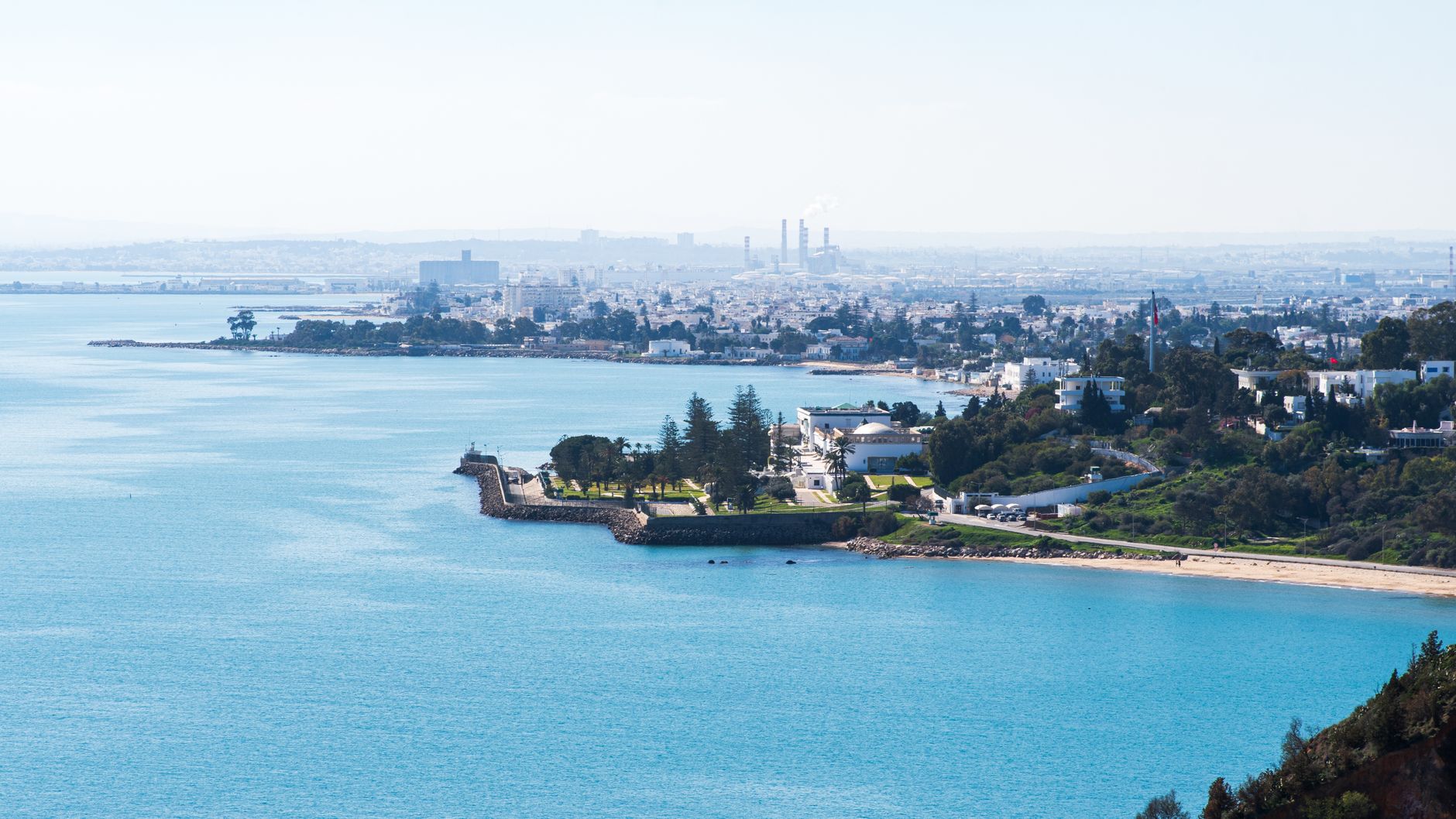
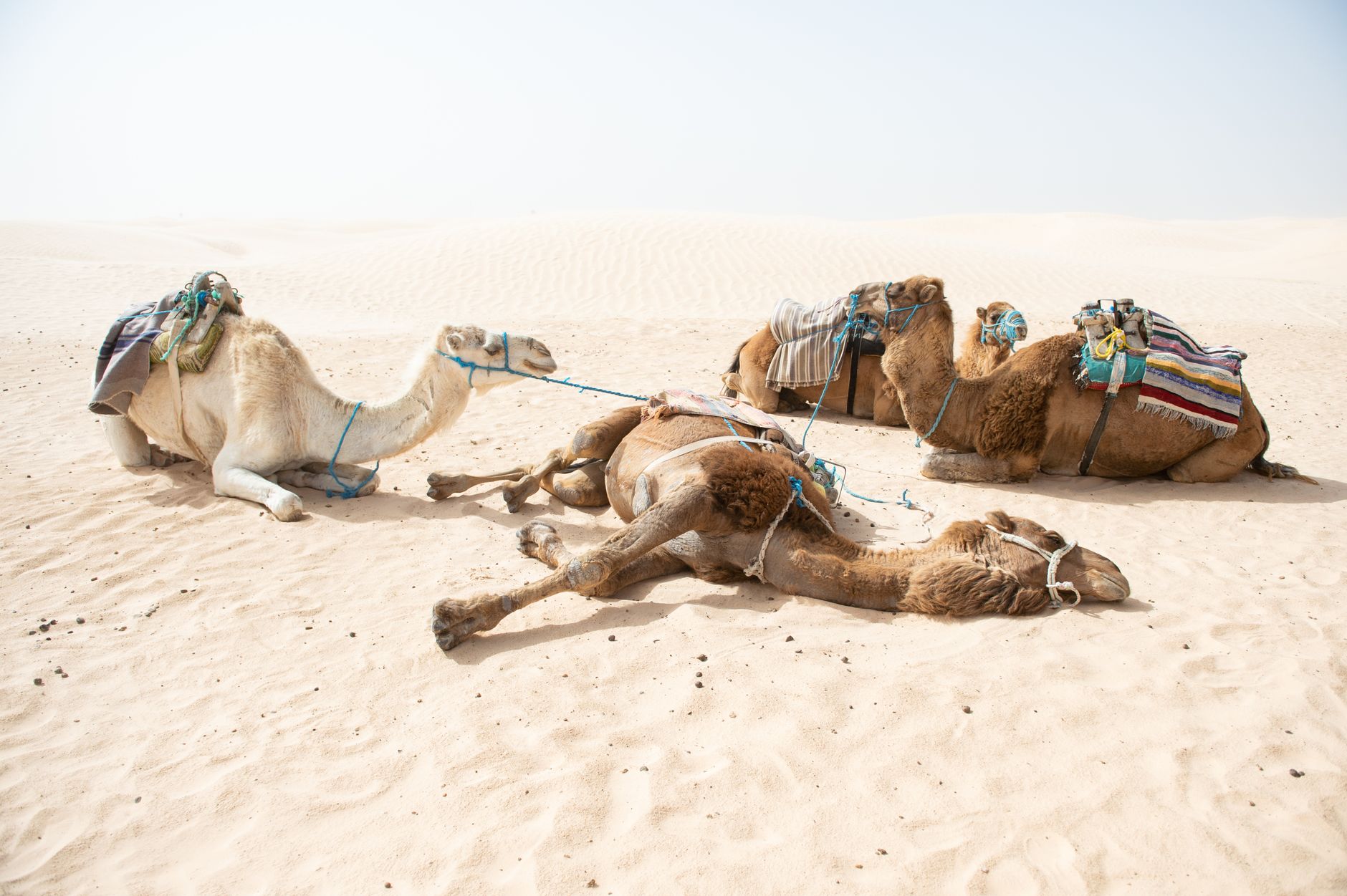
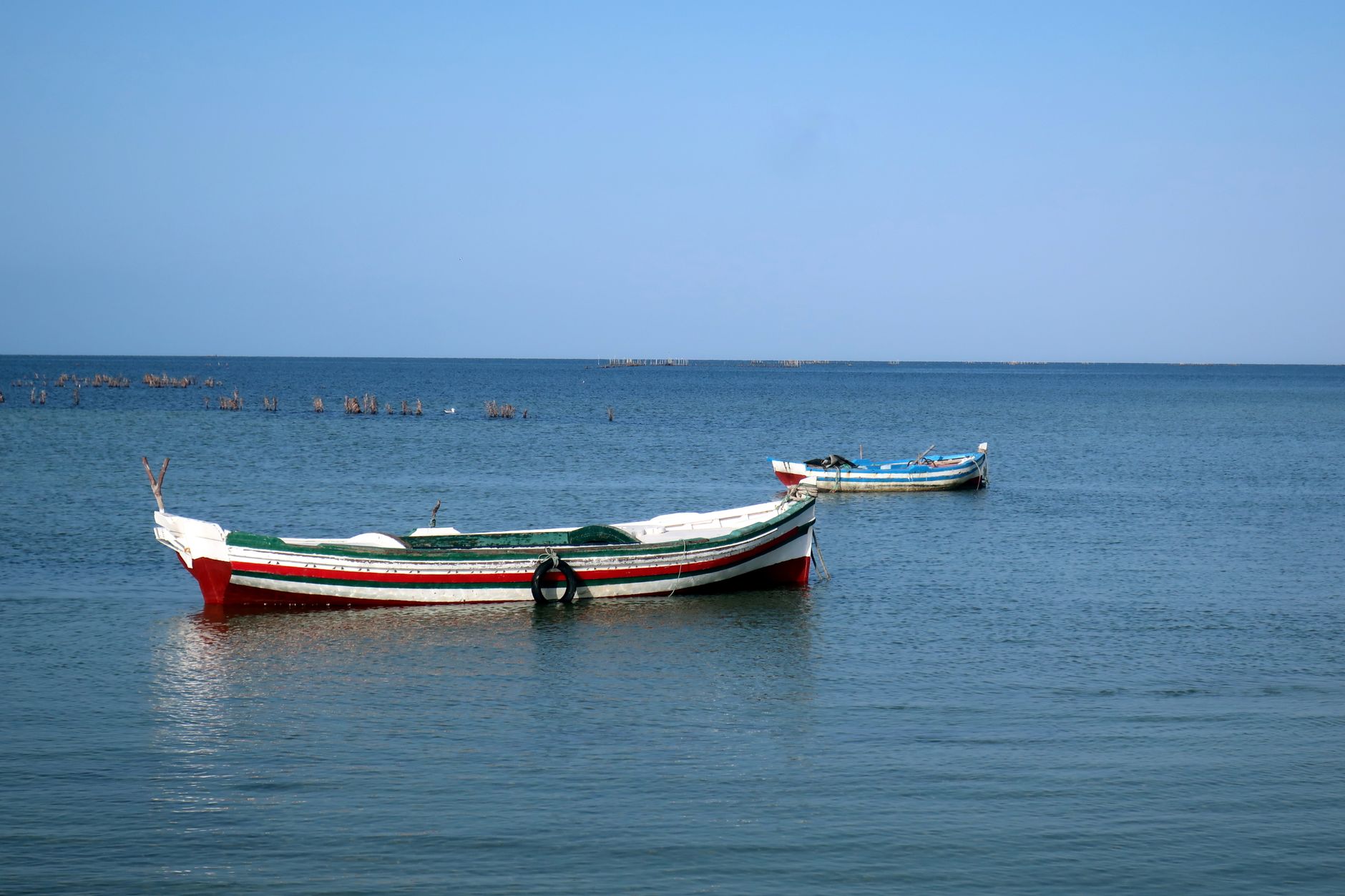
Northern Tunisia has Mediterranean rainfall, mountain ranges, fertile valleys and the Medjerda River. Cap Bon and the Gulf of Tunis form a densely settled coastal zone. Central Tunisia becomes drier, with steppes and major olive-growing areas around Sfax and the Sahel, while the south includes chotts, oases and Sahara landscapes.
Water scarcity is one of the country’s central structural challenges. Drought, declining aquifers, salinisation and extreme heat affect households, farming, industry and tourism, making water management and climate adaptation increasingly important.

Carthage, Rome, Arab-Islamic dynasties and Ottoman heritage
Ancient Carthage made the region one of the great powers of the Mediterranean before its defeat by Rome. Under Roman rule, the province became a major agricultural and urban centre. Later centuries brought Byzantine, Arab-Islamic, Aghlabid, Fatimid, Hafsid and Ottoman influences.
Kairouan became an important centre of Islamic learning and architecture, while Tunis developed as a political and commercial capital. These successive layers remain visible in archaeological sites, medinas, mosques, urban forms and craft traditions.

French protectorate and independence
Tunisia became a French protectorate in 1881. Nationalist movements expanded during the twentieth century, and the country gained independence on 20 March 1956. The post-independence state invested heavily in education, health, public administration and women’s legal rights while building a modern centralised economy.

People, languages and cultural identity
The population is predominantly Arabic-speaking, with Tunisian Arabic — derja — used in everyday life and Standard Arabic in formal contexts. French remains important in education, business, science, tourism and administration, while Amazigh/Tamazight traditions survive in several communities.
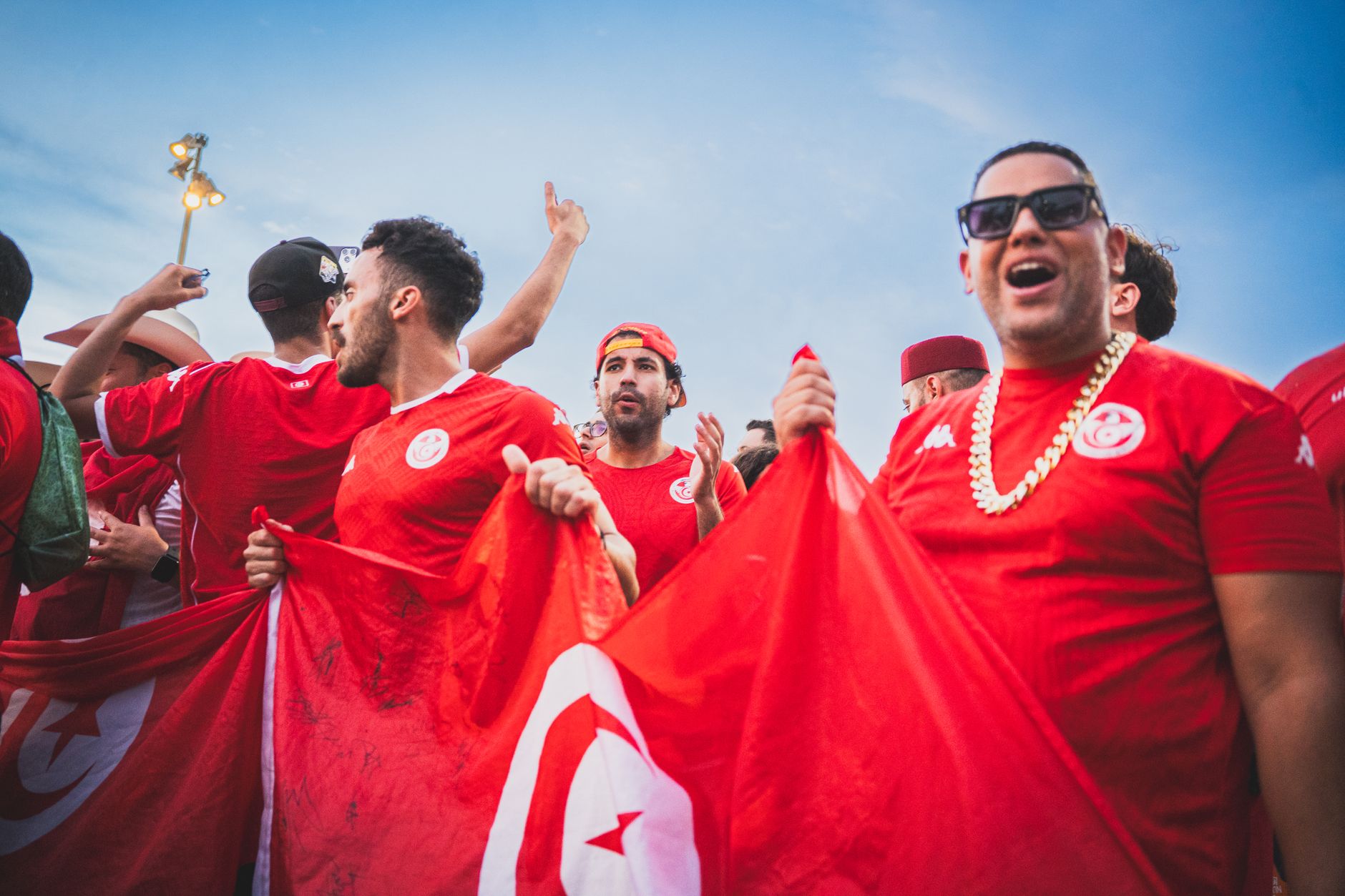
Tunisia’s identity combines Arab, Amazigh, Mediterranean, African, Islamic and European influences. Jewish heritage, particularly on Djerba, is also an important part of the country’s historical diversity.
Industry, services and Mediterranean trade
Tunisia has a diversified economy with manufacturing, tourism, agriculture, services, information technology and export industries closely connected to European markets. Automotive components, electrical equipment, textiles, mechanical industries, pharmaceuticals and food processing are important sectors.
The ports of Tunis-Radès, Sfax, Bizerte and other coastal cities connect the country to Mediterranean supply chains. The large Tunis metropolitan area concentrates finance, universities, technology firms, administration and cultural institutions.
Agriculture, olive oil and oases
Olive cultivation is one of Tunisia’s defining agricultural sectors, alongside cereals, dates, citrus fruit, vegetables and livestock. Southern oasis systems support date production, while the north contains the country’s most productive cereal zones. Water scarcity and climate variability make irrigation efficiency and drought resilience critical.
Cities, boulevards and urban life
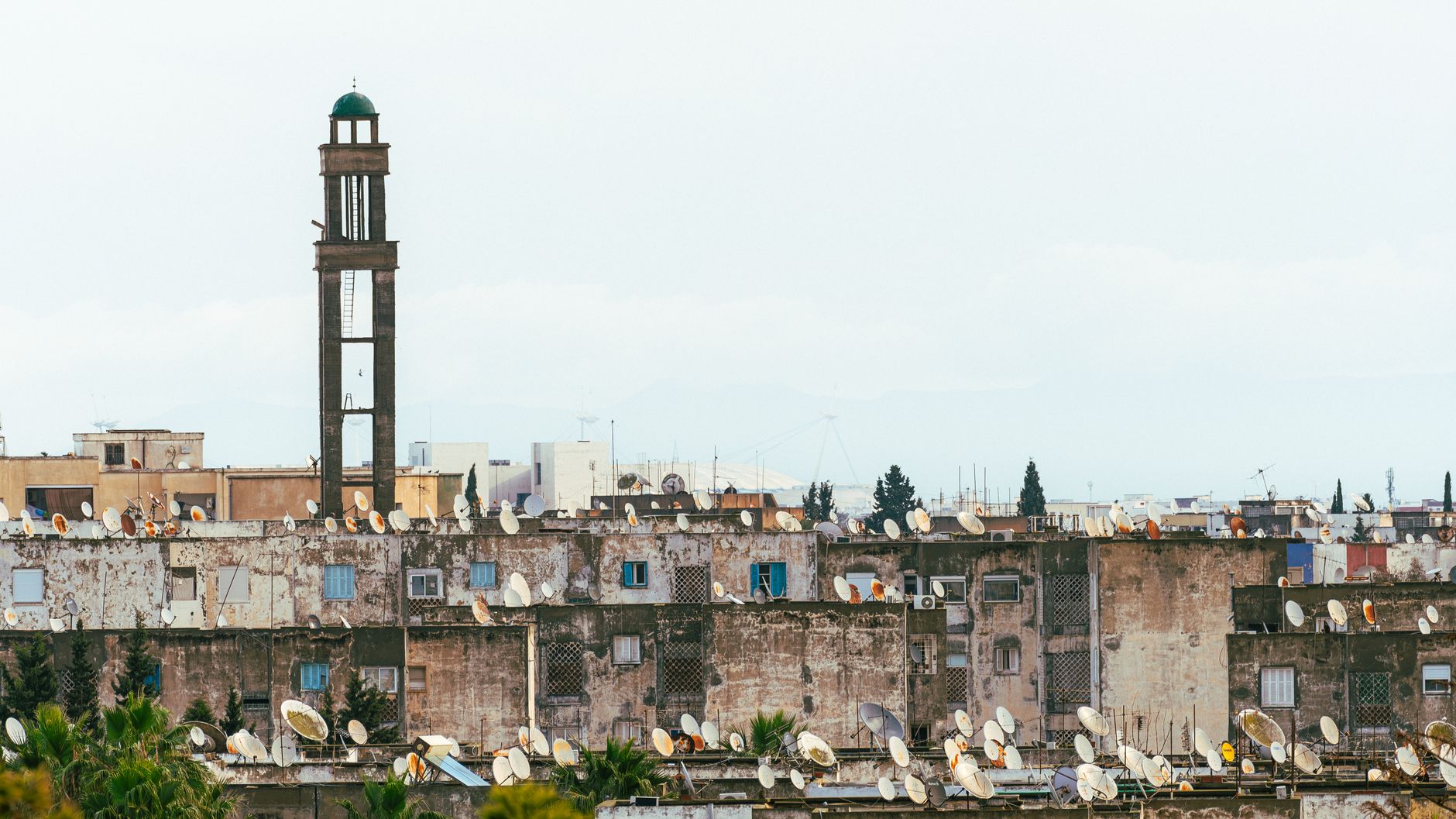
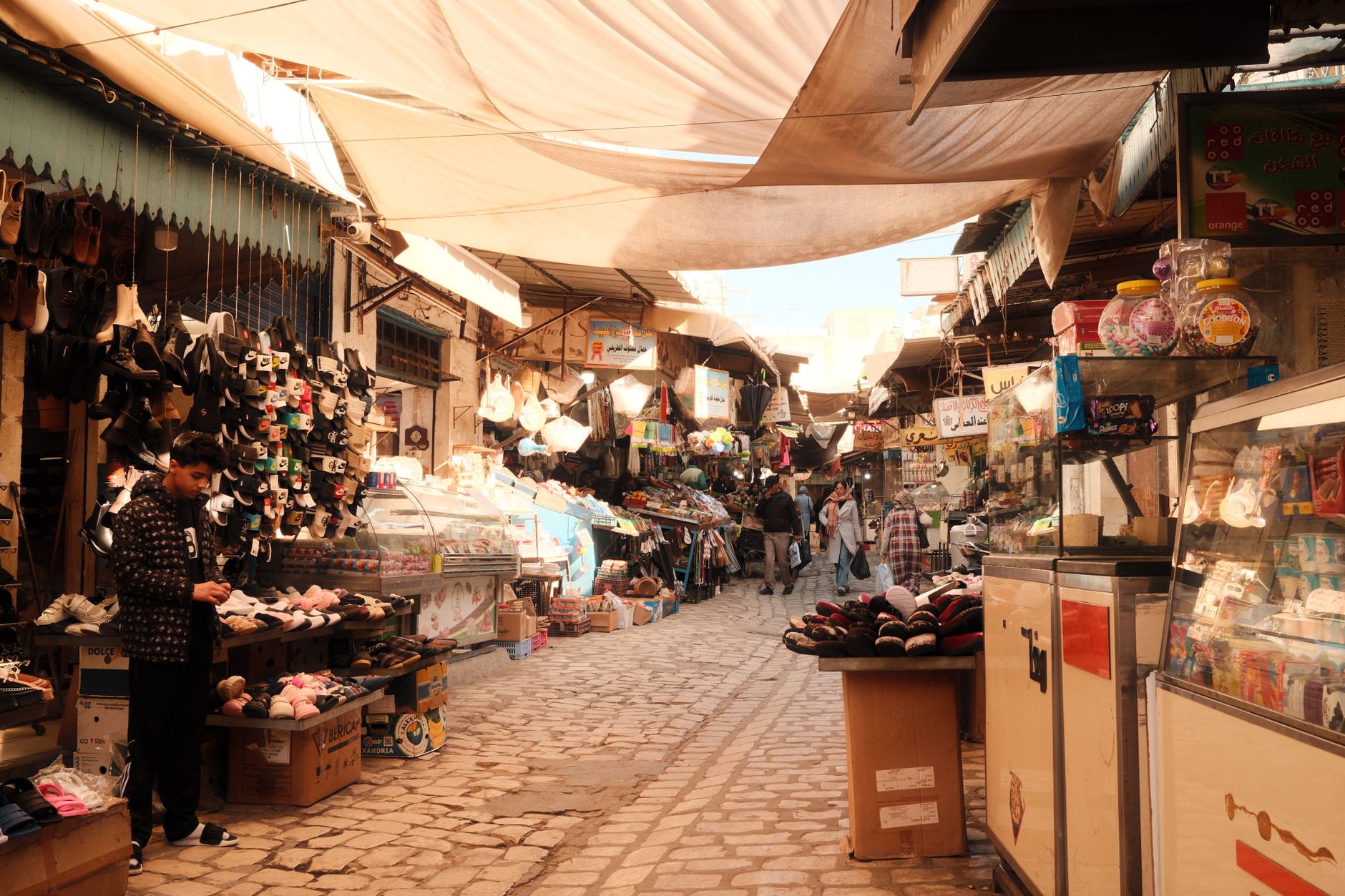
Tunis is the political and economic centre, combining a historic medina with modern business districts. Sfax is an industrial and port city; Sousse is a major tourism and services centre; Bizerte, Kairouan, Gabès, Monastir, Nabeul and Djerba each have distinctive regional roles.
Cuisine and hospitality
Tunisian cuisine is known for couscous, brik, harissa, mechouia salad, seafood, lamb, olive oil, chickpeas, tomatoes, peppers and regional date-based preparations. Coastal cities emphasise fish and seafood, while inland and southern cuisines reflect pastoral and oasis traditions.
Culture, design and heritage
Tunisia’s cultural landscape includes the medinas of Tunis, Sousse and Kairouan, ancient Carthage, Roman sites such as El Jem, white-and-blue coastal architecture, ceramics, weaving, metalwork, music, literature, cinema and contemporary design.
The combination of heritage, Mediterranean landscapes and modern urban culture gives Tunisia a distinctive visual identity that is central to tourism and the creative economy.
Education, health and Mediterranean position
Tunisia built strong education and public-health systems after independence, although unemployment, regional inequality and fiscal pressures remain important challenges. Its proximity to Europe makes trade, energy links, tourism, maritime transport and migration central to its regional role.
Tunisia in pictures