Uganda at a glance
Uganda is a landlocked East African country at the heart of the Great Lakes and Nile systems. Its landscapes include the Lake Victoria basin, high plateaus, western lakes and savannas, the Rwenzori Mountains and the drier north. Kampala is the capital and largest city, while Entebbe, Jinja, Mbarara, Gulu and other regional centres play major economic and transport roles.
Lakes, mountains and the Nile
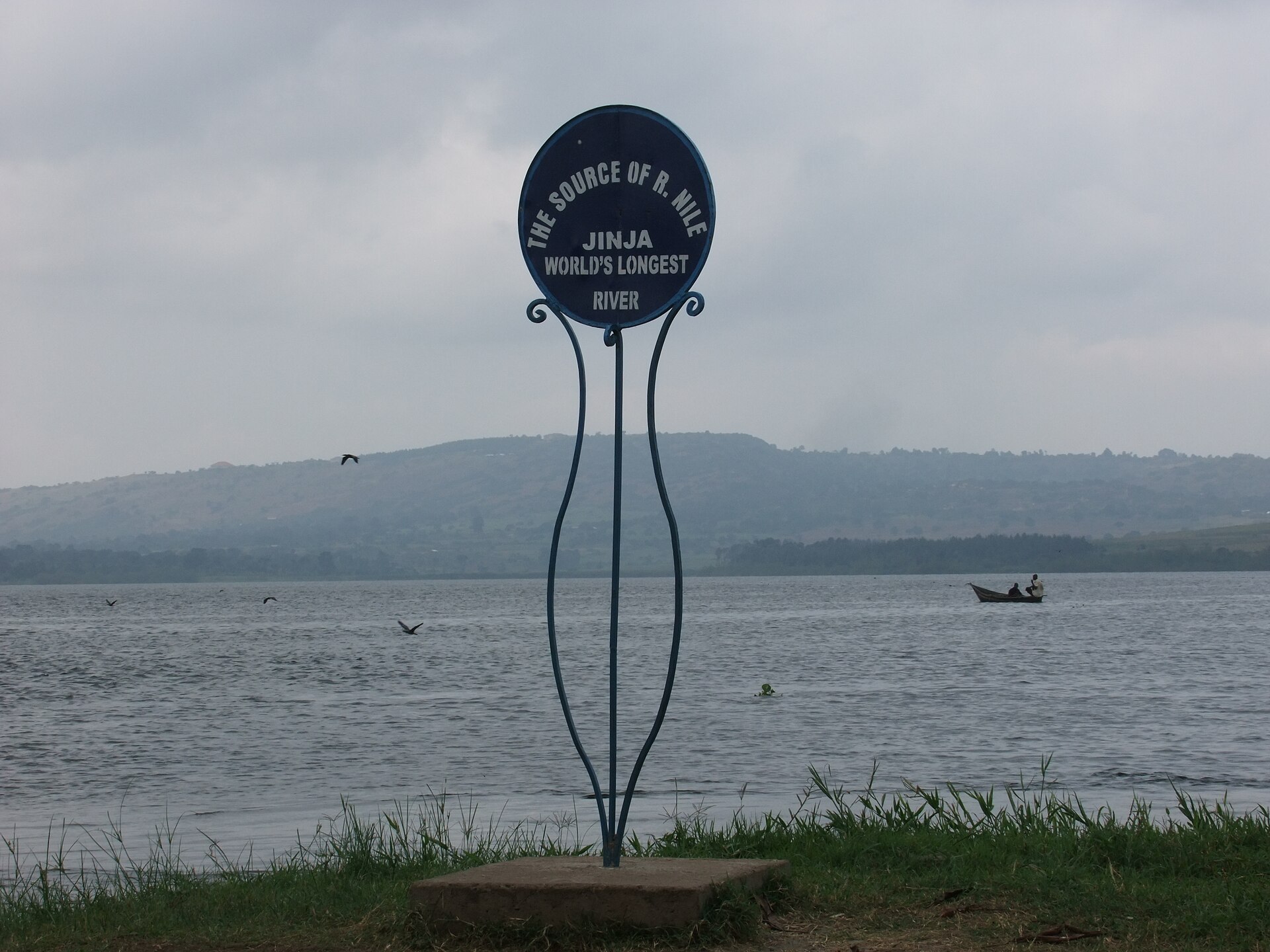
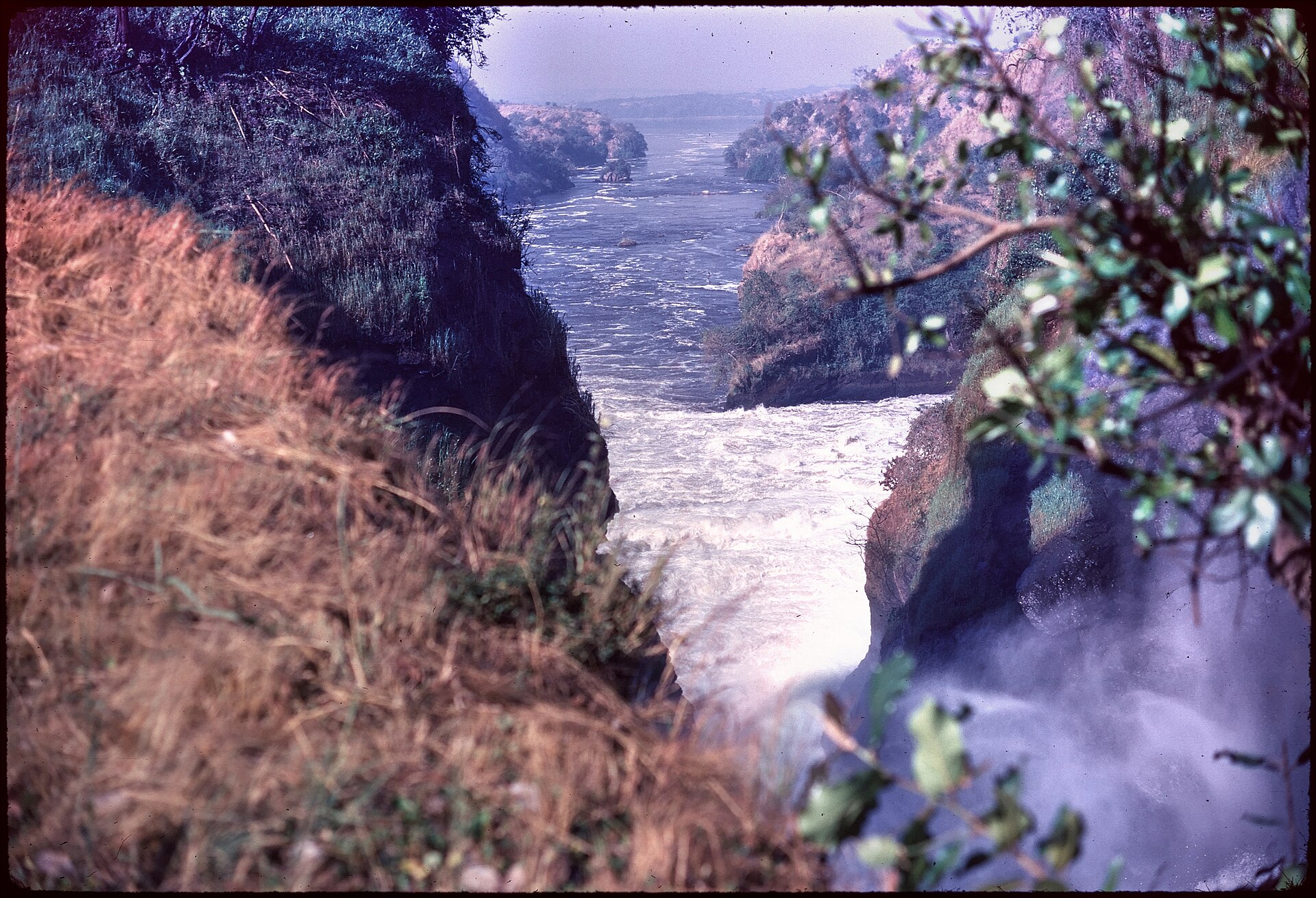
Uganda lies on the East African plateau and contains a remarkable concentration of lakes and highlands. Lake Victoria dominates the south; Lake Albert, Edward, George and Kyoga form major water systems; the Rwenzori Mountains rise along the western border; and Mount Elgon shapes the east.
The White Nile flows from the Lake Victoria system northward through the country. Lakes and rivers support fisheries, hydropower, transport, agriculture and tourism, but face pressure from pollution, soil erosion, wetland loss and rapid urbanisation.
Kingdoms, protectorate and independence
Before colonial rule, the region contained major kingdoms including Buganda, Bunyoro, Ankole, Toro and Busoga, alongside many other societies. Buganda was especially influential around the northern shores of Lake Victoria and gave its name to the modern country.
Britain established the Uganda Protectorate in the late nineteenth century. Independence came on 9 October 1962. The following decades included major political upheaval, including the rule of Idi Amin, conflict with Tanzania and later civil war before a new political order consolidated from the mid-1980s.

People, languages and traditional institutions
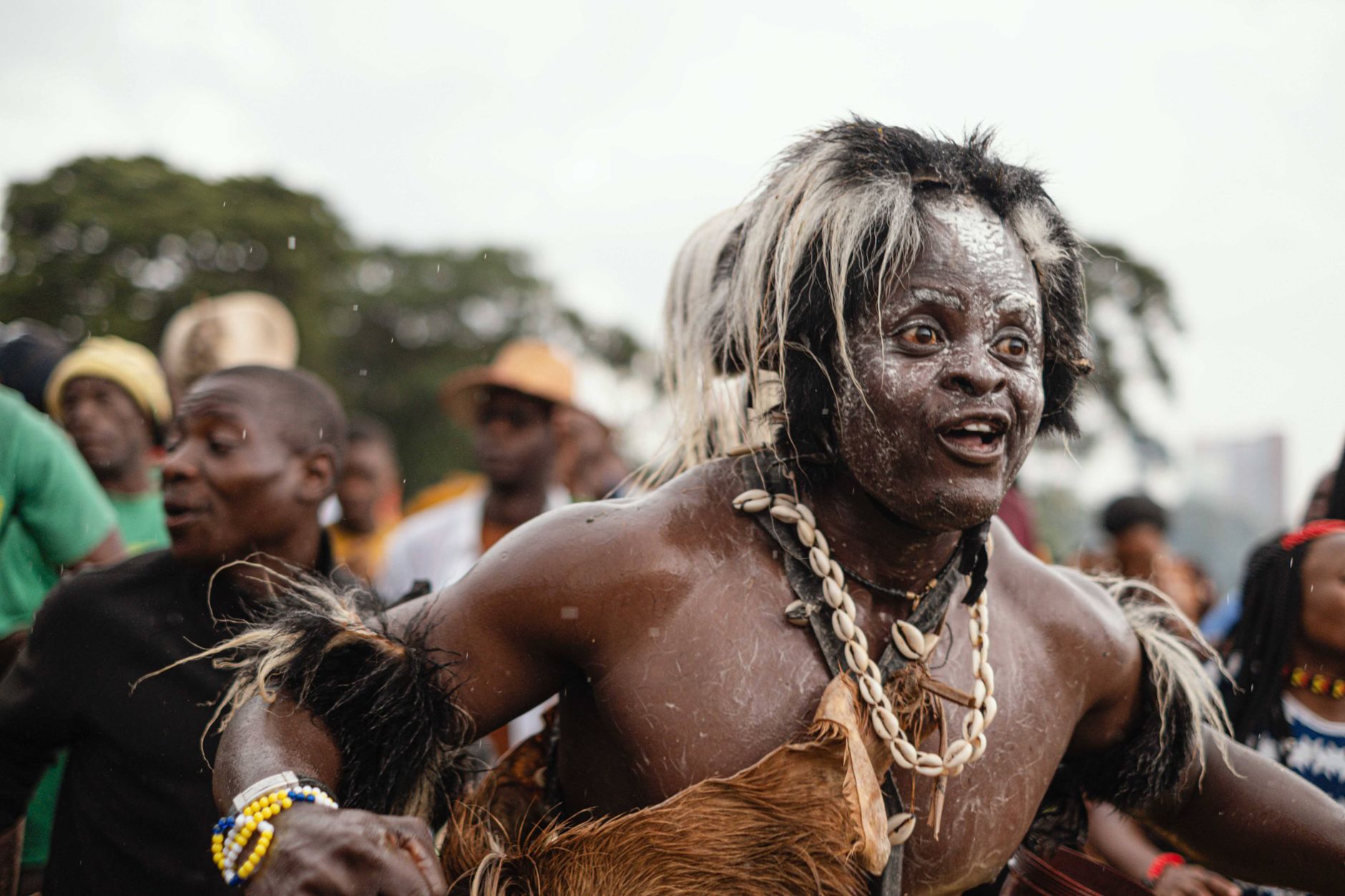
Uganda is ethnolinguistically diverse. Baganda communities are prominent in the central region; Banyankole, Bakiga, Bunyoro and Toro communities are important in the west; Basoga and Bagisu in the east; and Acholi, Langi, Iteso, Lugbara and Karamojong communities in northern regions.
English and Swahili are official languages. Luganda is widely used in Kampala and central Uganda, while dozens of regional languages remain central to identity and local media. Traditional kingdoms, particularly Buganda, continue to hold important cultural and symbolic roles.
Kampala, Entebbe and urban infrastructure
Kampala is a rapidly growing commercial and administrative metropolis with universities, banks, technology firms, markets, construction and a large informal economy. Entebbe hosts the country’s main international airport and important institutions, while Jinja is historically associated with industry and the Nile.
As a landlocked country, Uganda relies heavily on road and rail corridors toward Kenya and Tanzania and on the ports of Mombasa and Dar es Salaam. Energy, highways, logistics and urban mass transport remain central infrastructure priorities.

Agriculture and food systems
Agriculture remains a major source of employment. Plantain bananas, maize, cassava, beans, sweet potatoes, millet, sorghum, rice, coffee, tea, cotton, sugarcane and tropical fruit are important crops. Coffee is one of the country’s leading agricultural exports.
Productivity depends on rainfall, land access, roads, storage, processing, financing and resilient seed systems. Rapid population growth increases pressure on farmland while also creating a large domestic food market.
Oil, energy and mineral development
Uganda has major petroleum reserves around Lake Albert. Oil development and associated pipelines and infrastructure could substantially change exports and public revenue, while creating serious environmental and social responsibilities.
Hydroelectric plants on the Nile are important to electricity supply, complemented by solar power and regional interconnections. Long-term value depends on transparent management, local skills and environmental safeguards.

Cuisine
Ugandan cuisine varies by region but frequently uses plantain bananas, cassava, maize, beans, sweet potatoes, millet, rice, vegetables and fish. Matoke, posho, rolex, luwombo, katogo and fish from the Great Lakes are among the best-known preparations.

Culture and heritage
Ugandan culture reflects royal traditions, farming and pastoral societies, oral history, music, dance and religious diversity. Buganda court traditions, regional drumming and dance, contemporary popular music, fashion and digital media all contribute to national cultural life.
Tourism, conservation and regional connections
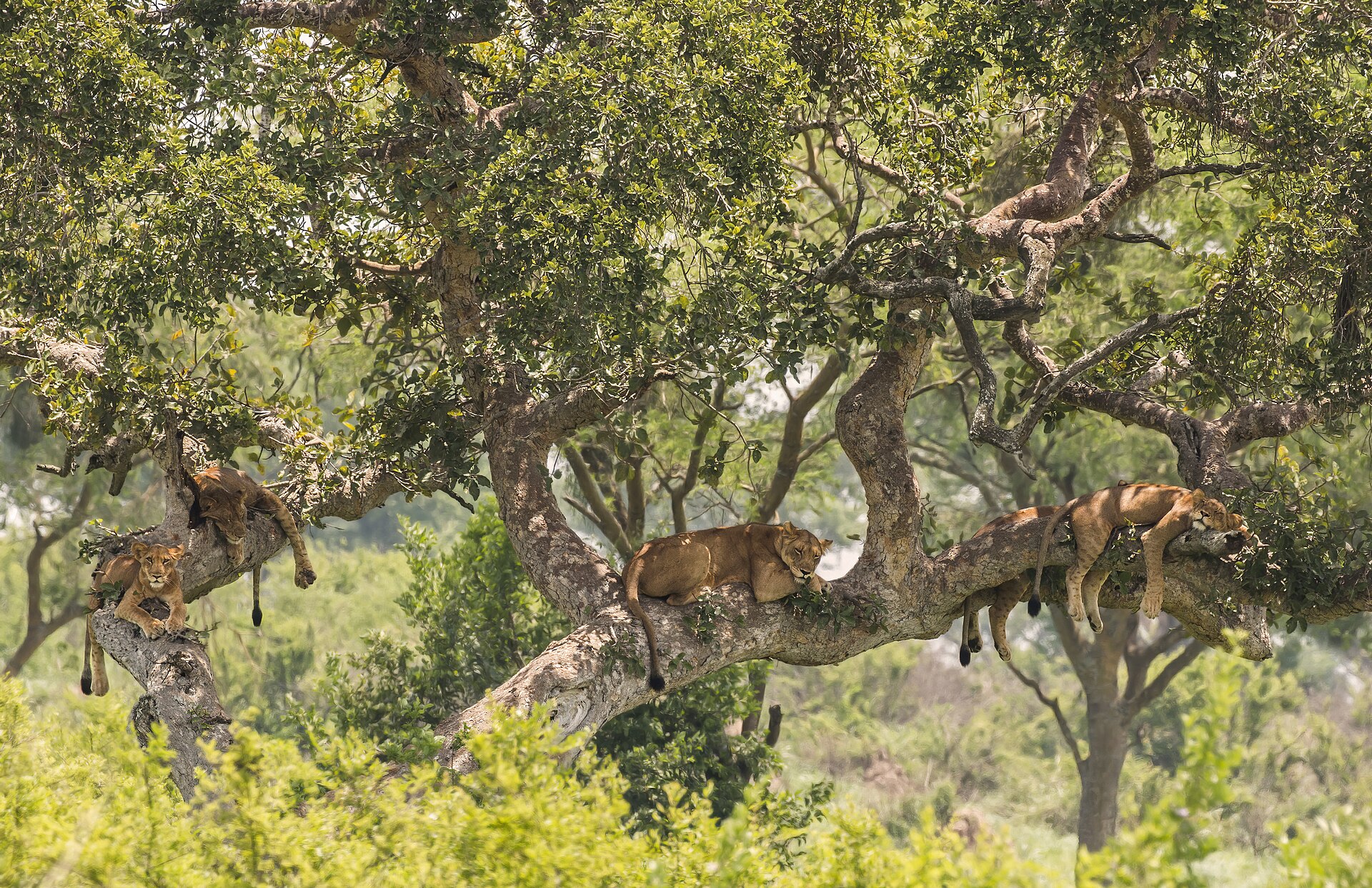
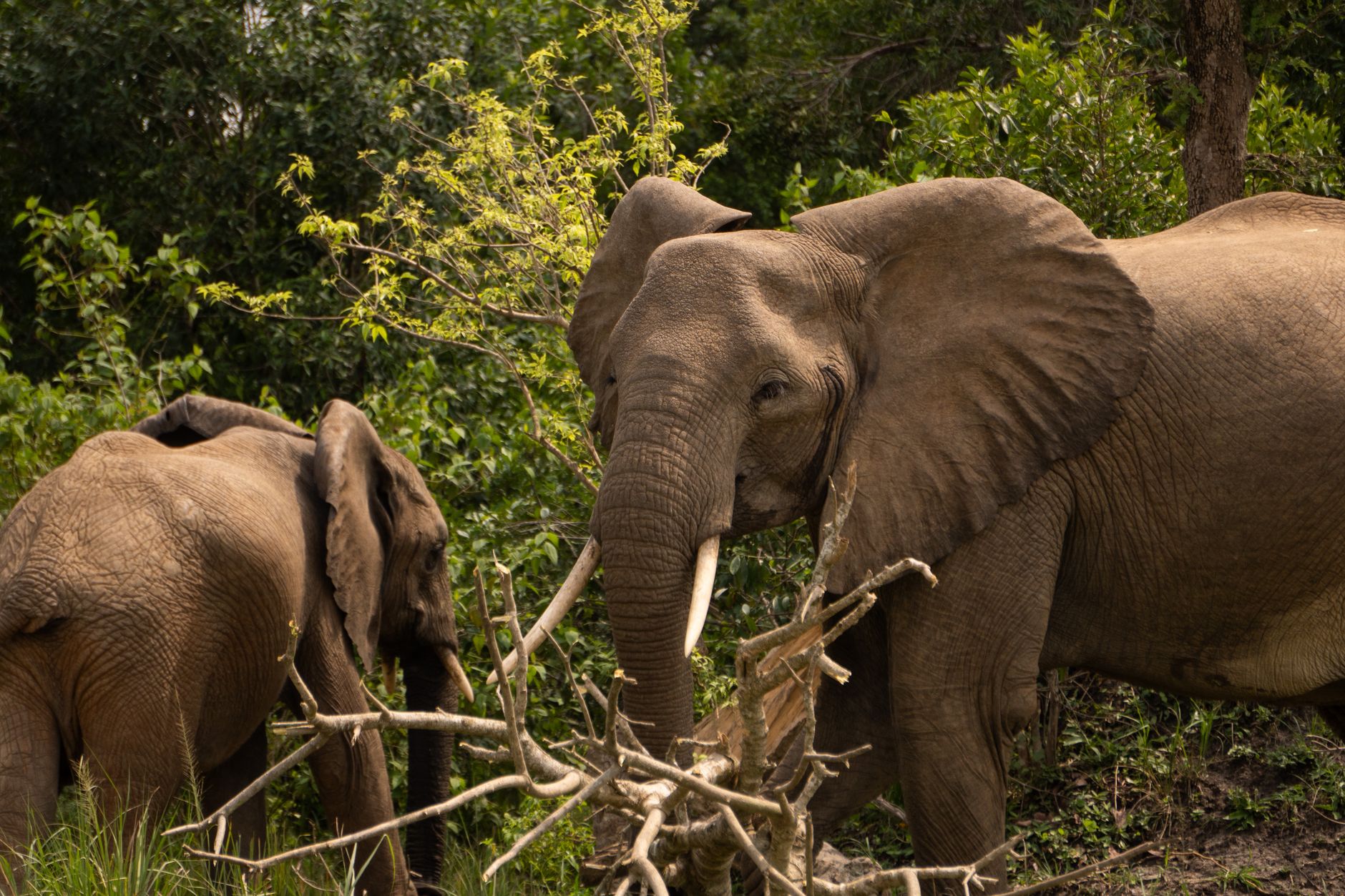
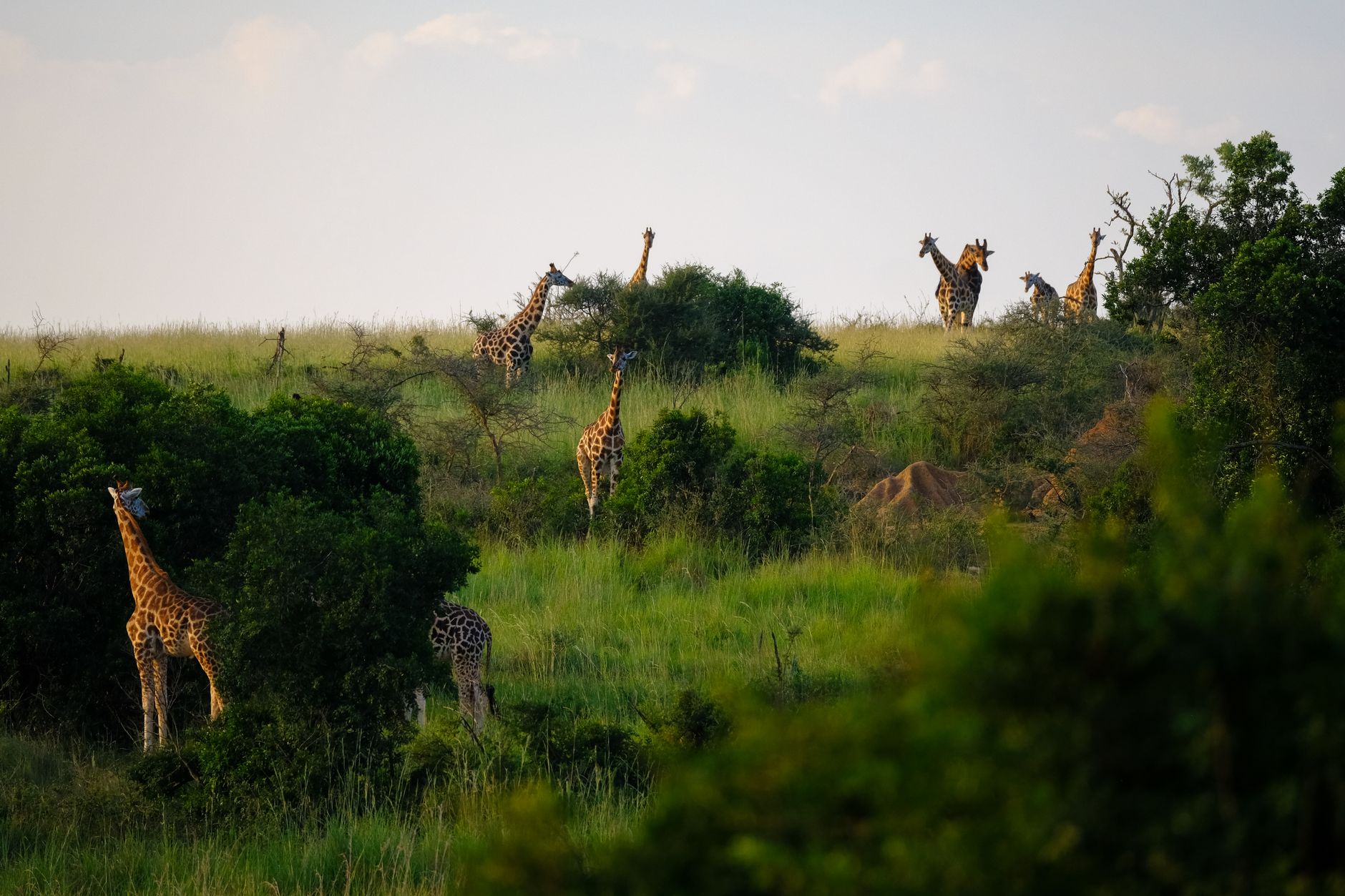
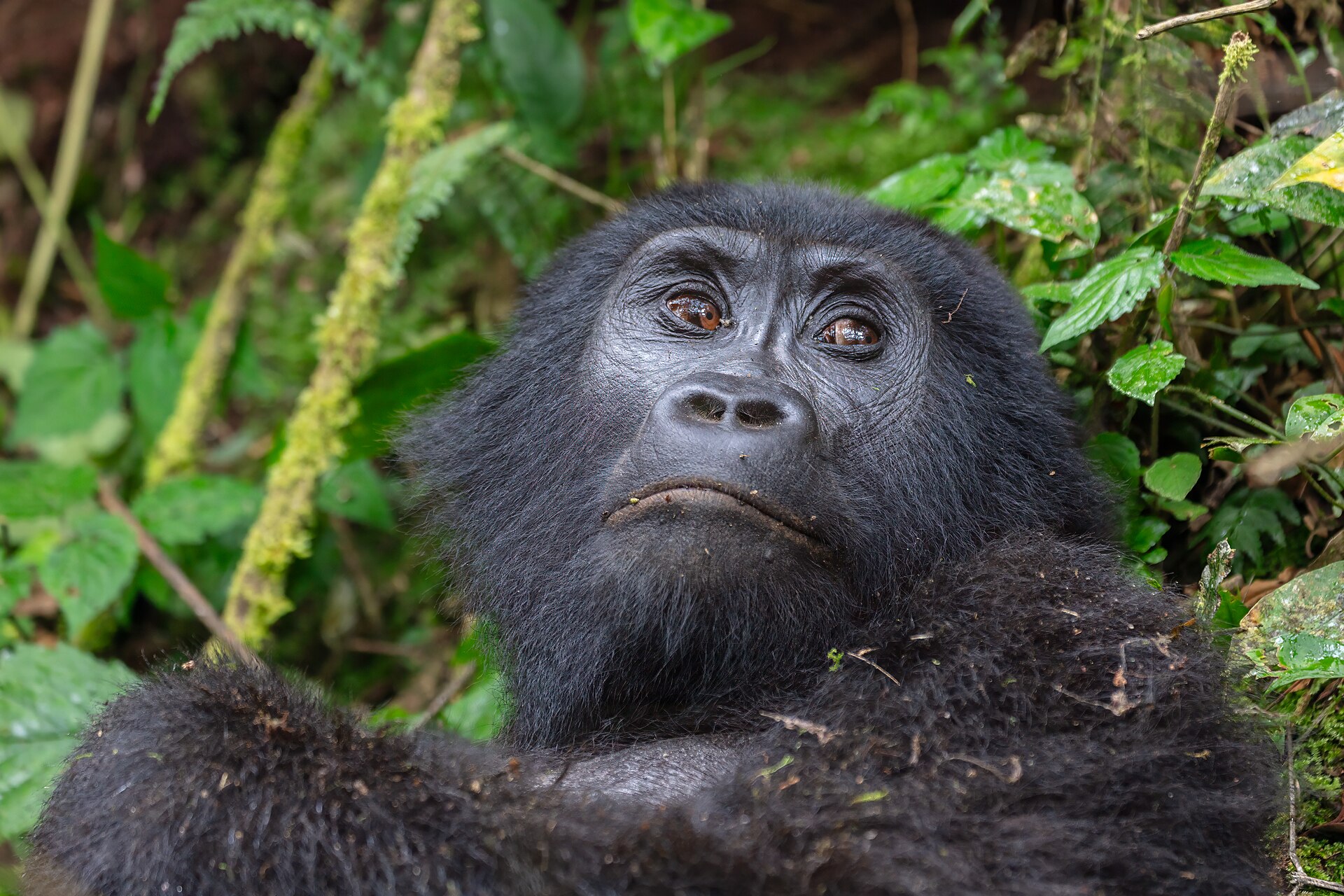
Uganda’s tourism assets include mountain landscapes, great lakes, Nile scenery, savanna parks and primate habitats. Conservation must balance tourism revenue with biodiversity protection and community benefits.
The country sits at a strategic crossroads between Kenya, Tanzania, Rwanda, the Democratic Republic of Congo and South Sudan.
Education, health and a very young population
Uganda’s youthful population creates both opportunity and pressure. Expanding secondary education, technical training, formal employment, reproductive health, malaria control, maternal care and rural health staffing is central to converting demographic growth into a long-term development advantage.
Uganda in pictures